Water Management
How to Research and Receive a Public Facility Planning Grant
Knowing what's available, where to look, and how to apply are key parts of the process
For local governments and infrastructure operators, knowing what funds are available, where to look, and how to apply is the key to receiving a public facility planning grant. With this process, as many know, project planning is one of the first and most important steps in making a public facility project a reality. Whether a community is trying to replace aging water lines, evaluate wastewater treatment options, improve stormwater systems, plan for future growth, or address public health and safety concerns, strong planning provides the foundation for successful project development.
And, as many communities know, good planning takes time, technical expertise, and funding.
Fortunately, planning grants and related funding programs are available to help public entities complete the studies, reports, and documentation often needed before a project can move into design, construction, or a larger funding application. For communities in Idaho, Montana, Oregon, Washington, Wyoming, and the surrounding areas, these resources can be a valuable first step toward turning infrastructure needs into fundable projects.
Whether you are new to the process or have pursued infrastructure funding before, it can be helpful to understand “what, where, and how” of public facility planning grants and the resources available to support your project planning.
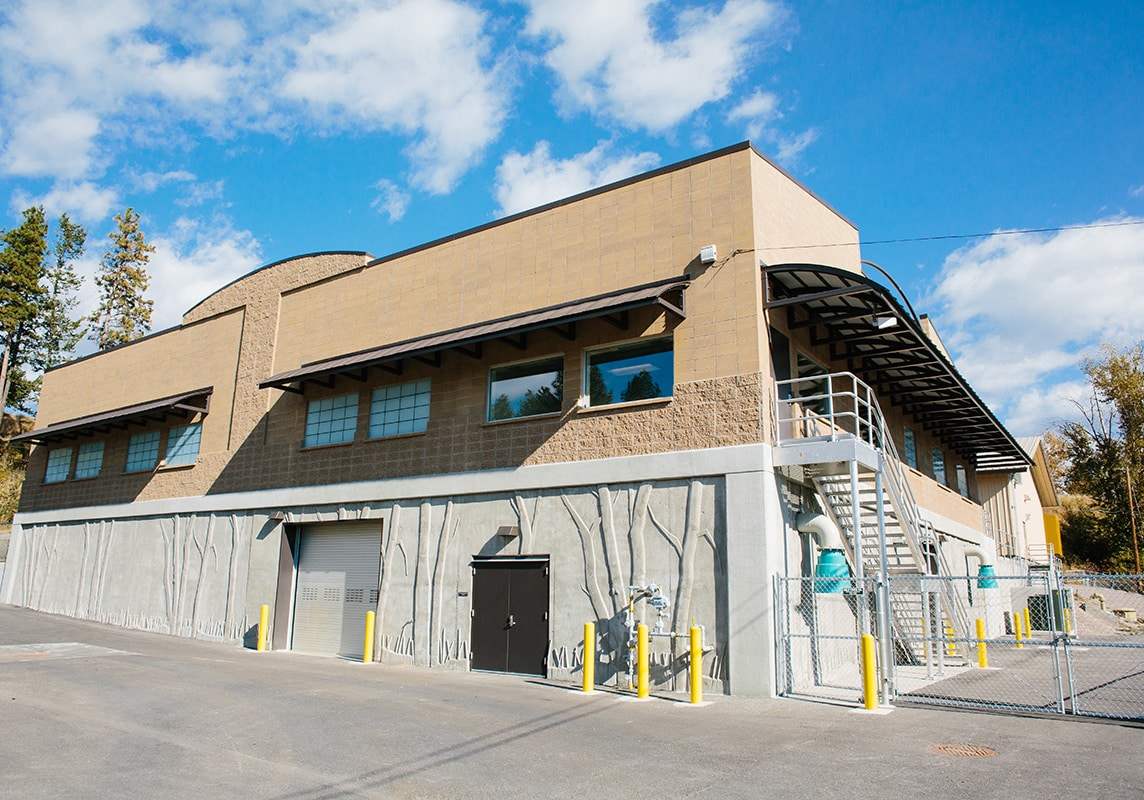
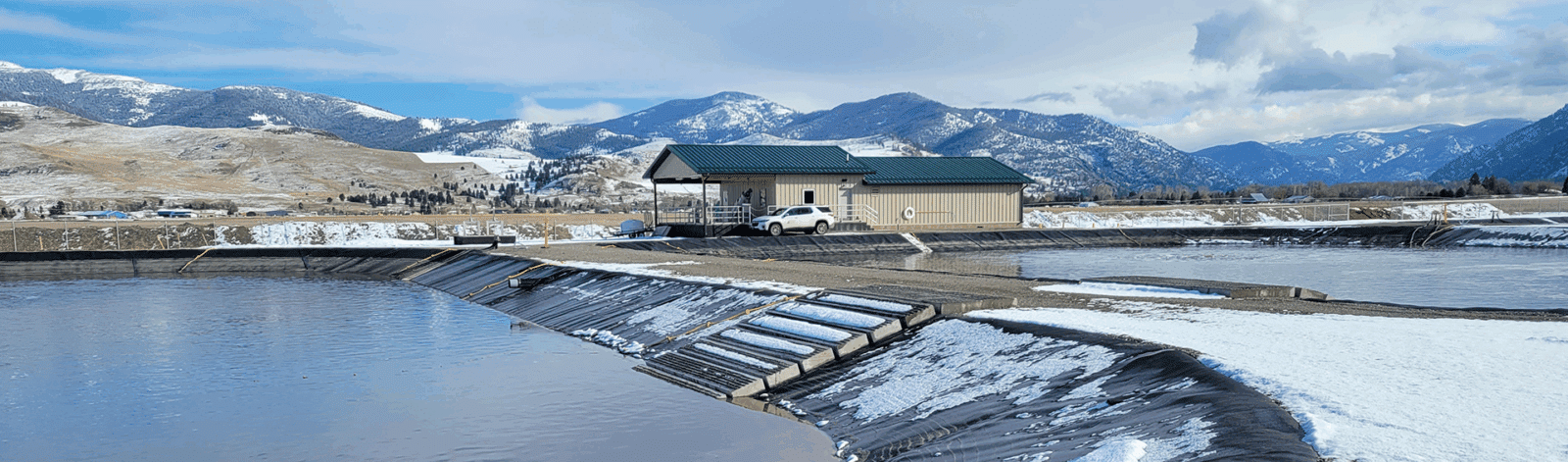
The Bigfork Wastewater Treatment Plant project received a planning grant to help this rapidly growing community upgrade its aging wastewater facility.
What Planning Documents Are Funded by Grants
Planning grants can help communities pay for the technical documents and studies needed to evaluate public facility needs, identify project alternatives, estimate costs, and position projects for future funding. These documents often serve as the backbone of larger grant and loan applications for the design and construction phases.
Common planning documents supported by grant funding can include:
Preliminary Engineering Report
A Preliminary Engineering Report, commonly referred to as a PER, evaluates the existing and future conditions of public infrastructure, including drinking water systems, wastewater treatment facilities, stormwater systems, solid waste facilities, bridges, and other public assets. A PER typically identifies deficiencies, evaluates alternatives, provides cost estimates, and recommends a preferred project approach.
A well-prepared PER can also support a community’s long-term funding strategy by documenting the need, urgency, scope, and cost of a proposed project.
PER Update or Amendment
If a PER is several years old, or if project conditions have changed significantly, it may need to be updated or amended before it can be used in a funding application. Planning grant funds may be available to help communities update existing documents to reflect current conditions, costs, regulatory requirements, and community priorities.
Capital Improvement Plan
A Capital Improvement Plan, or CIP, helps communities identify, prioritize, and schedule public facility improvements over time. A CIP provides a “big picture” look at infrastructure needs and can be especially helpful when communities are managing multiple projects, limited budgets, or competing priorities.
A CIP can also strengthen future funding applications by demonstrating that a project has been thoughtfully evaluated and prioritized within a broader community planning process.
Growth Policy, Master Plan, or System Study
Depending on the state, community, and project type, planning grants may also support growth policies, master plans, water or wastewater facility plans, source water protection plans, resiliency studies, watershed plans, or other technical assessments. These planning efforts help communities make informed decisions about future development, infrastructure investment, regulatory compliance, and public service needs.
Get our newsletterWhere To Find Planning Grants
Planning grant opportunities vary by state, project type, eligibility requirements, and funding cycle. Some programs are specifically designed for water and wastewater planning, while others support broader community development, hazard mitigation, economic development, or infrastructure planning.
Below are examples of planning-related funding resources available across Morrison-Maierle’s service area in Idaho, Montana, Oregon, Washington, and Wyoming
Idaho
In Idaho, public facility planning resources include programs administered by the Idaho Department of Environmental Quality, the Idaho Department of Commerce, and other federal partners.
- The Idaho Department of Environmental Quality’s Facility Planning Grant program provides financial assistance to eligible drinking water and wastewater systems. These funds are typically used to develop facility plans that identify cost-effective and environmentally sound options for upgrading or expanding systems to meet state and federal standards. Eligible applicants may include counties, cities, special service districts, other governmental entities, and nonprofit corporations.
- Idaho communities may also pursue Community Development Block Grant (CDBG) funding through the Idaho Department of Commerce for public facilities and infrastructure projects. While CDBG is often associated with construction, planning and project development are important steps in positioning communities for future infrastructure funding.
Montana
Montana communities have several well-established planning grant resources for public facility projects.
- The Montana Coal Endowment Program Planning Grant supports infrastructure planning for public facilities, including drinking water, wastewater, stormwater, solid waste, and bridges. Eligible applicants include cities, towns, counties, and water and sewer districts.
- The DNRC Renewable Resource Grant and Loan Planning Grant Program can fund planning activities such as Preliminary Engineering Reports, technical narratives, PER or technical narrative updates, Capital Improvement Plans, growth plans, studies, assessments, and watershed restoration plans.
- Montana’s Community Development Block Grant (CDBG) Planning Program may also support plans, studies, training, or research that address major community development needs and benefit low- and moderate-income populations.
Oregon
In Oregon, planning resources are available through several state and federal programs, particularly for water, wastewater, drinking water, and community infrastructure needs.
- The Oregon Health Authority and Business Oregon administer drinking water and infrastructure funding programs that may support planning and design activities associated with eligible projects. Oregon’s drinking water programs identify planning and design activities, feasibility studies, master plans, design documents, environmental documents, and similar work as eligible activities for certain infrastructure projects.
- Business Oregon and the Oregon Health Authority’s Sustainable Infrastructure Planning Projects and the Oregon Housing and Community Service Planning, Infrastructure, and Economic Revitalization(PIER) Program may also provide opportunities for communities evaluating infrastructure improvements, depending on project type, eligibility, and funding availability.
Washington
Washington communities may access planning-related resources via programs in drinking water, clean water, community development, and technical assistance.
- The Washington Department of Health Drinking Water State Revolving Fund includes funding categories related to planning and engineering, consolidation feasibility studies, drinking water system rehabilitation, source water protection, and other eligible drinking water system needs.
- The Washington Department of Ecology Water Quality Combined Funding Program supports planning, design, and construction for wastewater facilities, stormwater facilities, nonpoint source activities, and onsite sewage systems. The program uses a single application process to consider applicants for multiple available grant and loan sources.
- Washington’s Community Development Block Grant (CDBG) program may also support planning and infrastructure-related activities for eligible small, rural cities, towns, and counties that principally benefit low- and moderate-income populations.
Wyoming
Wyoming offers several resources that can support planning, technical assistance, and early project development.
- The Wyoming Grant Assistance Program provides technical assistance to local and tribal government entities, nonprofits, and small businesses as they navigate project planning, grant research, and application development.
- The Wyoming Business Council Building Resilient Communities program provides financing for community planning activities and publicly owned infrastructure that supports business needs and economic development. Eligible public infrastructure may include water, sewer, roads, airports, rights-of-way, telecommunications, land, business park amenities, recreation, and educational facilities.
- The Wyoming Water Development Commission also supports planning and project development for municipal, rural domestic, agricultural, watershed, and groundwater projects. The Commission’s Level I and Level II processes are often an important step for communities to evaluate water system needs before advancing to construction.
Wyoming communities may also explore Community Development Block Grant resources, State Land Investment Board programs, Drinking Water State Revolving Fund, Clean Water State Revolving Fund, and other state-funded infrastructure programs, depending on the project type and eligibility.
Regional and Federal Resources
In addition to state-specific programs, several regional and federal resources may be available across multiple states.
- USDA Rural Development Water and Waste Disposal Predevelopment Planning Grants can help eligible low-income rural communities plan and develop applications for water or waste disposal projects. These grants may be especially useful for small communities preparing for larger USDA Rural Development funding applications.
- The U.S. Economic Development Administration Planning and Technical Assistance Program can support economic development plans and studies designed to build capacity and guide long-term economic prosperity.
- The U.S. Army Corps of Engineers Planning Assistance to States Program may provide planning-level assistance for water resource issues. This program does not lead directly to construction, but it can help communities evaluate complex water resource challenges.
- FEMA hazard mitigation programs, including Building Resilient Infrastructure and Communities and Flood Mitigation Assistance, may also support certain planning initiatives that reduce risk from natural hazards, depending on program availability, state priorities, and project eligibility.
Communities are often most successful when planning, engineering, and funding strategies are developed together rather than treated as separate steps. A strong planning document can help define the project, support public decision-making, and position the community for future grant and loan opportunities.
How to Get Started
Planning grant applications are often more concise than construction grant applications, but they still require a clear understanding of the project need, proposed scope of work, community benefits, budget, schedule, and a long-term funding strategy.
Before applying, communities should consider the following questions:
- What problem are you trying to solve?
- Is the issue related to public health, safety, regulatory compliance, aging infrastructure, growth, resiliency, or economic development?
- What planning document or study is needed to move the project forward?
- Has the community completed similar planning work in the past?
- Will existing documents need to be updated?
- What funding programs are likely to support the eventual design or construction project?
- Are local matching funds required?
- Does the community meet income, population, rural, or other eligibility requirements?
- Are there pre-application steps, letters of interest, public meetings, or agency consultations required?
- Does the applicant understand the time, documentation, and coordination needed to prepare a competitive application?
One of the most important steps is to begin the funding conversation early. Communities are often most successful when planning, engineering, and funding strategies are developed together rather than treated as separate steps. A strong planning document can help define the project, support public decision-making, and position the community for future grant and loan opportunities.
For many communities, the process can feel overwhelming—but it does not have to be completed alone. Engineers, grant writers, funding agencies, and technical assistance providers can help communities identify appropriate funding sources, prepare planning grant applications, and develop a path from planning to construction.
Public facility projects rarely happen overnight. They begin with a documented need, a clear plan, and a funding strategy that supports the community’s long-term goals. Planning grants can provide the resources needed to take that first step.
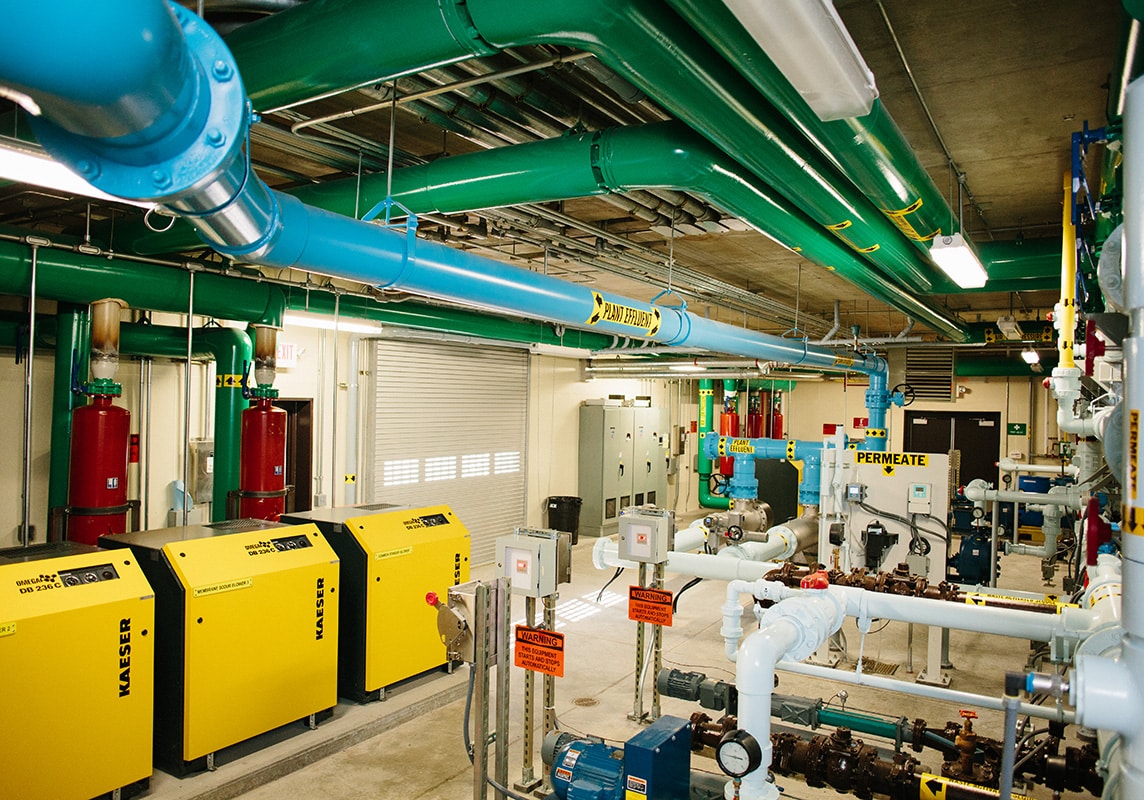
A public facility planning grant helped start the Bigfork Wastewater Treatment Plant project. This project includes an advanced treatment with a logical modular expansion feature to meet the needs of this growing community.
Help With Your Public Facility Planning Grants
If your community is considering a water, wastewater, stormwater, public facility, or other infrastructure improvement project, now may be the right time to explore planning grant opportunities. Morrison-Maierle works with communities throughout Idaho, Montana, Oregon, Washington, Wyoming, and surrounding regions to identify funding options, prepare planning documents, and position projects for future implementation. We are always eager to learn more about your communities’ unique challenges, goals, and priorities. We thrive on working collaboratively to develop a funding strategy that supports both immediate needs and long-term success.
For nearly 40 years, our team has supported communities with infrastructure planning, project development, and grant administration, helping turn project goals into reality. This experience includes a strong track record of grant work for our water and wastewater clients, which has helped secure and/or administer more than $213.9 million in grant funding from various funding agencies. At the same time, Morrison-Maierle’s grant support extends beyond one market group or project type. We assist clients across all states we serve and all market groups by tracking upcoming funding opportunities, monitoring program changes, evaluating eligibility, and helping determine which funding sources are the best fit for each project.
If your community or organization is planning a project, we welcome the opportunity to learn more about your challenges, explore funding options, and help develop a strategy that supports your goals.
We're here to help. Contact our grant funding teamAbout The Author

As our Grant Manager, Julie Hofbauer takes pride in helping her clients find funding assistance to turn their project ideas into a reality.
Learn more about Julie