Shape Communities. Grow Your Career.
We know that building great communities starts with teams made up of great people. If you’re exploring ways to collaborate and make an impact, join us.
Explore Career Opportunities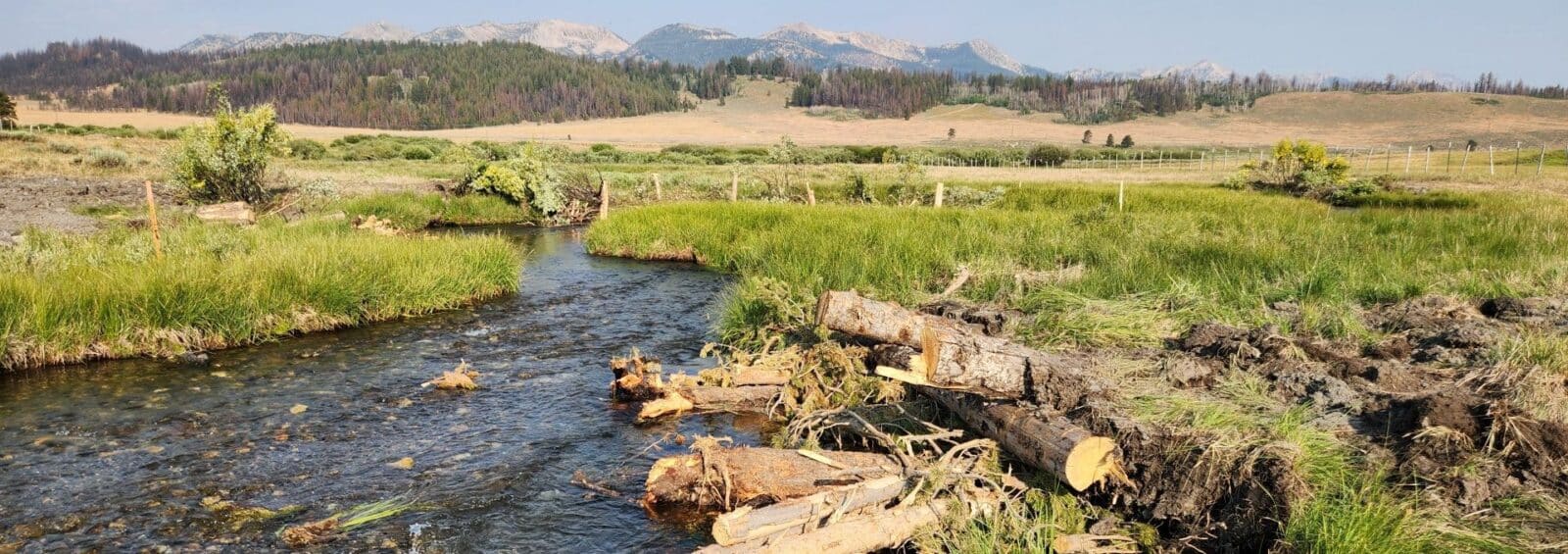
The Pole Creek Restoration project provided stream restoration and habitat improvements over a 1.8-mile reach of Pole Creek. Pole Creek is a tributary of the Salmon River located within the headwaters subbasin of the Upper Salmon River Watershed. At the point of confluence, Pole Creek nearly doubles the flow in the Salmon River and historically supported Chinook salmon, steelhead, and bull trout at every life stage.
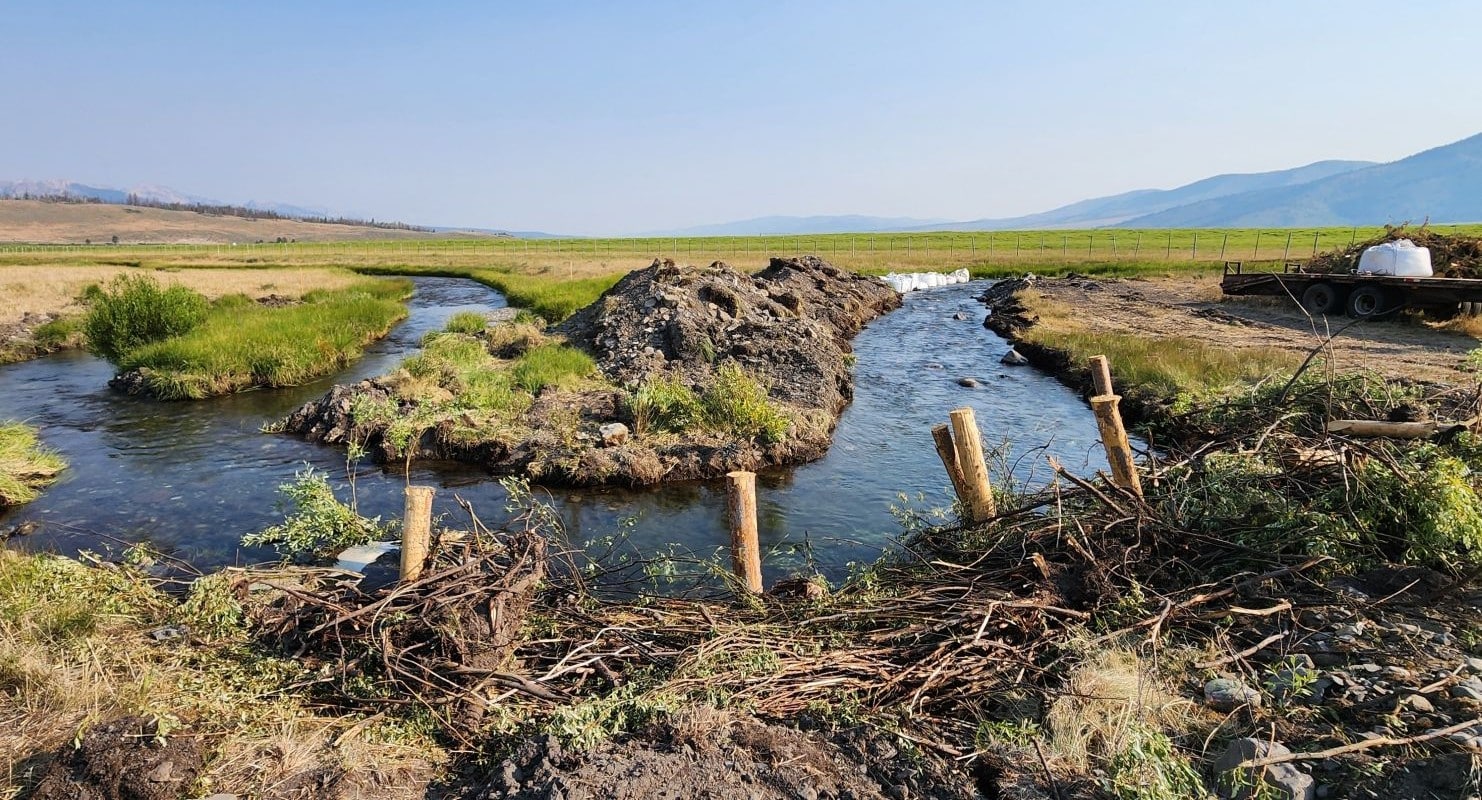
Pole Creek tributary is designated Critical Habitat for Chinook salmon and steelhead and Essential Fish Habitat for Chinook salmon. Decades of irrigation and ranching practices within the riparian corridor resulted in the loss of riparian vegetation, channel straightening, and destabilization of channel embankments. The goals of the restoration effort were to improve the availability of quality spawning and rearing habitat in the lower 1.8 miles of Pole Creek by reconnecting abandoned meander bends and installing riparian plantings and in-stream habitat structures that provide the microhabitat and refuge fish need to spawn and rear successfully.
Civil Design
Permitting
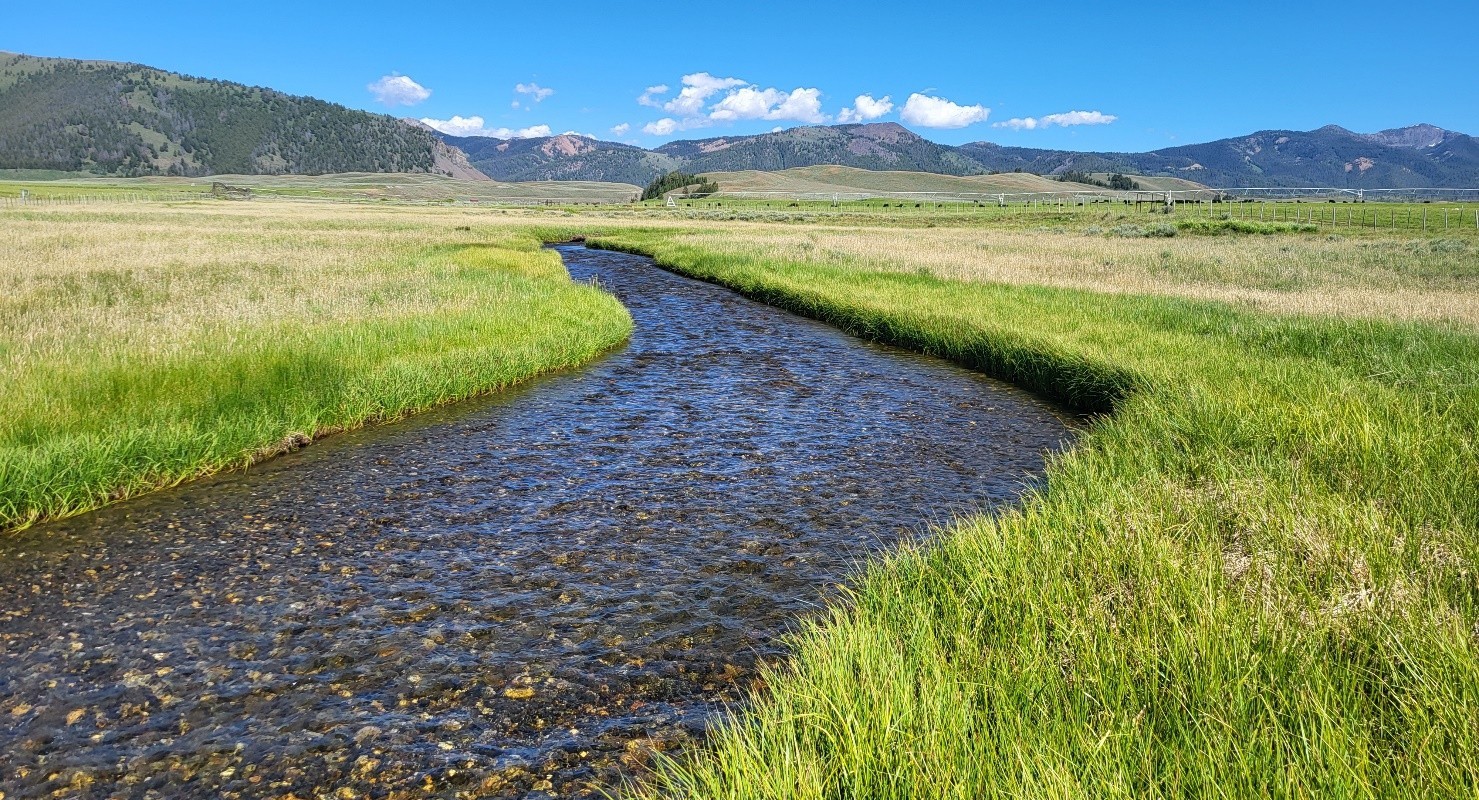
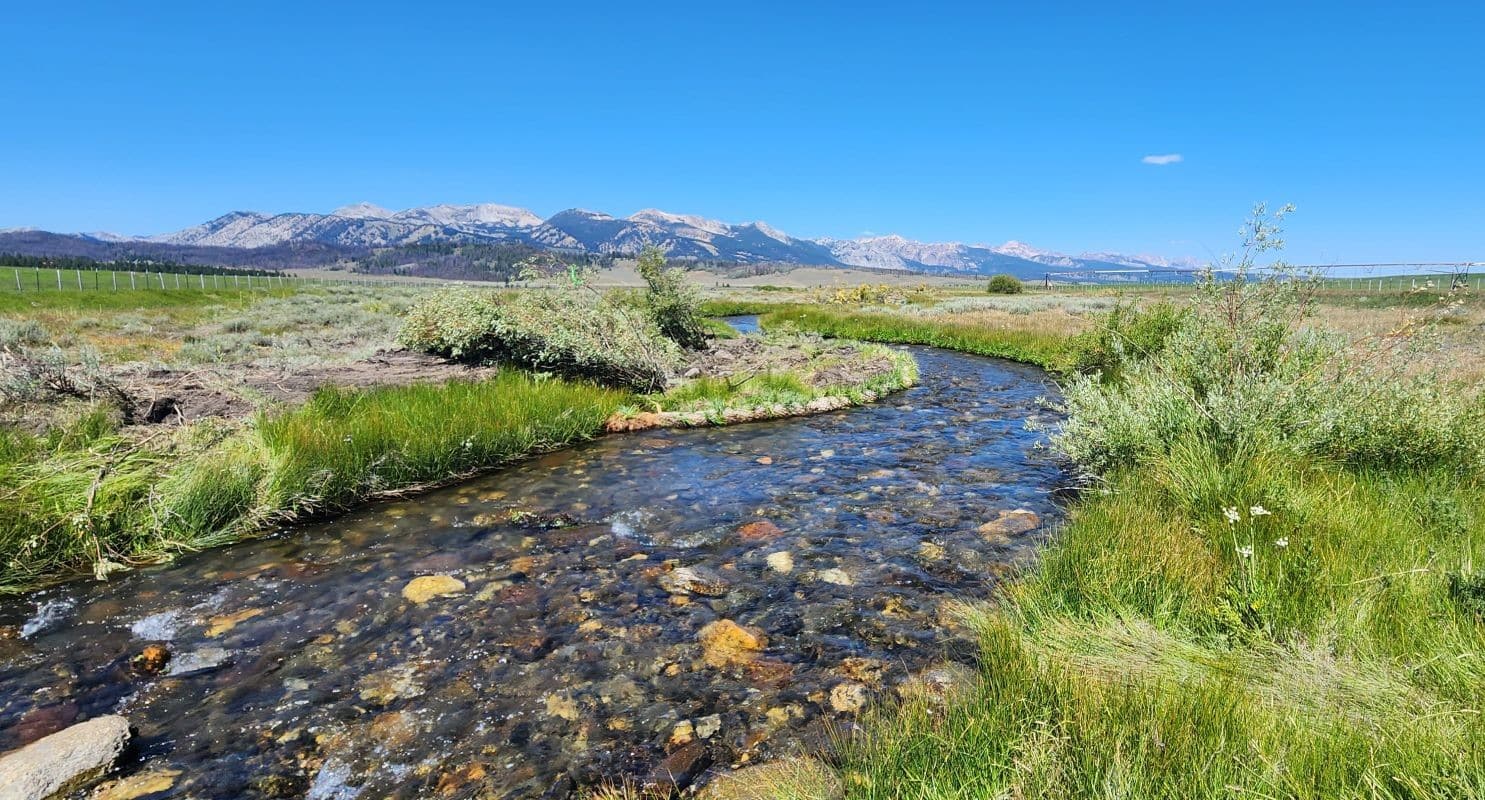
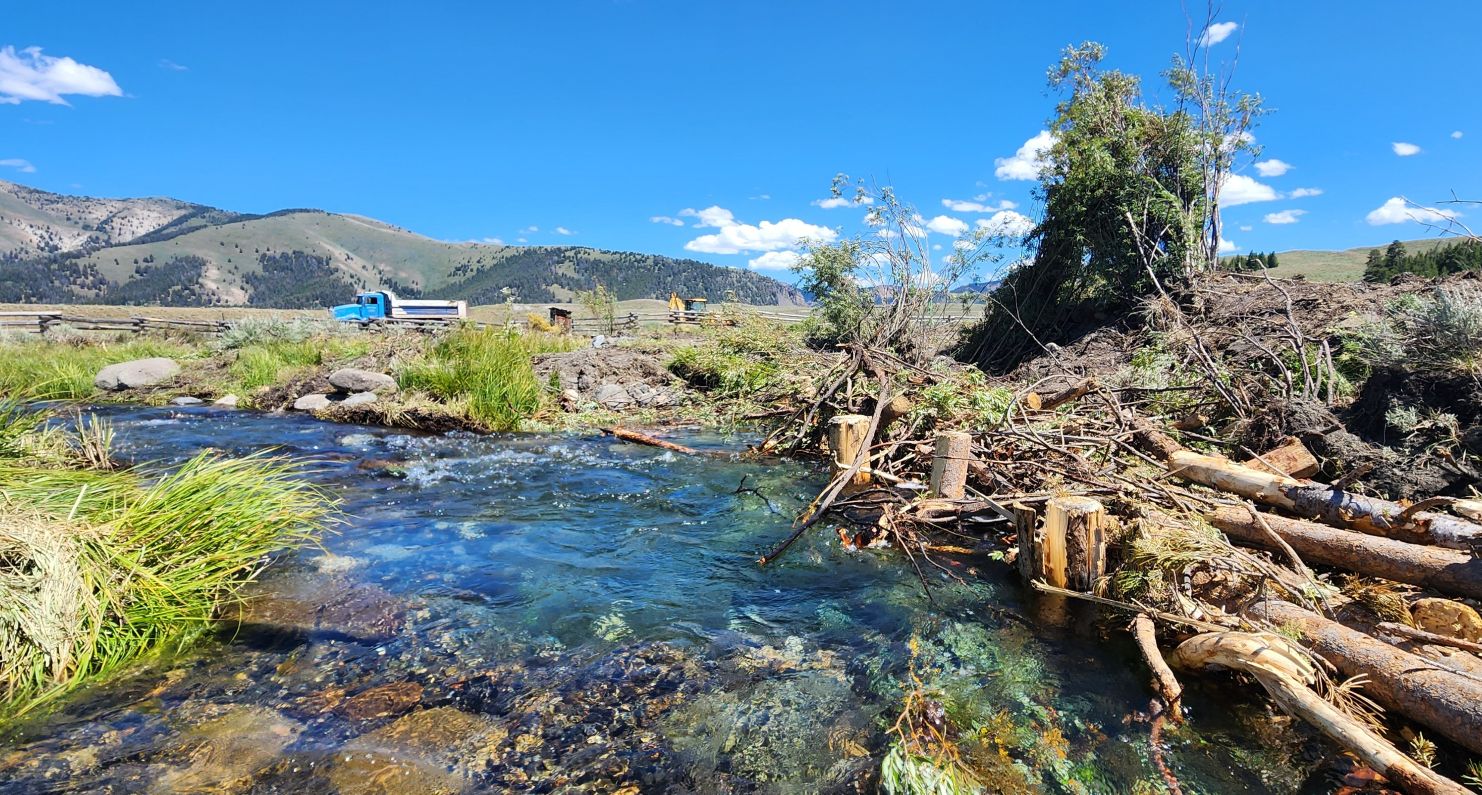
Decades of irrigation and grazing practices within the riparian corridor of Pole Creek resulted in the loss of riparian vegetation and channel complexity that historically provided high-quality spawning and rearing habitat. Since the 1970s, the U.S. Forest Service and the U.S. Bureau of Reclamation have worked to address these issues by establishing easements, removing surface-water diversions, eliminating pivot irrigation in the riparian zone, and fencing out livestock. While these actions decreased stream disturbances, the riparian vegetation struggled to re-establish through natural recruitment.
Working with the Custer Soil and Water Conservation District and the local landowner, this restoration project aimed to improve habitat availability and complexity along the lower 1.8 miles of Pole Creek. Rather than designing to a fixed set of habitat criteria, the project team focused on maximizing restoration impact within the available funding, breaking the work into phases so that responses to early treatments could inform subsequent phases.
Restoration techniques included reconnecting abandoned meander bends, and features such as islands, pools, and banks were constructed from natural materials, such as coir logs, willow clumps, and sedge mats, to narrow and deepen the channel, raise water surface levels, and reconnect the floodplain. Small wood embankments were installed along the outer banks at meander reconnections to stabilize them during vegetation establishment. Additionally, locally harvested live willow stakes were driven into the banks to prevent erosion and promote stabilization.
Hydraulic modeling informed the design, but the project team kept technical analysis to what was necessary so more effort could go toward on-the-ground restoration work. This project stands as a durable example of how targeted, collaborative restoration work can improve fish habitat and water quality in a working agricultural landscape.
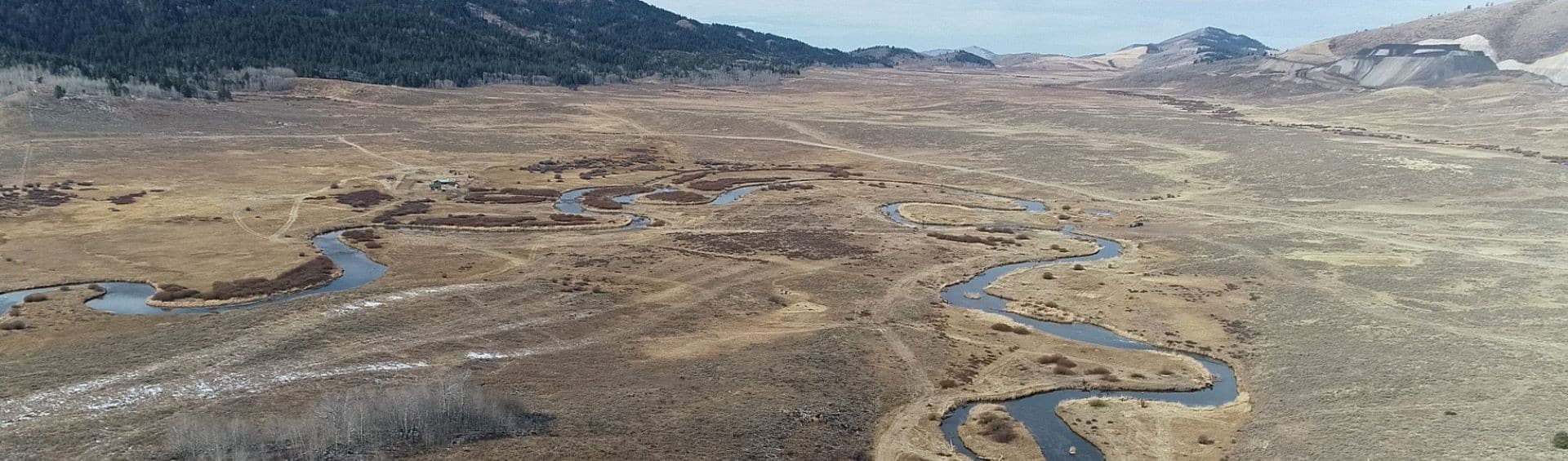
Morrison-Maierle led a collaborative, multi-phase fish habitat restoration on Idaho's Blackfoot River, rebuilding cutthroat trout habitat.
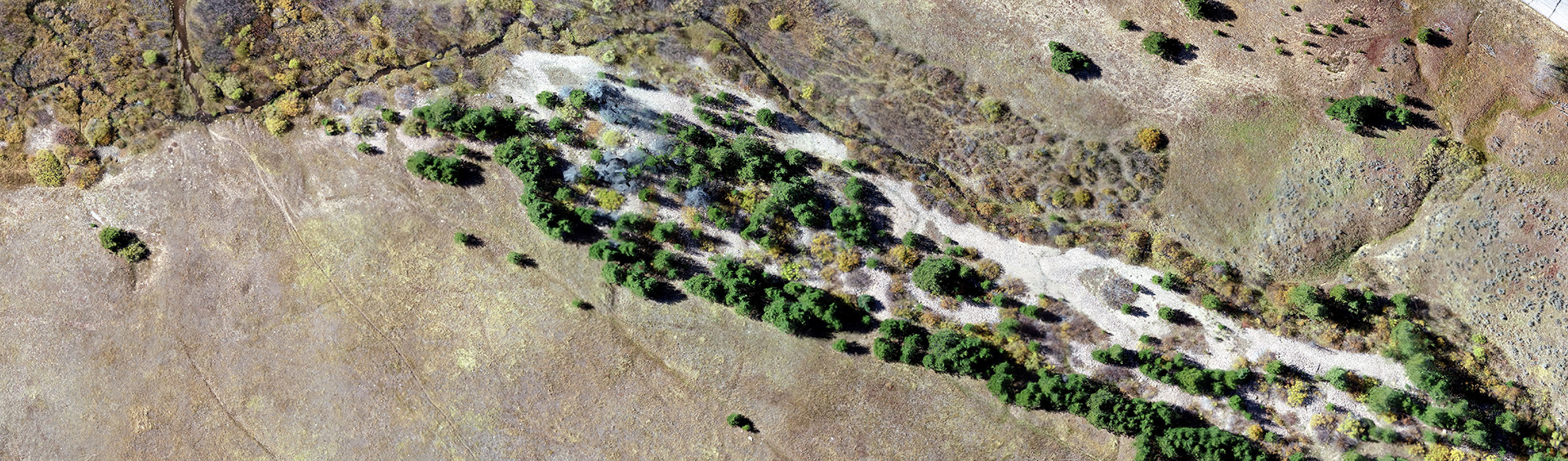
Morrison-Maierle’s Oregon Creek Stream restoration project designed and used an advanced monitoring technique to create 1,400 lineal feet of new stream channel and four acres of new floodplain.
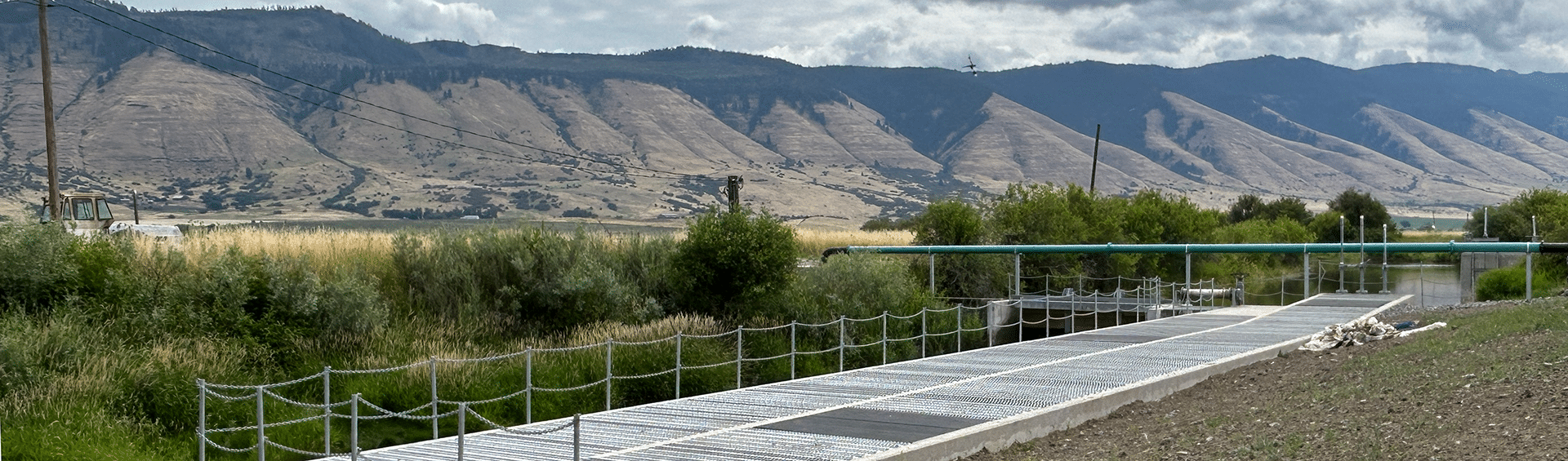
Located near La Grande, Oregon, the Elmer Dam Fish Passage project helps reconnect fish habitat in upper Catherine Creek while supporting the irrigation needs of a working agricultural property.

We know that building great communities starts with teams made up of great people. If you’re exploring ways to collaborate and make an impact, join us.
Explore Career Opportunities