Water Management
How Source Water Quality Shapes Water Treatment Plant Design and Costs
A side-by-side comparison shows how raw water conditions can drive decision making
No two water treatment plant projects are exactly alike. Even when facilities share similar goals, regulations, and treatment frameworks, source water quality is often the factor that most strongly shapes the final design, implementation costs, and operating costs.
In this article, we perform a side-by-side comparison of two small communities that set out to modernize aging surface water treatment plants under similar regulatory and project delivery conditions. Both plants had capacities of less than 3 MGD, with many similar elements such as intake and high service pumping. However, dramatic differences in source water quality ultimately developed into very different treatment strategies, capital investments, and long-term operating costs.
Raw Water Quality Set the Direction
For comparison, Facility A was designed around a volatile, flashy river source with high variability. This community had limited alternative supply options, since local groundwater was heavily mineralized and available only in insufficient quantities. Facility B, by contrast, relied on a stable, relatively clean river source that allowed the project team to consider a simpler and more streamlined treatment approach. The intake for Facility B was just downstream from a large dam that aided in providing consistent water quality.
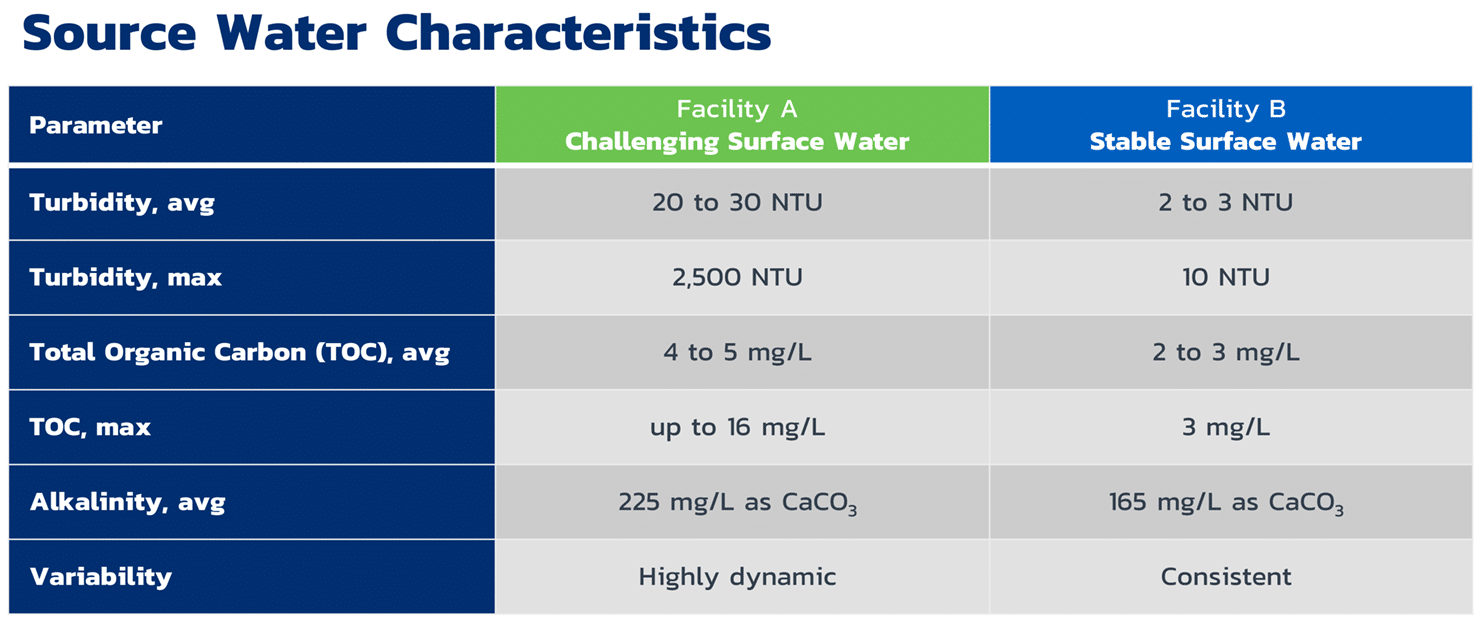
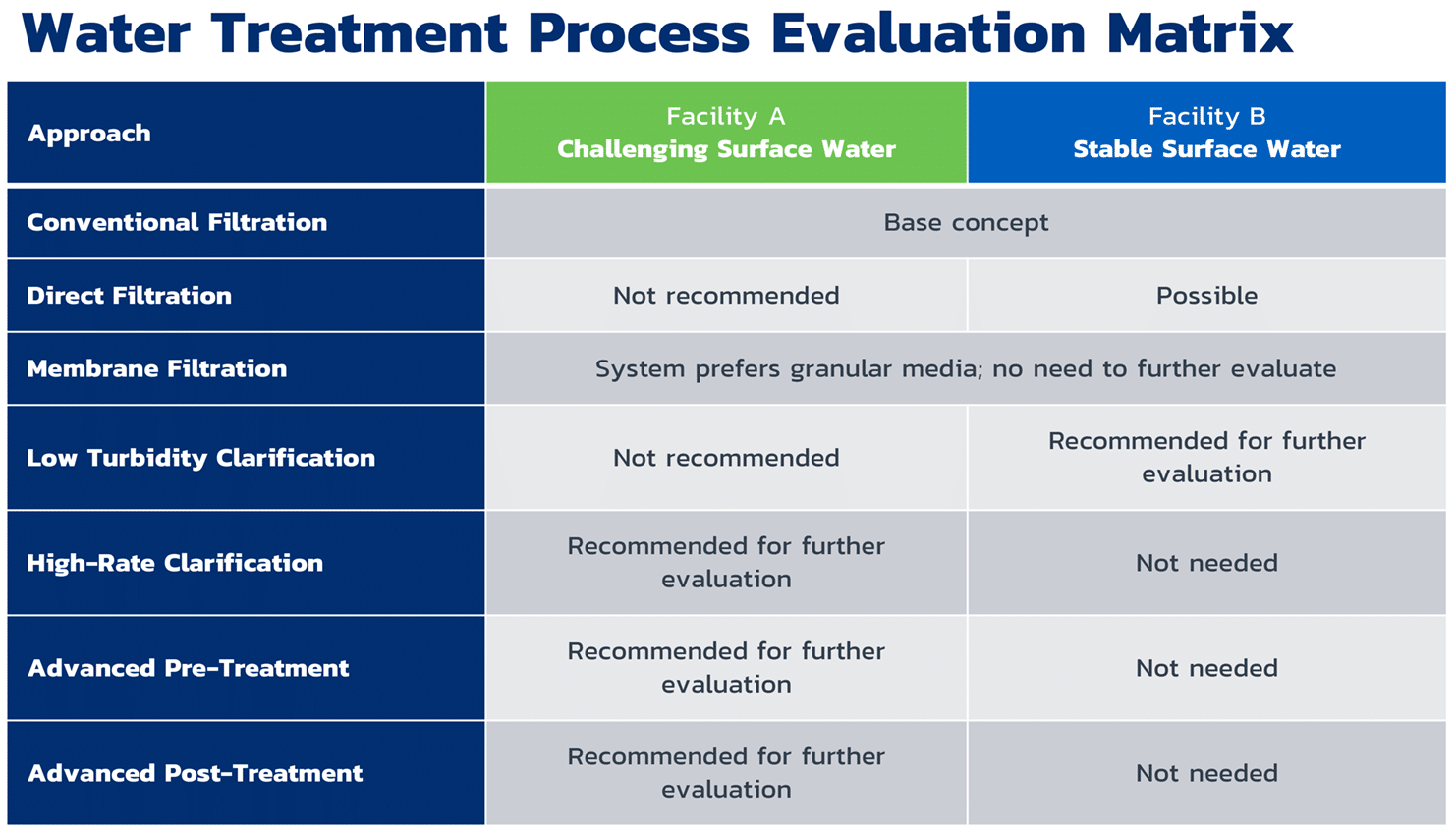
Early in both projects, we focused on the specifics of the raw water. Before processes could be selected or layouts developed, our design team needed to understand what treatment processes were required. The following comparison revealed a fundamental divide, as shown in the table below:
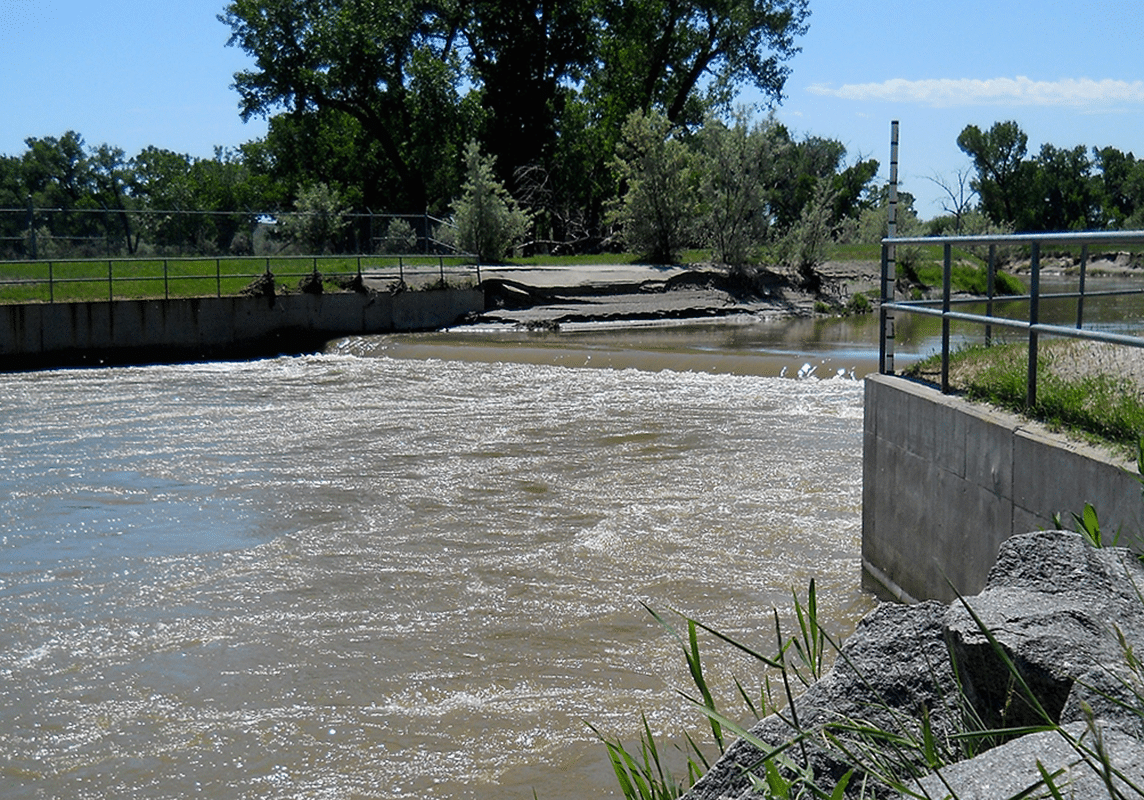
Facility A source water.
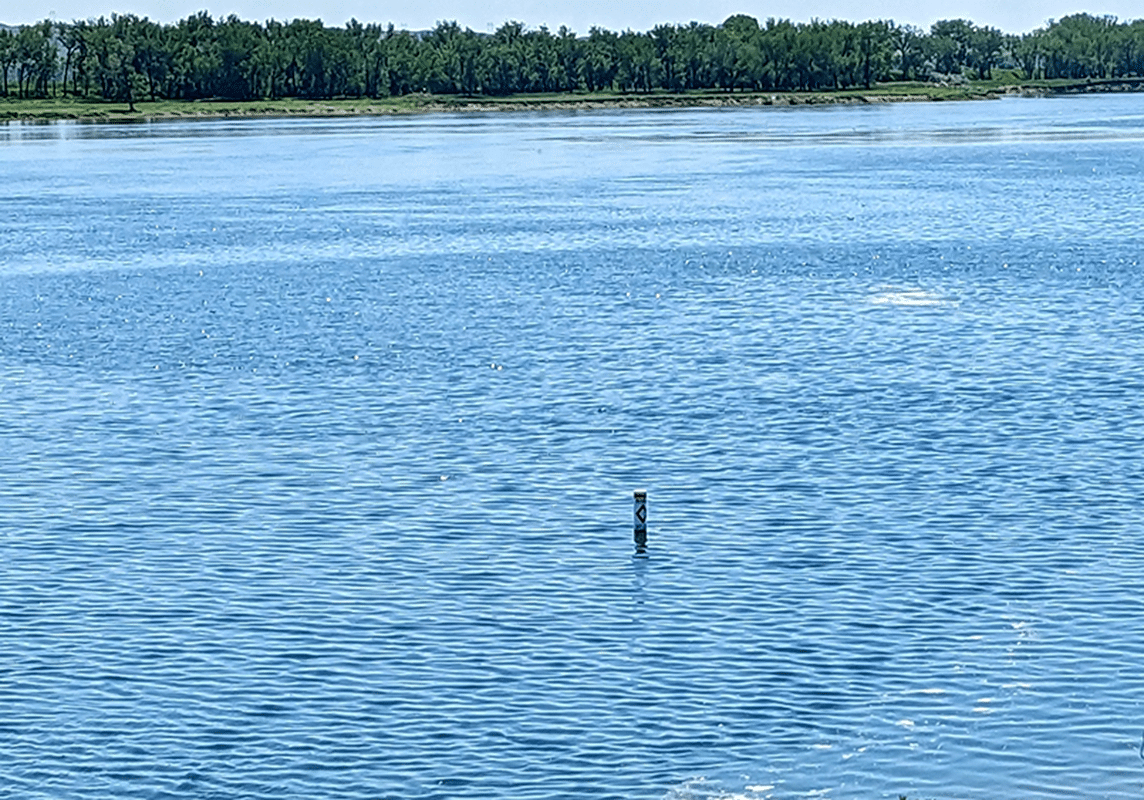
Facility B source water.
The more challenging surface water of Facility A brought not only elevated turbidity and organic content, but also extreme variability. The design team needed to develop a treatment approach capable of handling not only typical conditions, but also the most challenging conditions the source could produce. This water system had also recently experienced violations related to elevated disinfection byproducts due to increased organics in the surface water.
The stable surface water of Facility B benefited from a highly predictable source water supply. With relatively low turbidity and stable organic levels, it allowed for a simpler treatment approach.
Preliminary Planning: Where Paths Begin to Separate
The preliminary design for both water treatment projects began with a conventional treatment framework: chemical addition, rapid mixing, traditional flocculation and sedimentation, filtration, and disinfection, as shown in the process flow diagram below.
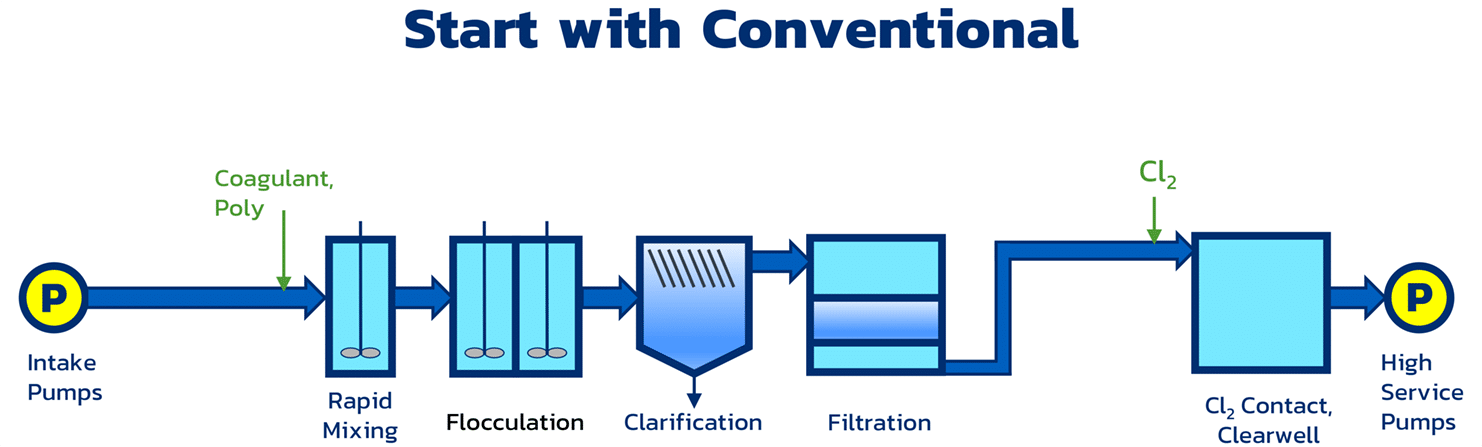
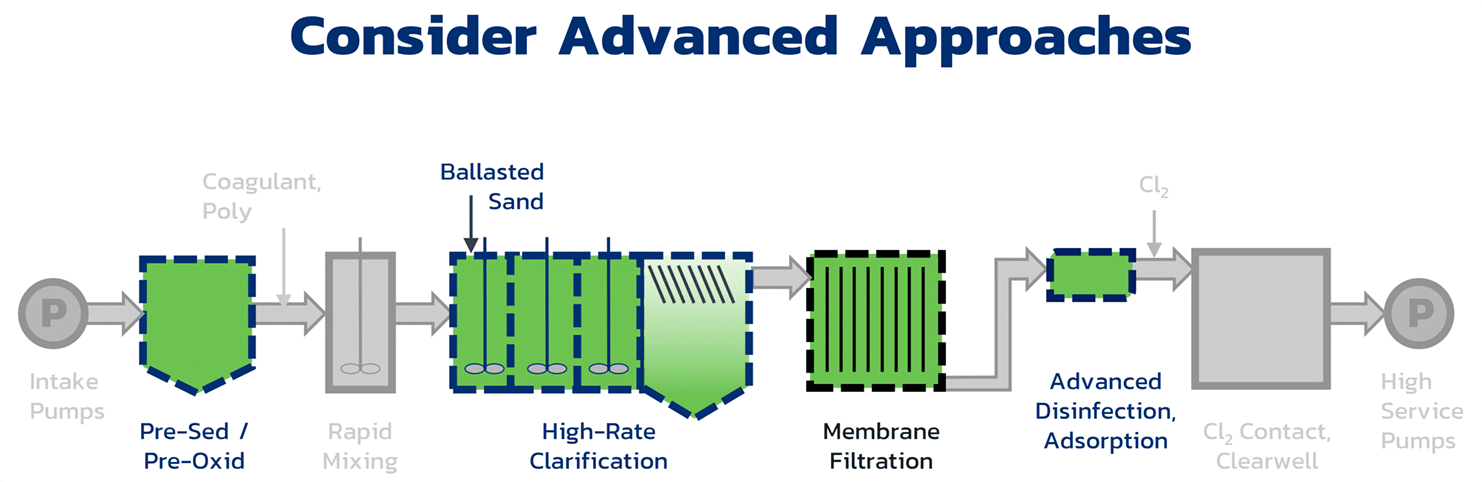
For the more challenging surface water at Facility A, the team considered advanced treatment options beyond conventional treatment, typically at the front and back ends of the process flow diagram, as well as the potential to shift from granular media filtration to membrane filtration, as shown in the figure below. The team also evaluated high-rate clarification for flashy water conditions, including ballasted-sand clarification.
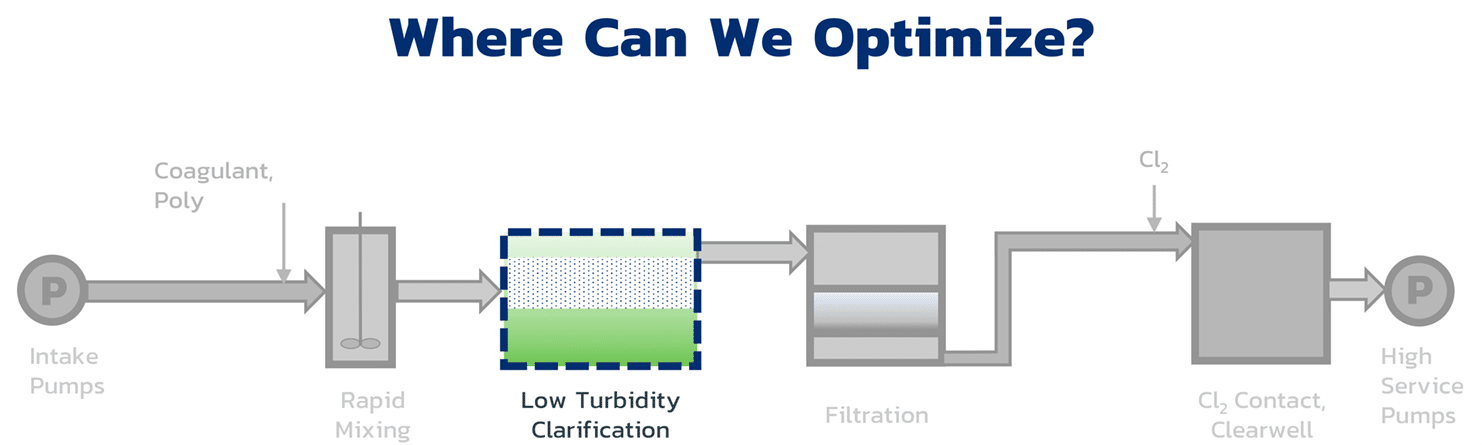
For the more stable surface water at Facility B, the team evaluated where treatment could be optimized by eliminating or streamlining processes, particularly those upstream of filtration. The process flow diagram below illustrates the simplification evaluated for Facility B.
The team also evaluated the existing treatment processes to determine what was and was not working. This effort involved not only an engineering review of each plant, but also in-depth interviews with operations staff to understand their challenges and their overall approach to producing safe drinking water each day. We then used bench-scale testing to explore the water’s coagulation chemistry and oxidation demand. Using this process on the two projects, the team developed conceptual approaches to carry into pilot testing and preliminary design. The results indicated the following:
Pilot Testing Confirmed Two Very Different Paths
With the raw water characteristics defined, the next question was which processes could reliably perform under those conditions. Pilot testing provided the data needed to confirm assumptions developed during preliminary planning and finalize the treatment approach for each facility.
Facility A: For the more challenging surface water, the existing conventional treatment system alone proved insufficient, as evidenced by recent disinfection byproduct violations. A multi-barrier approach was needed to provide the system with additional tools to handle its worst water quality days. The team evaluated several processes, and further evaluation and pilot testing used a conventional approach with pre-oxidation and additional chemical feed at the front end of the treatment train.
The goal of the testing was to evaluate organic removal (measured as total organic carbon, or TOC) through pre-oxidation, coagulant chemical optimization, and plant efficiency (measured as filter run time).
What the pilot testing showed for the more challenging surface water:
- Pre-oxidation using permanganate helped with TOC removal and improved filterability; doses of 1 to 2 mg/L.
- Powdered activated carbon (PAC), at doses of up to 5 mg/L, further reduced organics.
- Alum doses in the 90 to 120 mg/L range were required for coagulation.
- Filter run times were generally capped at 24-hours, but showed modest turbidity and headloss increases.
TOC removal reached 40 to 50 percent, while routine operating conditions consistently achieved 25 to 30 percent removal. TOC removal performance met or exceeded the required 25 percent removal under the applicable regulatory criteria for this source water.
Facility B: For the more stable surface water, testing results varied notably based on the evaluation matrix. This particular facility technically had a conventional process, with a large flocculator/clarifier followed by filtration. However, the clarifier was a repurposed solids-contact clarifier, as had previously been used to soften groundwater. When the system converted to surface water in the 1980s, it became just a large basin with minimal solids and was generally ineffective in removing turbidity before the filters.
The pilot testing focused on an alternative clarification process specifically for low turbidity, cold waters: contact adsorption clarification (CAC).
Coagulation was effective at much lower doses than in the more challenging surface water, and the CAC process achieved excellent removal of low-level turbidity, protecting the filters and allowing long filter runs. However, even though raw water TOC was relatively low, TOC removal remained limited.
What the pilot testing showed for the stable surface water:
- Raw water TOC is generally low and difficult to remove.
- Disinfection byproduct formation potential is very low.
- Treated water specific ultraviolet absorbance (SUVA) is less than 2.0 L/mg-m.
- Required TOC removal can be achieved using chemical dosages that are much higher than currently used:
- Alum dosed at 20 mg/L in pilot testing; plant doses 2 mg/L.
- PAC dosed at 3 mg/L; no PAC is currently added at the plant.
Collectively, these results demonstrated that additional TOC removal could be achieved, but only at chemical dosages approximately 10 times higher than those used in current plant operation. Given the source water’s low disinfection byproduct formation potential, low SUVA values, and lack of disinfection byproduct compliance issues, the added treatment cost was not justified.
The system was already using the alternative compliance criteria for TOC removal, achieving only an 8 percent removal rate, whereas 15 percent is typically required under the standard compliance criteria. Using the pilot testing results, the design team collaborated with state regulators to evaluate compliance options. The state ultimately agreed that the additional treatment cost was not justified, particularly in light of the excellent pilot plant efficiency achieved with the CAC process prior to granular media filtration. The plant would continue to utilize the alternative compliance criteria for TOC removal.
Moving Forward into Full Design
During final design, the preliminary effort and pilot testing results dictated very different directions.
For Facility A, the design team developed a robust, multi-stage treatment process to withstand variability and protect filter performance, building on the conventional framework. Each component served a specific role in managing risk and providing operators with the necessary tools and process flexibility:
- Pre-oxidation for organics removal and to stabilize raw water quality.
- Sodium permanganate dosing
- 2 parallel basins providing 3+ hours of detention time
- Mechanical solids removal
- Cold weather operation in one basin due to raw water color and organics in the winter
- PAC addition to address organic compounds and provide taste and odor control.
- Optimized coagulation (alum and specific polymer aids).
- Conventional treatment: 2-stage flocculation, clarification using tube settlers, multi-media filtration
- UV disinfection to provide an additional pathogen barrier.
- 3.5-log Cryptosporidium and Giardia inactivation
- Chlorination for virus inactivation and distribution system residual.
The design emphasized resilience and flexibility, ensuring the plant could respond to abrupt changes in raw water conditions.
For Facility B, the design team adopted a markedly different approach. Rather than focusing on extreme variability, the design team emphasized efficiency and simplicity. The process train was streamlined to provide the appropriate treatment approach for clean, cold water.
- Optimized coagulation (aluminum-based coagulant polymer).
- CAC process optimized as a streamlined alternative to full conventional treatment.
- Chlorination for Giardia and virus inactivation, and distribution system residual.
The pilot testing and preliminary evaluations ultimately led to two very different treatment process trains. Facility A incorporated multiple treatment barriers and additional process flexibility to manage highly variable source water conditions. Facility B focused on treatment efficiency, relying on a simpler process approach appropriate for its stable source water. The resulting process flow diagrams are summarized below.
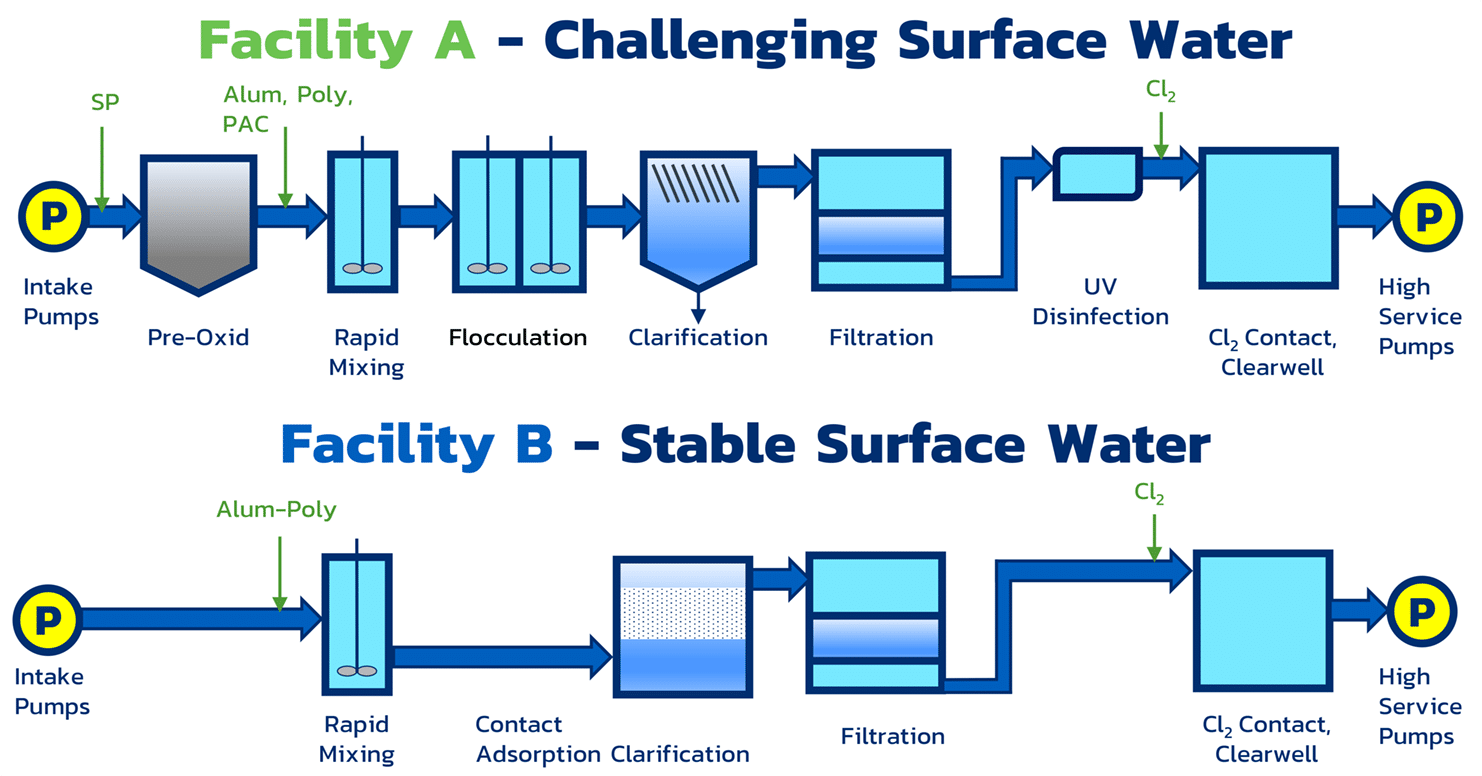
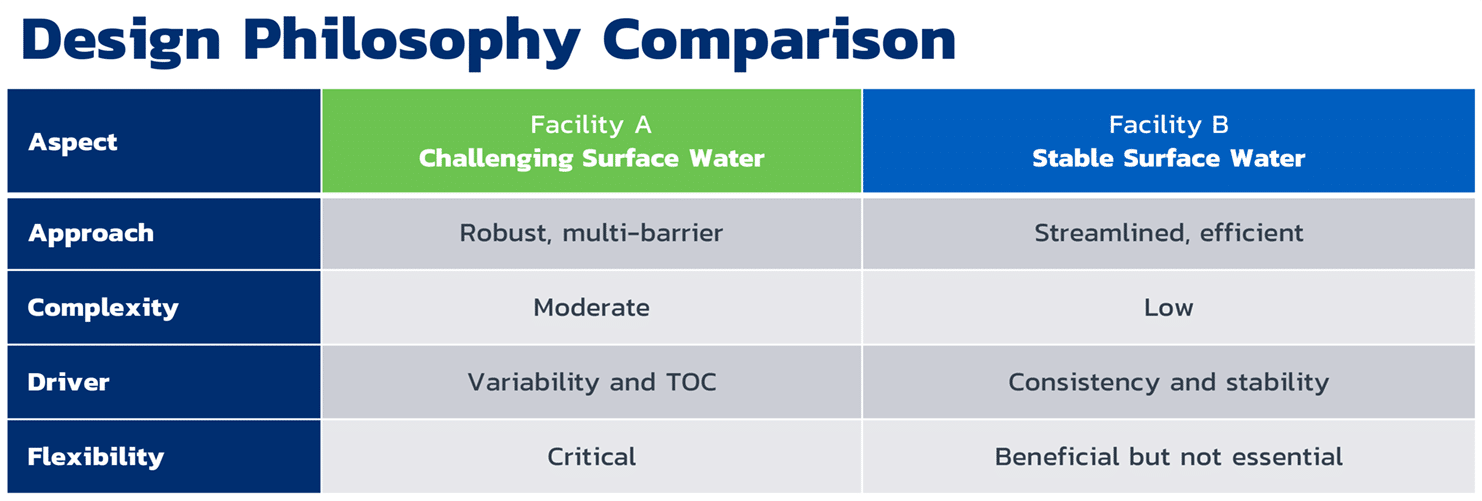
While the process flow diagrams highlight the physical differences between the facilities, they also reflect two fundamentally different design philosophies. Facility A prioritized resilience and operational flexibility to address challenging source water conditions, whereas Facility B emphasized simplicity and efficiency. One plant was designed to handle extremes, while the other was designed to maximize efficiency under stable conditions. These contrasting design approaches are summarized below.
More Challenging Water Drove Higher Capital Costs
As the design team transitioned the projects into construction documents and bid packages, the financial implications became clear. Both projects shared common elements: pumping systems, filtration, disinfection, and general site work. However, the additional processes required at the more complex Facility A drove increases across multiple dimensions, such as:
- Additional site work and concrete basins for pre-oxidation.
- Expanded chemical storage and feed systems.
- UV disinfection infrastructure.
- Larger and more robust residual handling facilities.
These additional treatment requirements significantly increased project costs. On a normalized basis, Facility A, which treated the more challenging source water, required approximately twice the capital investment per gallon of water treated on an average daily basis. While this outcome was not unexpected, it underscored an important reality: challenging water quality often requires additional treatment barriers, process flexibility, and supporting infrastructure, all of which increase project cost.

Operating Costs Became the Biggest Divider
Like construction costs, both facilities shared similar operational elements such as utility costs, chlorine gas disinfection, and a lack of filter backwash recycle. However, at the more complex Facility A, operators must routinely adjust and respond to changing raw water conditions, including precipitation events, spring runoff, and even dry conditions.
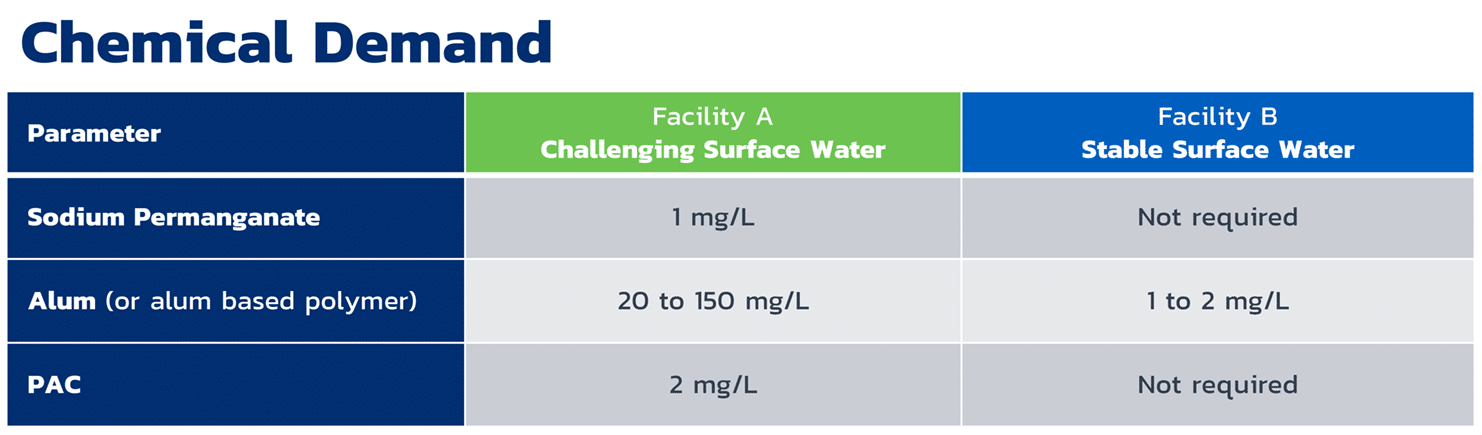
Chemical feed rates also required frequent adjustments to achieve treatment, and multiple treatment processes must be actively managed to maintain performance. Chemical usage became a defining characteristic, highlighting the operational differences between the two plants.
Residuals and Operational Differences
One of the most consequential impacts of source water quality emerged in residuals handling. Higher turbidity and greater coagulant use inevitably lead to higher residual generation. At the more complex Facility A, this resulted in residual production that was more than an order of magnitude greater than at the simpler Facility B. Greater residual production drove several operational consequences:
- Increased pumping, thickening, and storage.
- Higher hauling and disposal costs.
- Greater operator involvement in residuals management.
- Additional maintenance requirements for equipment.
The Bottom Line
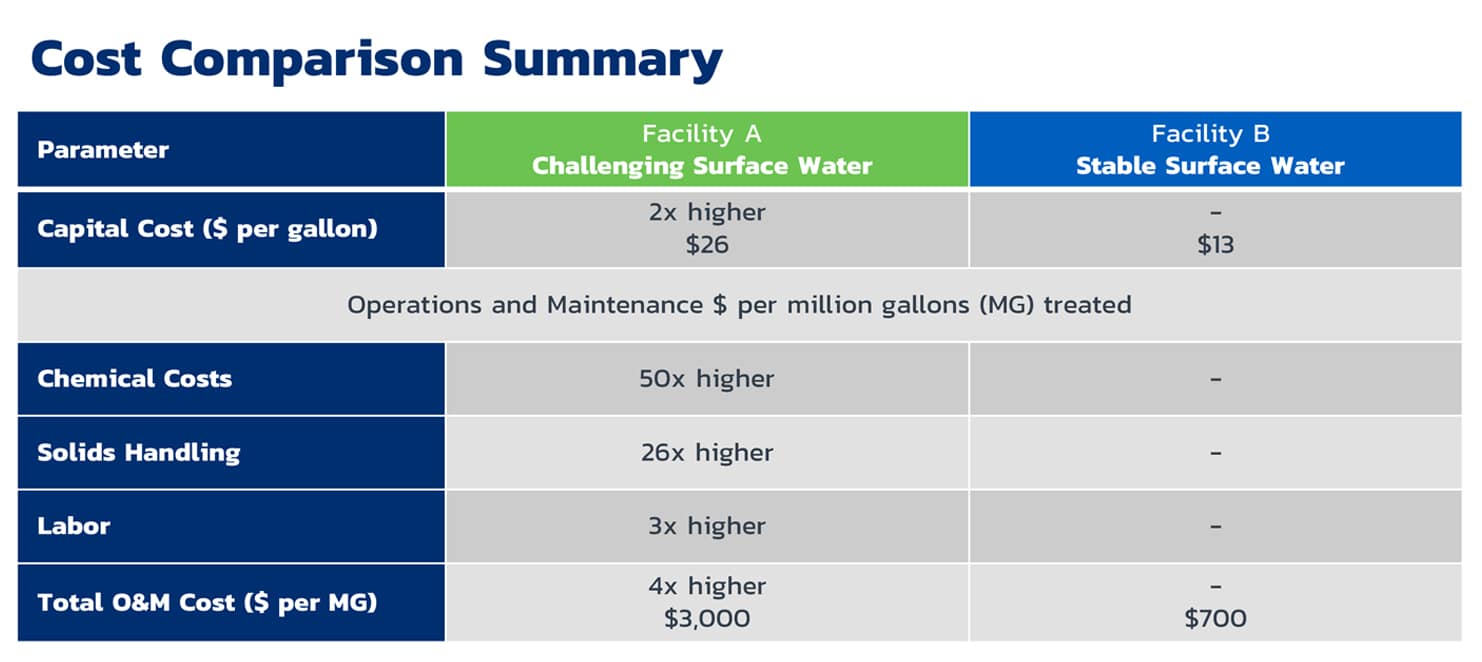
While the capital cost difference was substantial, the ongoing operational expenses ultimately defined the economic gap between the two systems. Chemicals, energy, labor, and residuals management created a persistent cost requirement that extended far beyond initial construction. Even so, the challenging surface water remained the most viable supply option for Facility A. As a result, the community adjusted water user rates to recover these additional costs. Over time, the combined effects of design complexity, chemical demand, residual production, and labor were reflected in operating costs as seen in the chart below:
Key Takeaways
Several key observations emerge from these two facilities and are broadly applicable to small communities with plant capacity less than 3 MGD, and also larger facilities:
- Source water quality dictates treatment strategy – Every major design decision can be traced back to raw water characteristics, finding the best way to consistently provide treatment and produce safe drinking water.
- Treatment flexibility carries lasting consequences – Each added process introduces long-term cost, maintenance, and operational demands, but also provides flexibility and resiliency to aid operations staff.
- Chemical dependence shapes operations – High chemical usage affects not just cost, but residual generation and handling. This is especially important for smaller communities, which may have limited staff.
These two facilities demonstrate that source water quality influences far more than treatment selection. It shapes project cost, operational complexity, staffing requirements, residuals management, and long-term utility economics. For small communities considering treatment improvements, understanding source water quality early in planning helps establish realistic expectations for treatment complexity, project cost, and long-term operational requirements.
Ready to discuss your next water treatment project? Please reach out any timeAbout The Author

As the Water Treatment Technical Leader, Jeff Ashley enjoys helping his team deliver high-quality projects to help our clients meet their project goals.
Learn more about Jeff