Shape Communities. Grow Your Career.
We know that building great communities starts with teams made up of great people. If you’re exploring ways to collaborate and make an impact, join us.
Explore Career Opportunities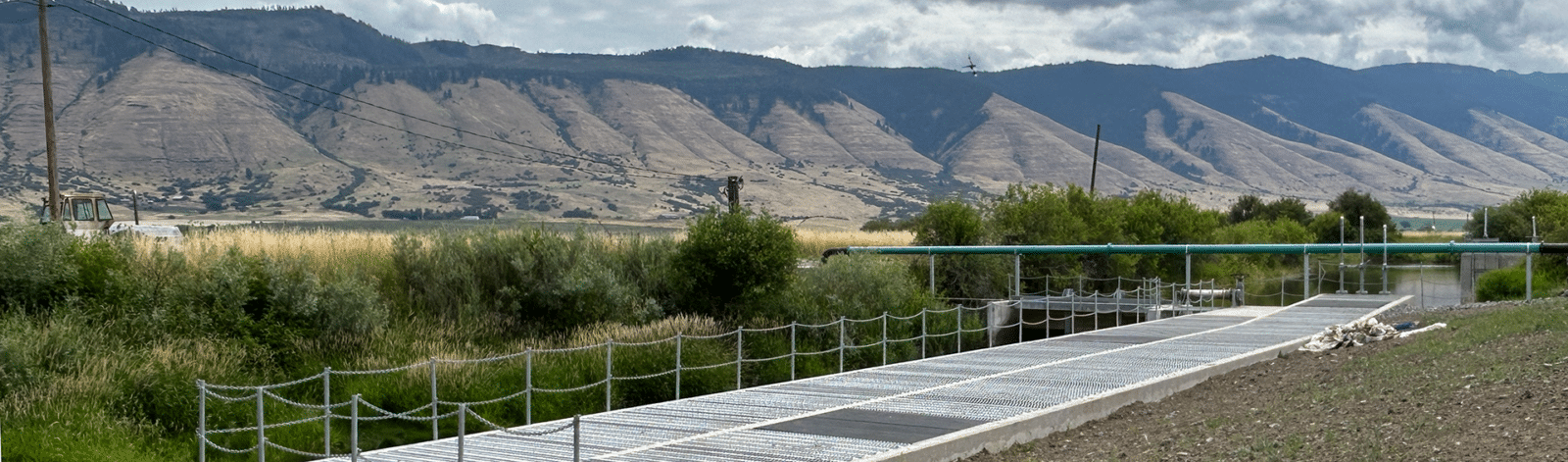
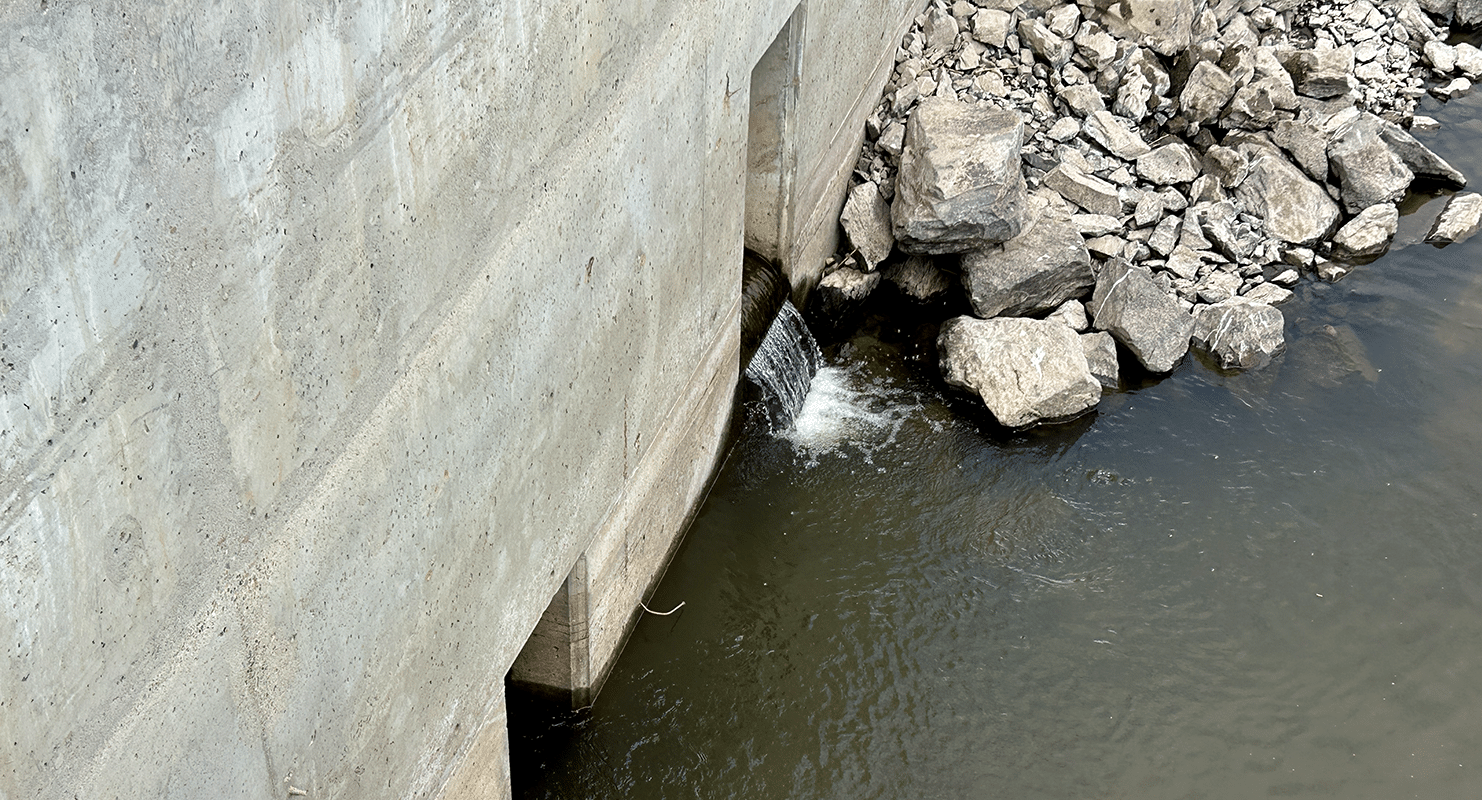
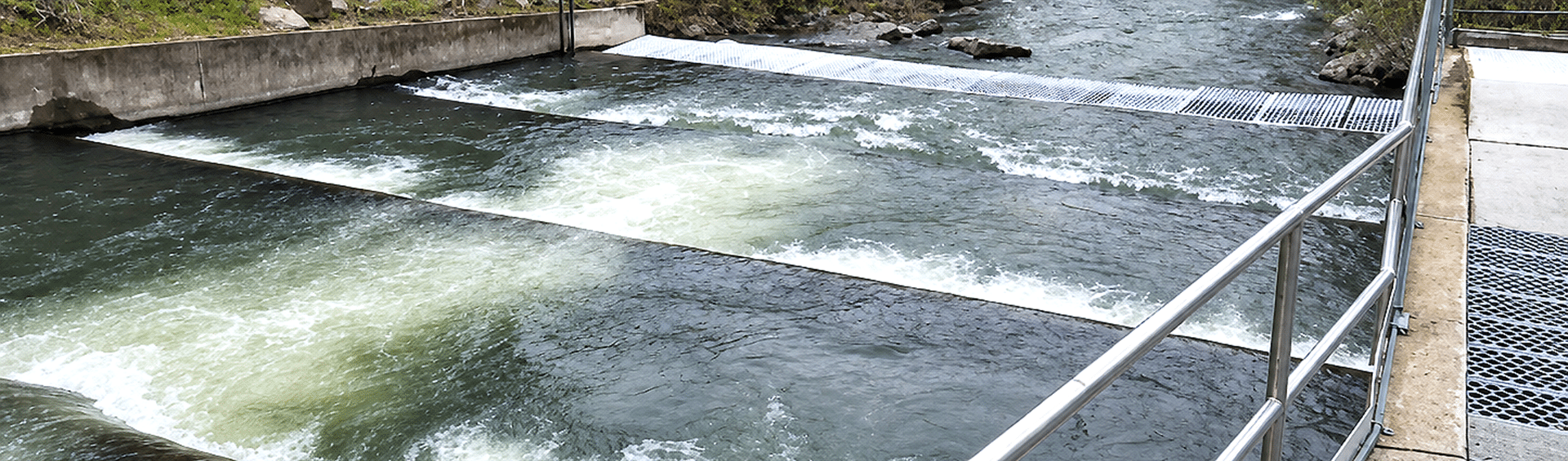
Located on Catherine Creek near La Grande, Oregon, the Elmer Dam Fish Passage project helps reconnect important fish habitat in upper Catherine Creek while supporting the irrigation needs of a working agricultural property. Morrison-Maierle* provided civil, structural, hydraulic, and fisheries engineering services for this collaborative restoration effort, which improved fish passage at a privately owned low-head irrigation dam and upgraded related water-delivery infrastructure.
The project reflects a practical balance between ecological restoration and agricultural resilience. By improving fish movement upstream and downstream, reducing the risk of juvenile fish becoming stranded in off-channel ponds, and modernizing irrigation infrastructure, the project supports long-term fish passage and watershed health. At the same time, it helps the landowner continue to manage water more efficiently and safely.
Elmer Dam is a concrete stoplog irrigation structure on Catherine Creek, a tributary to the Grande Ronde River and an important migration corridor for native fish. The dam was a partial barrier because its existing fish ladder could become inaccessible during low-water conditions. Larger adult Chinook salmon and steelhead could often jump the spillway, but juveniles, trout, lamprey, and other resident species and life stages could not reliably move past the structure.
The site also presented fish-protection challenges further downstream. Catherine Creek flows through a highly modified historic floodplain where old meanders and oxbows remain near the channel. During high-water events, juvenile fish were often swept into these oxbows, where they were at risk of becoming stranded and vulnerable to predators. Improving the dam and irrigation systems created an opportunity to address fish passage, fish screening, and water management needs simultaneously through a single project.
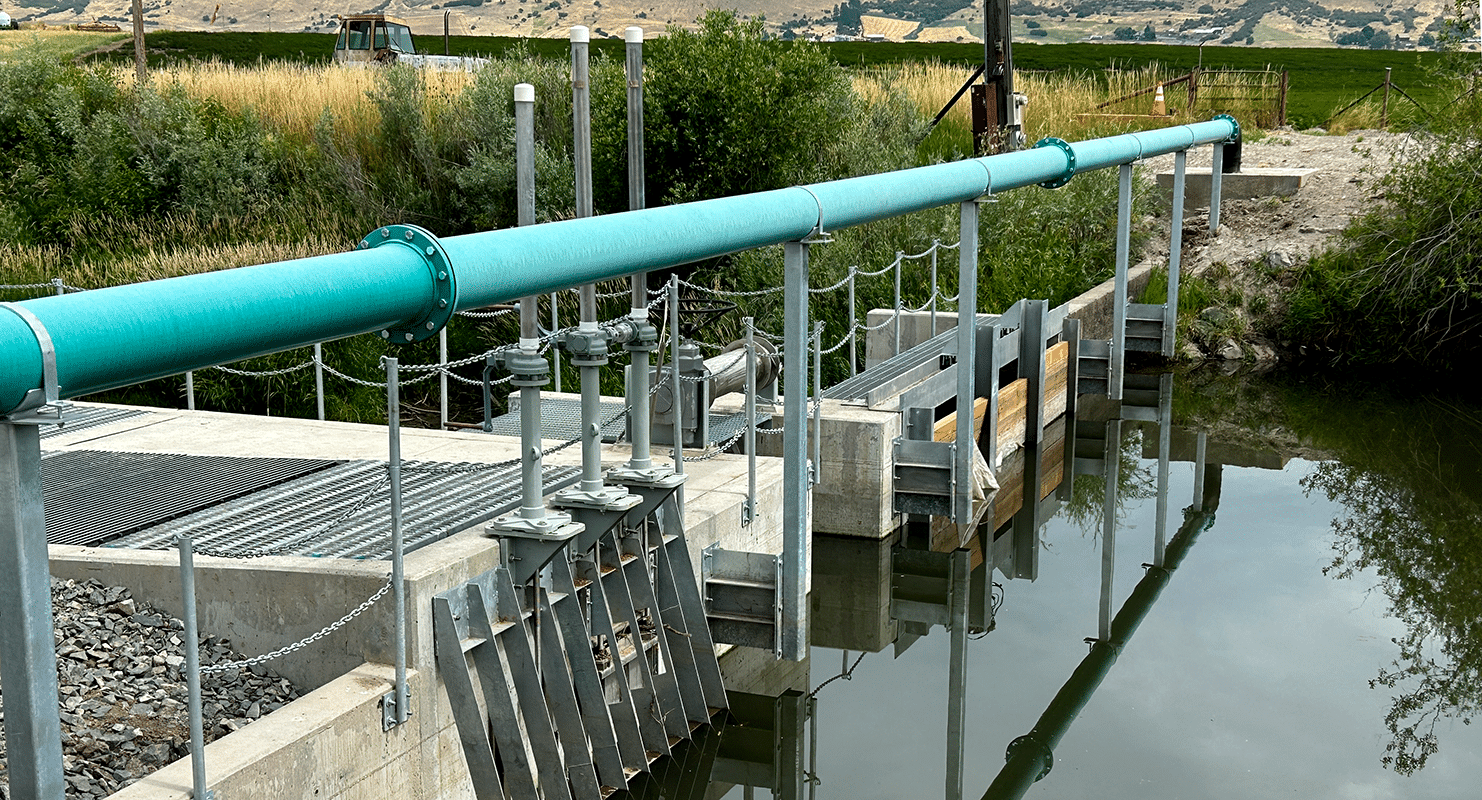
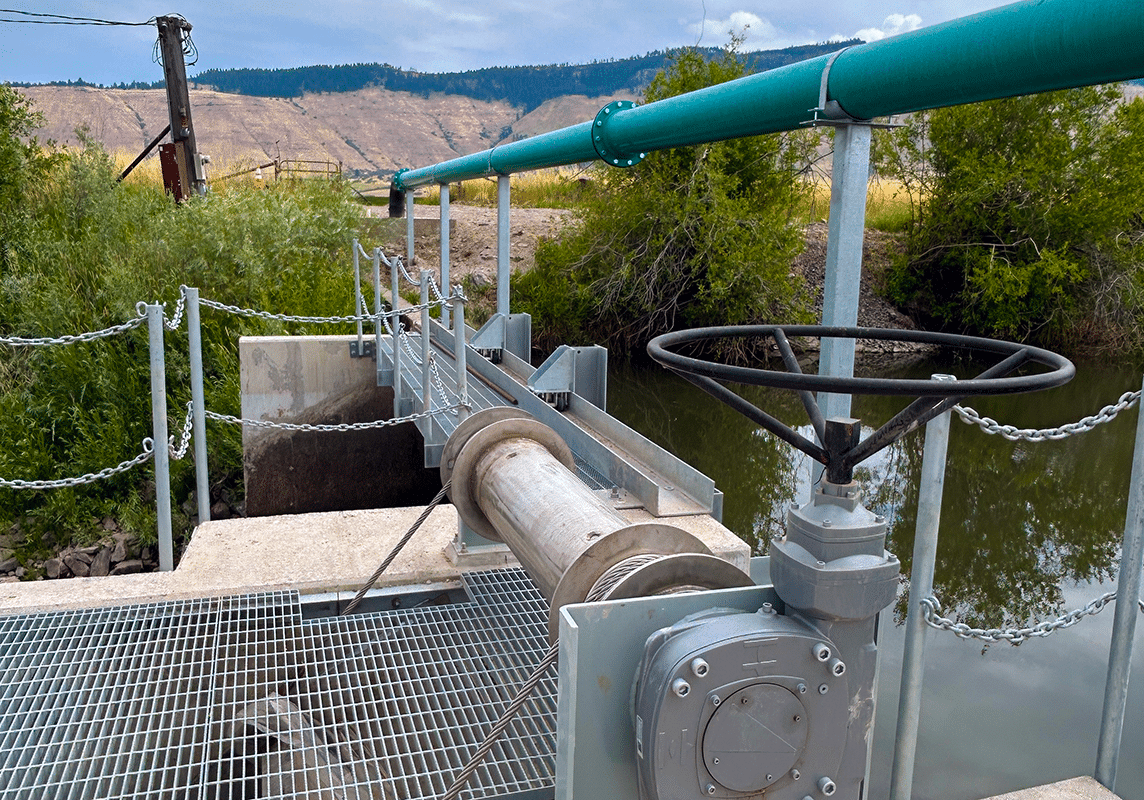
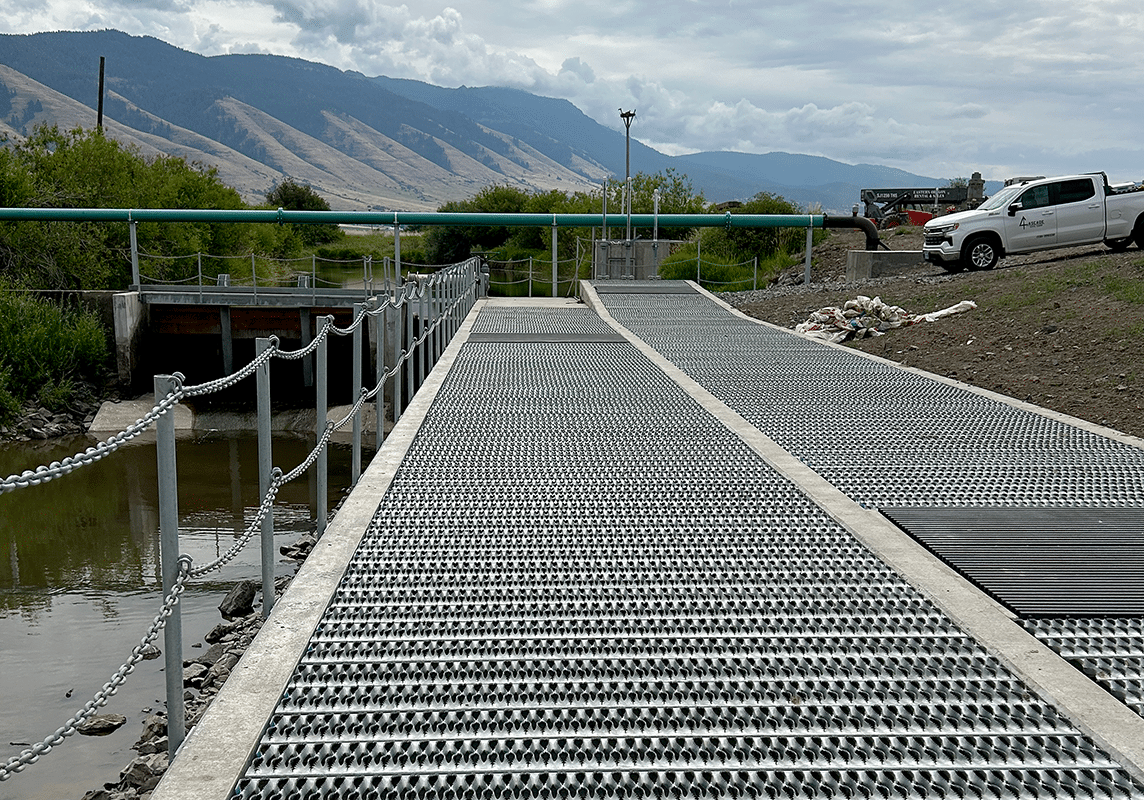
A key goal of the project was to improve and modernize the existing fish ladder to meet current Oregon and NOAA fish passage standards. Modern fish passage guidelines increasingly emphasize passage for “all species, all life stages” meaning fish passage facilities must support adults, juveniles, and weaker-swimming resident species across a range of seasonal flows.
Morrison-Maierle’s design incorporated the flexibility needed to support these changing biological and operational needs over time. The improved fishway and dam-control features allow flows and velocities to be adjusted as monitoring data, agency input, and site conditions evolve. This adaptability is especially important on a creek where fish species, flow conditions, and restoration priorities can change over the life of the structure.
The Elmer Dam Fish Passage project improves passage, in-stream habitat, and agricultural operations. For the watershed, the project improves aquatic connectivity, reduces juvenile fish stranding, supports safer upstream and downstream movement of all species and all life stages, and contributes to broader restoration goals in the Catherine Creek and Grande Ronde River system.
This project also reduces fish mortality by reducing fish entrainment into off-channel reservoirs. Our engineering design team accomplished this by removing select off-channel intakes, screening the remaining intakes, and modernizing the irrigation intake systems, intake screens, pump stations, wet wells, and related distribution improvements. These upgrades helped maintain irrigation reliability while reducing operational risk and better protecting fish from entering irrigation-related features.
Because the work had to account for fish migration, irrigation operations, high and low-flow seasons, and in-water work windows, our team designed a two-phased approach. The first phase focused on irrigation and intake improvements, including screened intakes and related infrastructure that could be completed during the non-irrigation season. This sequencing helped reduce disruption to agricultural operations while preparing the site for fishway and dam improvements.
The second phase addressed the fish passage structure and dam modifications. Temporary cofferdams, bypass facilities, and fish-protection measures allowed construction to proceed while reducing impacts to aquatic species.
As a result, this phased approach helped the team manage construction constraints, protect fish during in-water work, and maintain the project’s ecological and agricultural objectives.
A public-private partnership made this project possible. It involved Trout Unlimited, the Union Soil and Water Conservation District, the Hassinger family, and funding partners, including the NRCS and the Bonneville Power Administration. The effort is also connected to the broader Grand Ronde Model Watershed program, an interagency and community-based restoration initiative focused on improving ecosystem health in the Catherine Creek and Grande Ronde River watershed.
These partnerships were essential because the project required alignment among landowner needs, fisheries goals, permitting requirements, funding sources, construction constraints, and long-term watershed objectives. The result was a collaborative solution that improves fish passage while respecting the realities of a working agricultural landscape.
The completed Elmer Dam Fish Passage demonstrates how thoughtful engineering and strong partnerships can turn an aging diversion structure into a more flexible, fish-friendly system—one that can continue adapting to multiple species, life stages, and watershed needs over time.
* This project was awarded and completed by QRS Consulting before its 2026 acquisition by Morrison-Maierle.
Ready to learn more?

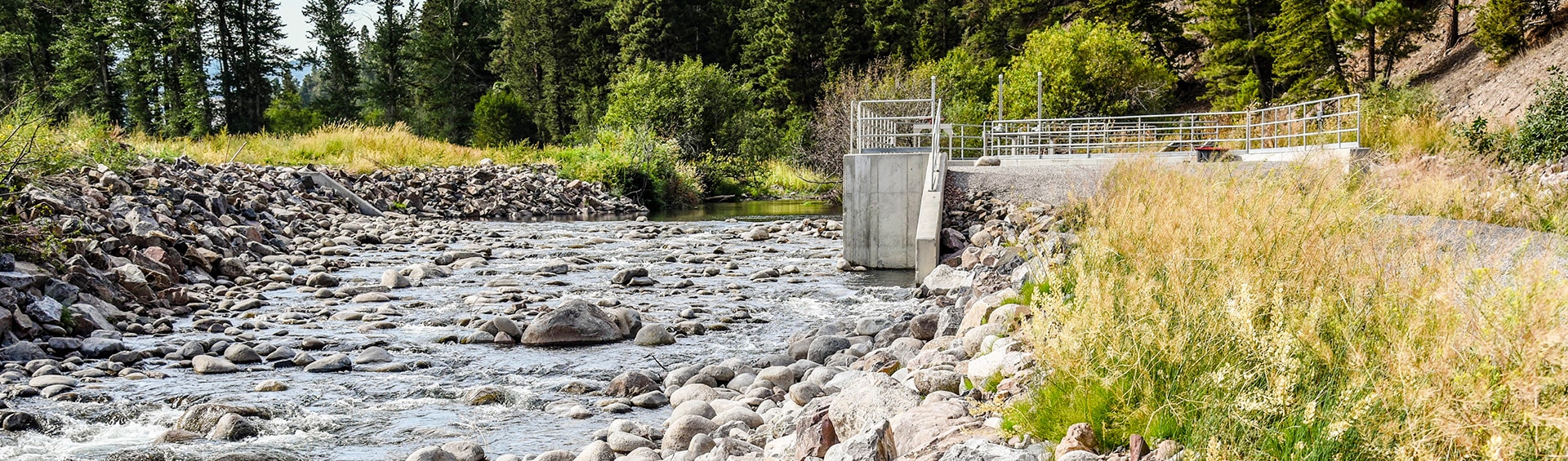
Allendale Canal and Fish Screen is part of the Flint Creek Water Project, owned by the Montana Department of Resources and Conservation (DNRC) and operated by the Flint Creek Water Users Association.
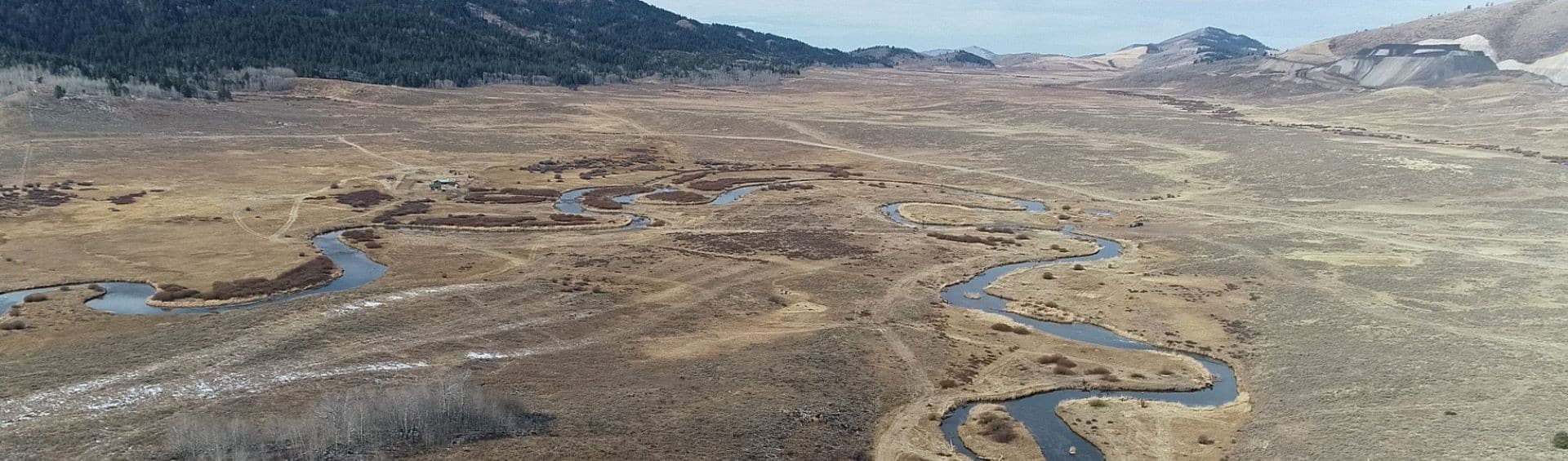
Morrison-Maierle led a collaborative, multi-phase fish habitat restoration on Idaho's Blackfoot River, rebuilding cutthroat trout habitat.
Catherine Creek Fish Passage project supports the Confederated Tribes of the Umatilla Indian Reservation’s fish trap operations.

We know that building great communities starts with teams made up of great people. If you’re exploring ways to collaborate and make an impact, join us.
Explore Career Opportunities