Shape Communities. Grow Your Career.
We know that building great communities starts with teams made up of great people. If you’re exploring ways to collaborate and make an impact, join us.
Explore Career Opportunities
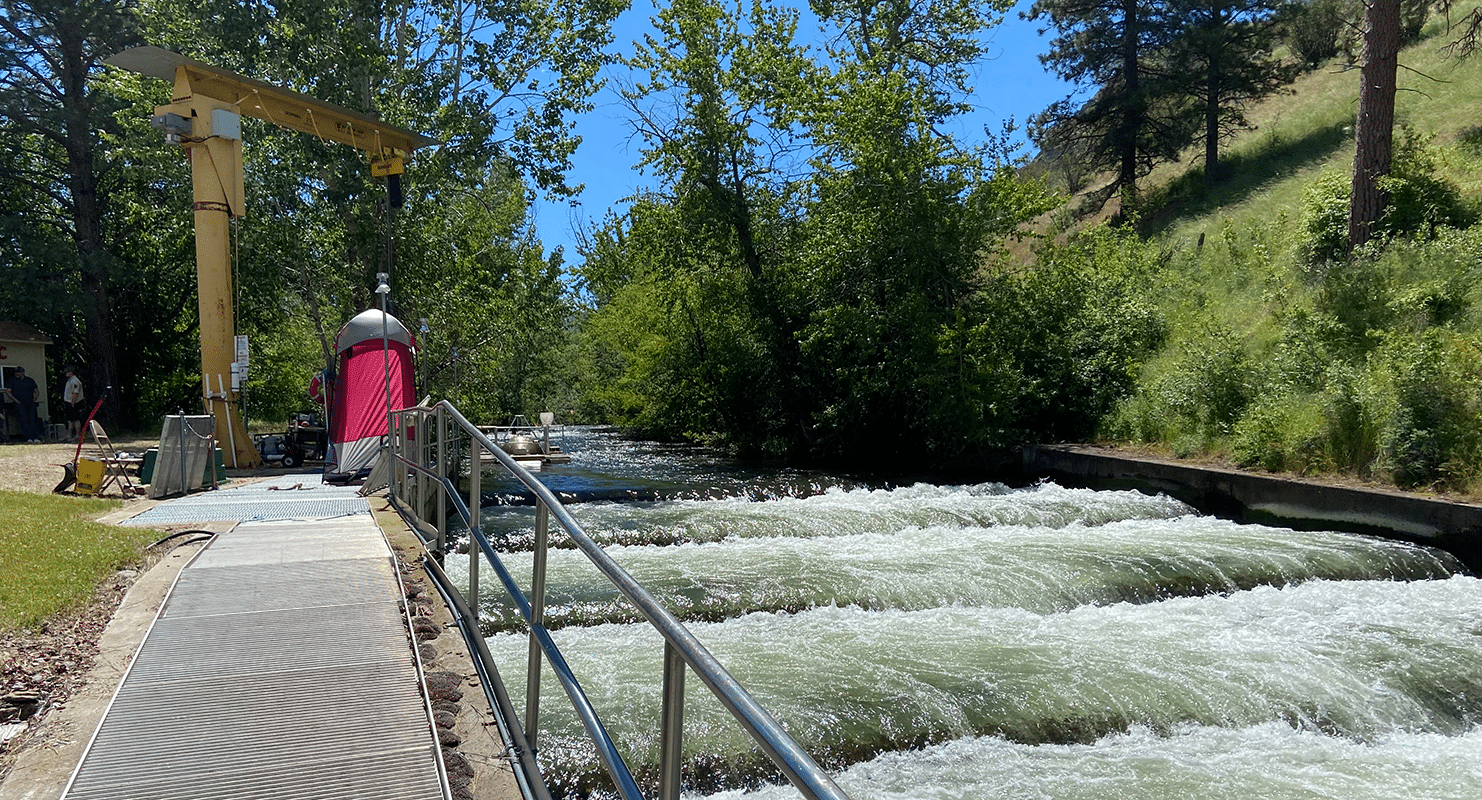
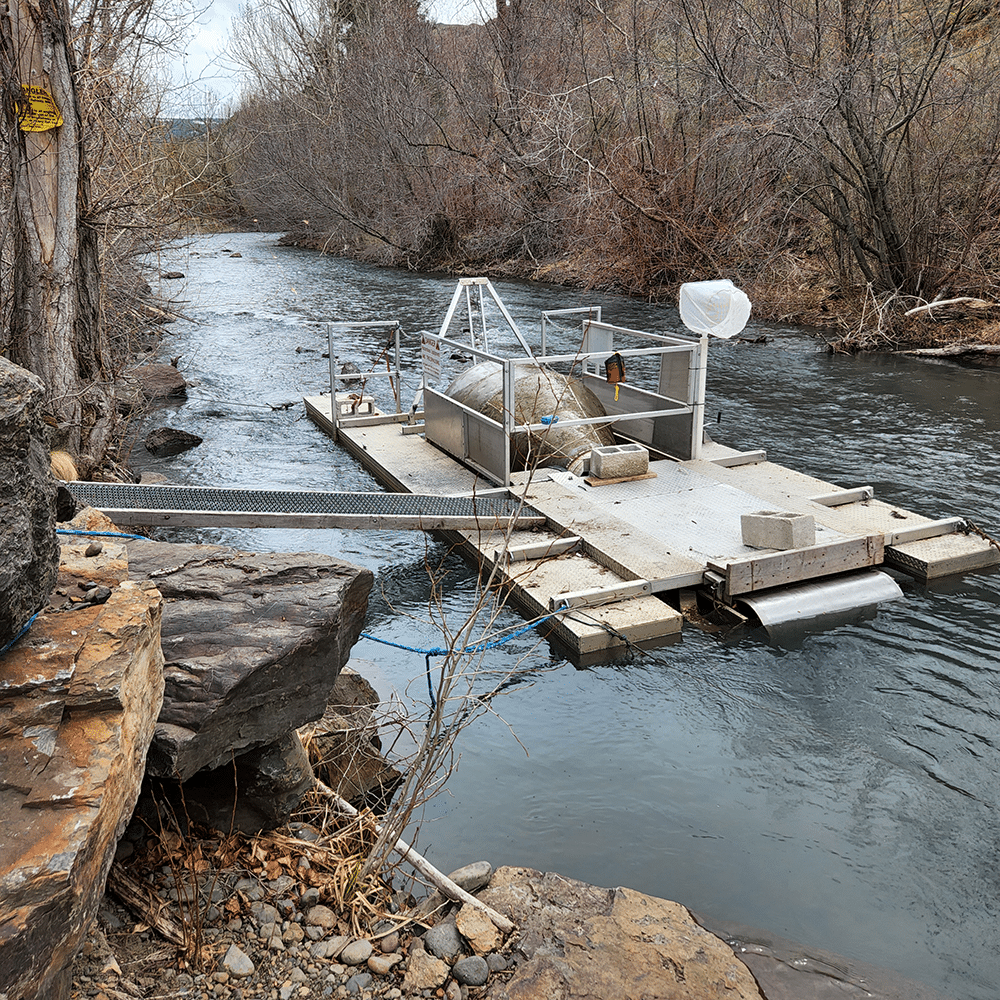
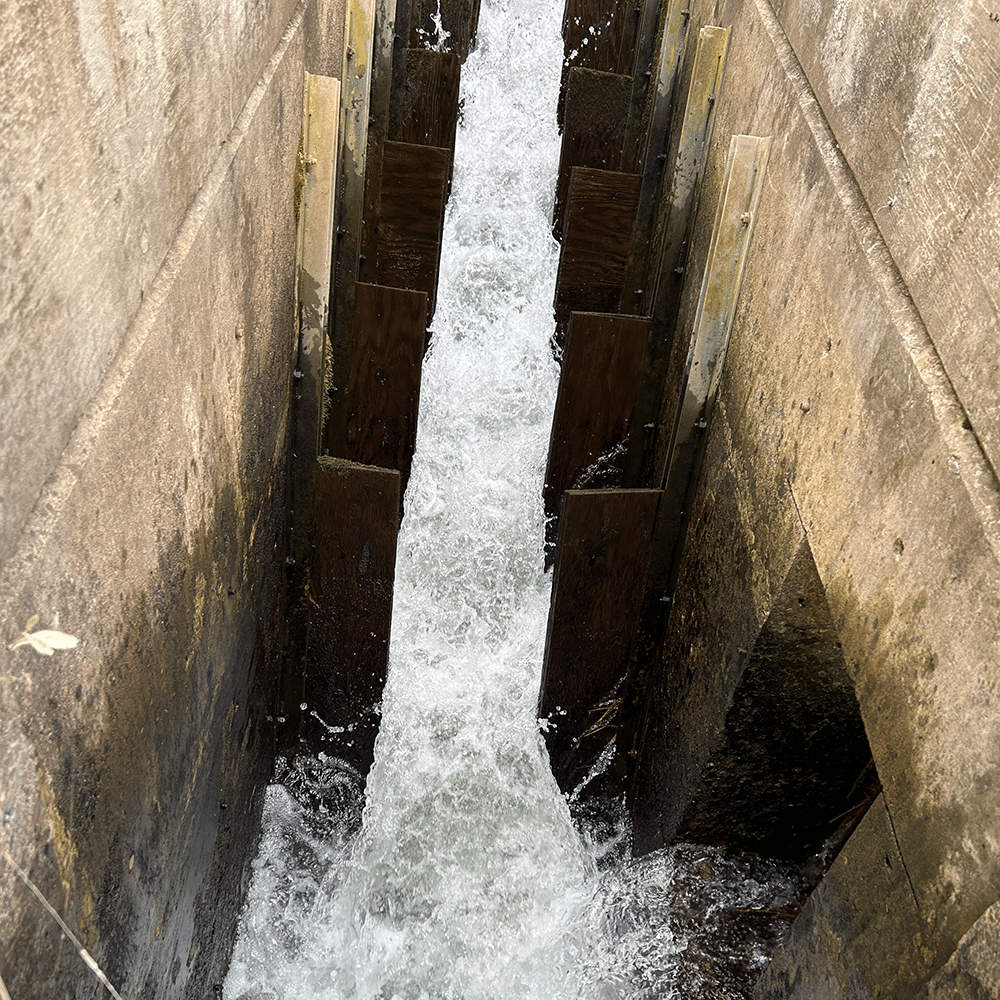
Catherine Creek is a critical tributary in Oregon’s Grande Ronde Basin, where fish passage projects are tied directly to long-term recovery goals for salmon, steelhead, bull trout, lamprey, and other native species. Within this watershed, the Catherine Creek Fish Passage project supports the Confederated Tribes of the Umatilla Indian Reservation’s fish trap operations. The facility is used to enumerate returning fish and collect salmon broodstock for hatchery programs.
Morrison-Maierle* served as the engineer on the project, providing the technical design needed to improve fish passage functionality while supporting the biological, operational, and watershed-monitoring goals of the fish trap. The work required close coordination between fisheries biology and engineering design. Biological objectives defined the species, life stages, seasonal timing, and operational needs of the facility, while Morrison-Maierle’s role was to translate those requirements into hydraulics, velocities, elevations, adjustable controls, and constructible infrastructure that will achieve passage and trapping functions for the Tribe.
The project is part of a broader restoration context in the Grande Ronde Basin, where historic channel modifications have altered the channel form and ecological function. Decades ago, large portions of the Grande Ronde River system were straightened to reclaim agricultural land from a wide, meandering wetland complex. Catherine Creek, a smaller tributary, now interacts with portions of that modified landscape in ways that do not fully match the processes that originally shaped the floodplain. That history has contributed to degraded habitat conditions and made passage, screening, monitoring, and restoration projects especially important for reconnecting habitat and improving watershed health.
Unlike nearby Elmer Dam Fish Passage—another Catherine Creek-area project within the broader restoration program—the Catherine Creek Fish Passage project is centered on the Tribes’ fish trap. The distinction matters because while Elmer Dam addressed the passage around a privately owned low-head dam and associated irrigation infrastructure, the Catherine Creek Fish Passage project focuses on improving the trap facility itself, where fish are counted, sorted, and in some cases removed for selective breeding, while improving passage for all species and all life stages. Because restoration outcomes elsewhere in the basin are evaluated in part by fish counts at the trap, the facility is both a passage project and a monitoring asset.
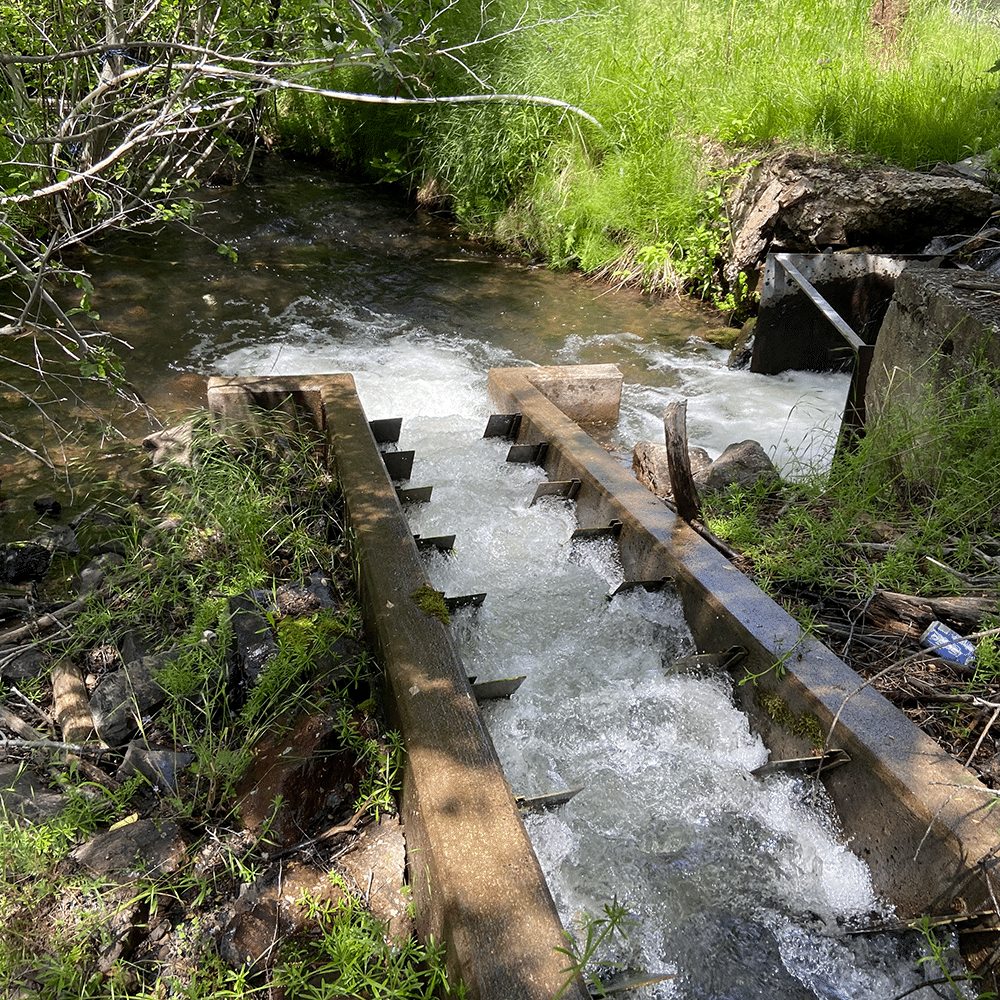
For fish passage practitioners, one of the most important design themes is the industry’s continuing shift from emphasis on passage for adult salmonids to passage for all species and all life stages. Traditional fish ladders and trap entrances have often been designed around adult salmon and steelhead. Those fish are attracted to and can swim into strong attraction flows, and design criteria commonly emphasize entrance velocities and turbulence levels intended to guide strong-swimming adults upstream. However, weaker-swimming species and life stages—including juveniles, lamprey, resident trout, and other native fish—may not be able to use the same hydraulic conditions effectively.
Morrison-Maierle’s engineering design needed to account for those differences. The design approach emphasized hydraulic flexibility so the facility could be adjusted as monitoring data, agency priorities, and operational needs evolve. Adjustable components such as gates and stop logs allow operators to increase or decrease velocities, modify flow distribution, and tune the facility to different seasonal conditions or target species. This adaptability is essential because fish passage facilities are long-lived assets, while biological understanding, regulatory expectations, and recovery priorities continue to change over time.
Want to learn more about our fisheries services?On this project, the engineering design also had to support the daily realities of fish handling and operations. Steelhead may be counted and passed upstream without removal, while a portion of returning salmon may be collected for hatchery use. The facility, therefore, needed to help guide fish into the trap and allow operators to manage different species and program objectives safely and efficiently. Hydraulic design, flow control, structural layout, and operational access all influence those biological and management goals.
Morrison-Maierle’s work required a clear understanding of the site’s role within the larger restoration program. The Catherine Creek Fish Passage project is connected to efforts led by the Confederated Tribes of the Umatilla Indian Reservation, the Grande Ronde Model Watershed, the Bonneville Power Administration, Trout Unlimited, the Bureau of Reclamation, Oregon Department of Fish and Wildlife, local stakeholders, landowners, and other partners working to improve ecosystem health in the Grande Ronde and Catherine Creek watersheds. Because the trap provides monitoring data used to assess restoration outcomes, the engineering design needed to support not only immediate passage performance but also the long-term reliability of the data and operations tied to the facility.
*This project was designed by QRS Consulting, which is now part of Morrison-Maierle as a result of its 2026 acquisition.
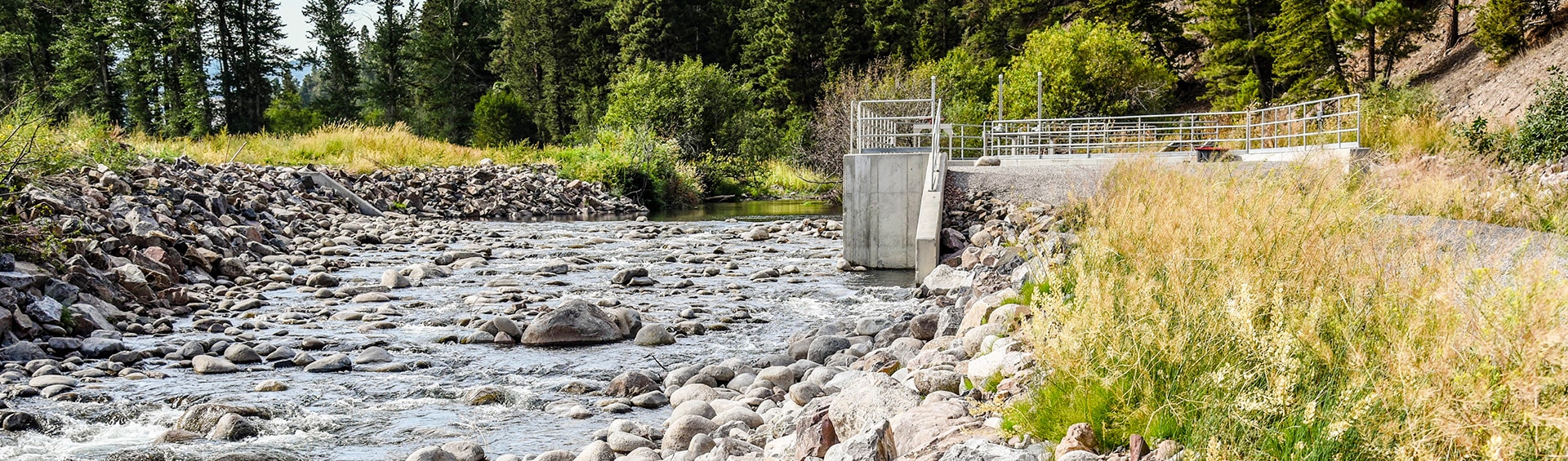
Allendale Canal and Fish Screen is part of the Flint Creek Water Project, owned by the Montana Department of Resources and Conservation (DNRC) and operated by the Flint Creek Water Users Association.
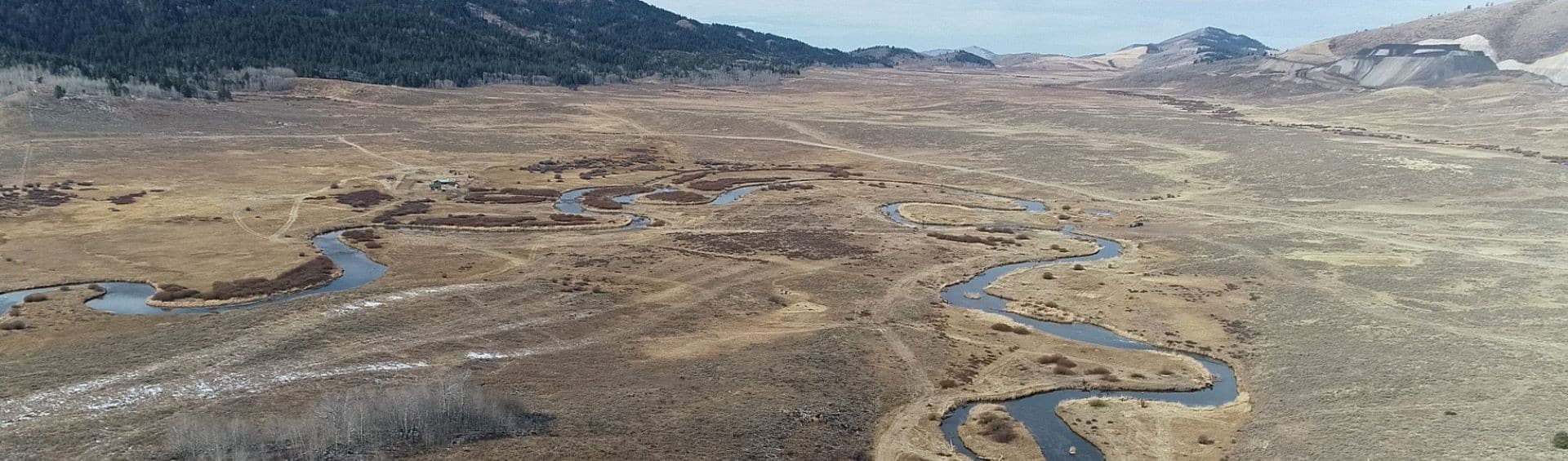
Morrison-Maierle led a collaborative, multi-phase fish habitat restoration on Idaho's Blackfoot River, rebuilding cutthroat trout habitat.
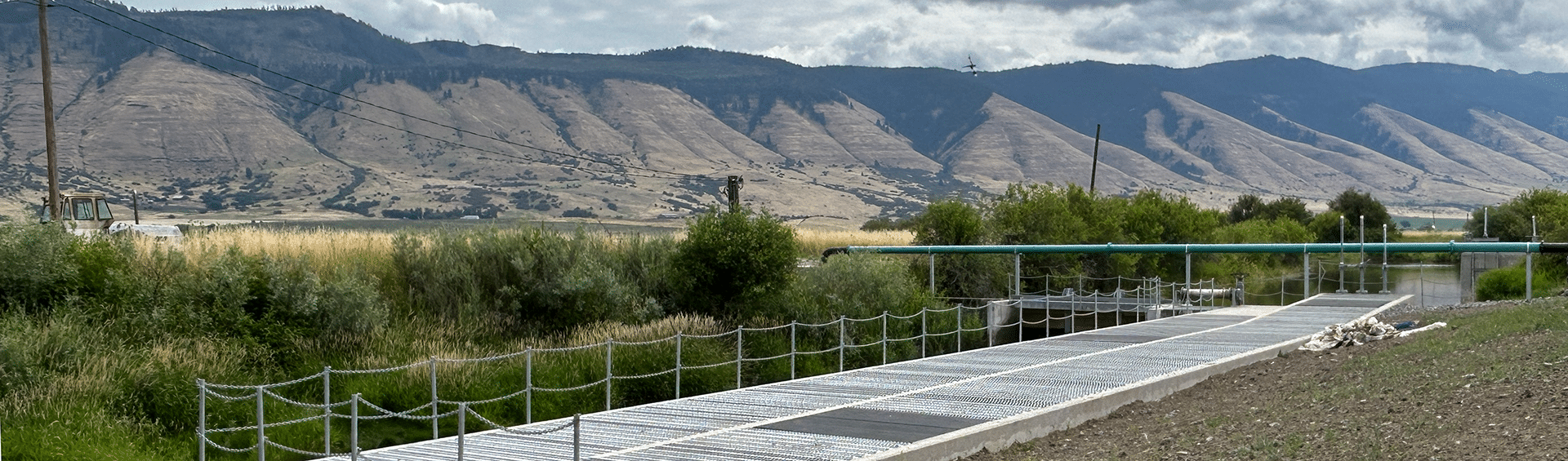
Located near La Grande, Oregon, the Elmer Dam Fish Passage project helps reconnect fish habitat in upper Catherine Creek while supporting the irrigation needs of a working agricultural property.

We know that building great communities starts with teams made up of great people. If you’re exploring ways to collaborate and make an impact, join us.
Explore Career Opportunities