Shape Communities. Grow Your Career.
We know that building great communities starts with teams made up of great people. If you’re exploring ways to collaborate and make an impact, join us.
Explore Career Opportunities
If your project involves wetlands, a recent memo from the U.S. Environmental Protection Agency (EPA) and the U.S. Army Corps of Engineers (USACE) could significantly impact your permitting strategy. While not a rule yet, this effective-immediately guidance significantly narrows the scope of wetlands regulated under the Clean Water Act (CWA). Here are some key things about this action, such as what changed, what stayed the same, and where to go from here.
As of March 12, 2025, the EPA and USACE clarified their interpretation of jurisdictional wetlands under the CWA. Starting now and effective immediately, the memo restricts jurisdiction to wetlands that meet the following criteria:
This guidance significantly narrows federal wetland protections by limiting jurisdictional wetlands to those with a direct, continuous surface connection to a navigable waterway. While this guidance isn’t a rule yet, it signals the agencies’ intention to publish a rule soon.
Wetlands that directly abut jurisdictional waters (like navigable rivers and streams) will remain regulated under Section 404 of the CWA. In addition, tributaries with relatively permanent flow most of the year are still considered jurisdictional under the current interpretation.
If your project includes wetlands, it’s more important than ever to understand how jurisdiction is determined—and how policy changes may affect timelines and permit requirements.
A jurisdictional wetland is a wetland regulated under the Clean Water Act because it meets the legal definition of a “Water of the United States” (WOTUS). This is a policy and regulatory determination.
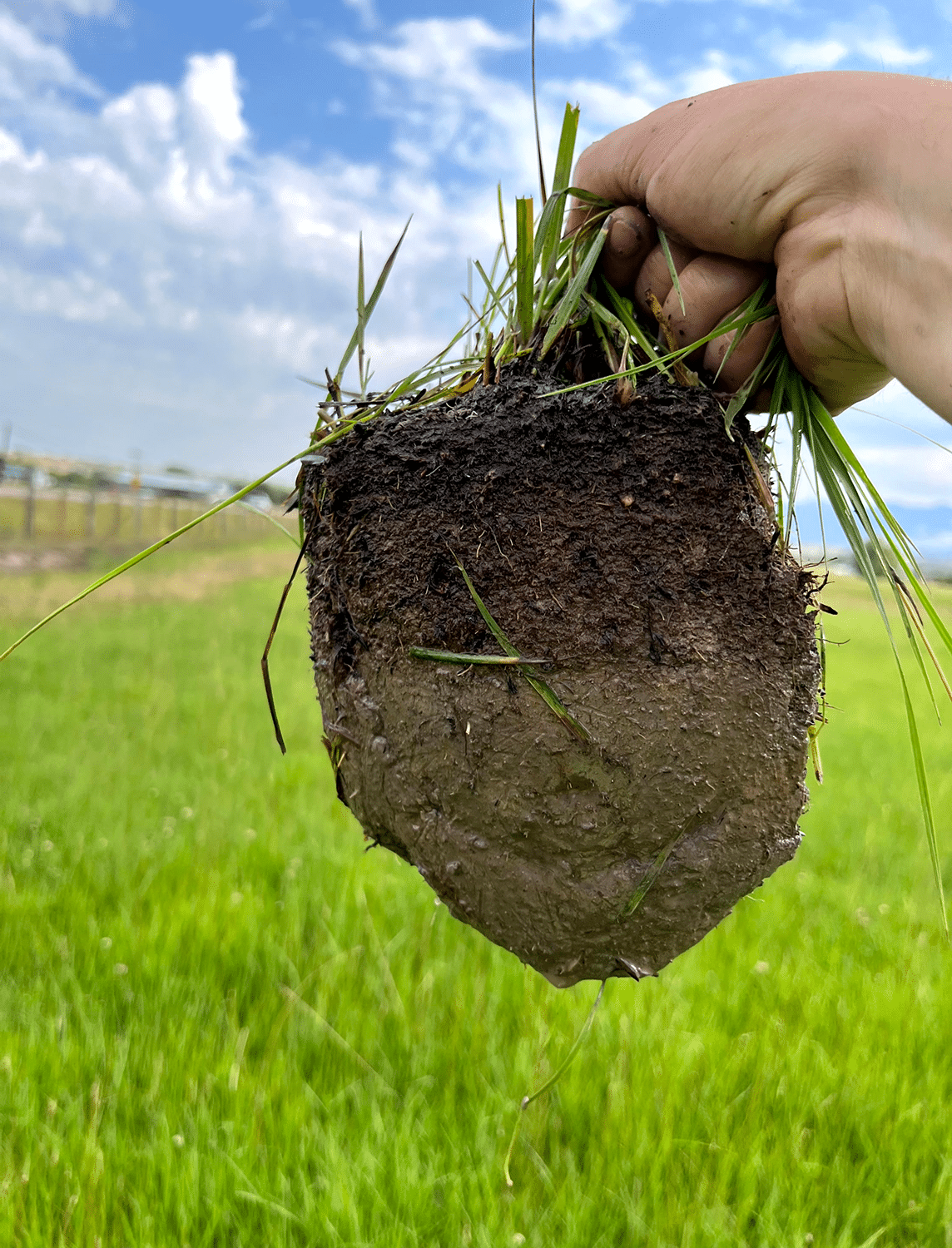
While a site may meet the scientific criteria for wetland conditions (hydric soils, wetland hydrology, hydrophytic vegetation), it is only considered jurisdictional if it meets specific legal and policy standards established by the EPA and USACE. Only those agencies make the final determination.
Jurisdictional wetlands are regulated under Section 404 of the Clean Water Act and require a permit for activities that involve excavating or placing fill material in the wetland or excavating from it.
The 1972 amendments to the Clean Water Act established federal jurisdiction over “navigable waters,” defined in the Act as the “waters of the United States” (CWA Section 502(7)). Many Clean Water Act programs apply only to “waters of the United States.” EPA and the U.S. Department of the Army (Army) have defined “waters of the United States” in regulations since the 1970s.
The Clean Water Act (CWA) establishes the basic structure for regulating discharges of pollutants into the waters of the United States and regulating quality standards for surface waters. The basis of the CWA was enacted in 1948 and was called the Federal Water Pollution Control Act, but the Act was significantly reorganized and expanded in 1972. “Clean Water Act” became the Act’s common name with amendments in 1972.
Section 404 of the Clean Water Act (CWA) establishes a program to regulate the discharge of dredged or fill material into waters of the United States, including wetlands. Activities in waters of the United States regulated under this program include fill for development, water resource projects (such as dams and levees), infrastructure development (such as highways and airports) and mining projects. Section 404 requires a permit before dredged or fill material may be discharged into waters of the United States, unless the activity is exempt from Section 404 regulation (e.g., certain farming and forestry activities).
We understand that changes to federal laws often create more questions than answers. If you haven’t done so already, a great place to start is to ask yourself the following questions:
We can help you answer these questions. Our environmental team monitors federal guidance and coordinates directly with USACE and state agencies to support your project through the regulatory process.
Give us a call—we can help you navigate the complicated world of wetland and stream permitting!
Contact our environmental science team
As an environmental scientist, Faith Doty develops solutions that balance environmental compliance with project goals. She specializes in wetland delineation and the Clean Water Act.
Learn more about Faith
We know that building great communities starts with teams made up of great people. If you’re exploring ways to collaborate and make an impact, join us.
Explore Career Opportunities