Shape Communities. Grow Your Career.
We know that building great communities starts with teams made up of great people. If you’re exploring ways to collaborate and make an impact, join us.
Explore Career Opportunities
The Confederated Salish and Kootenai Tribes (CSKT) was awarded a grant under the Tribal Broadband Connectivity Program (TBCP) from the US Department of Commerce, National Telecommunications and Information Administration (NTIA). The project’s goal is to provide high-quality broadband internet access to Native households, businesses, and anchor institutions located within the boundaries of the Flathead Indian Reservation.
In 2021, the CSKT IT Department surveyed internet users throughout the Reservation. Results showed that only 50% of the communities had access to broadband internet with qualifying speeds. Communities with access to qualifying-speed internet paid nearly double the monthly national average. The COVID-19 pandemic illuminated how critical reliable broadband internet is for families and businesses on the Reservation. Without it, many Native households and businesses cannot function in the changing and ever-increasingly technologically connected day-to-day life.
To receive grant funding and move forward with engineering design and construction, the project needed to meet the National Environmental Policy Act (NEPA) requirements. CSKT contracted Morrison-Maierle to complete the environmental review for the CSKT Broadband Infrastructure Project Environmental Assessment.
National Environmental Policy Act (NEPA) review of the project
Wetland delineation over 270 linear miles
Endangered species review
Coordinate tribal cultural resources
Coordinate state and federal resources
Working within multiple jurisdictions
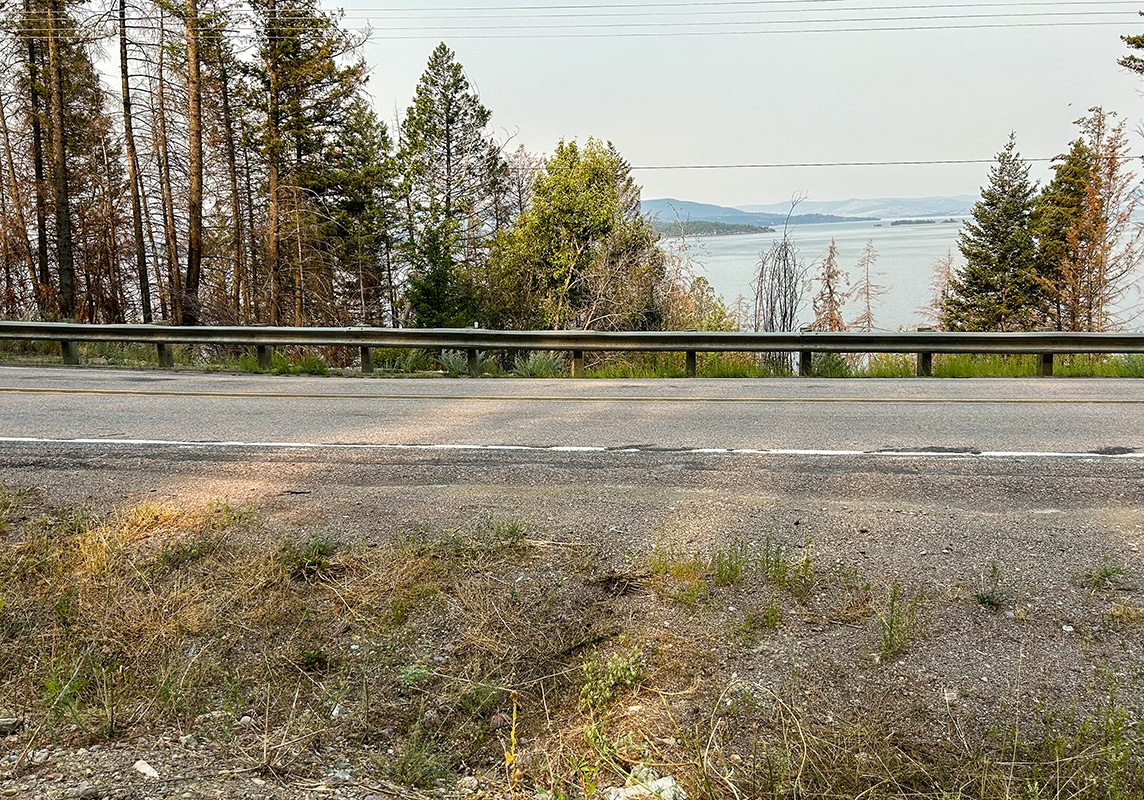
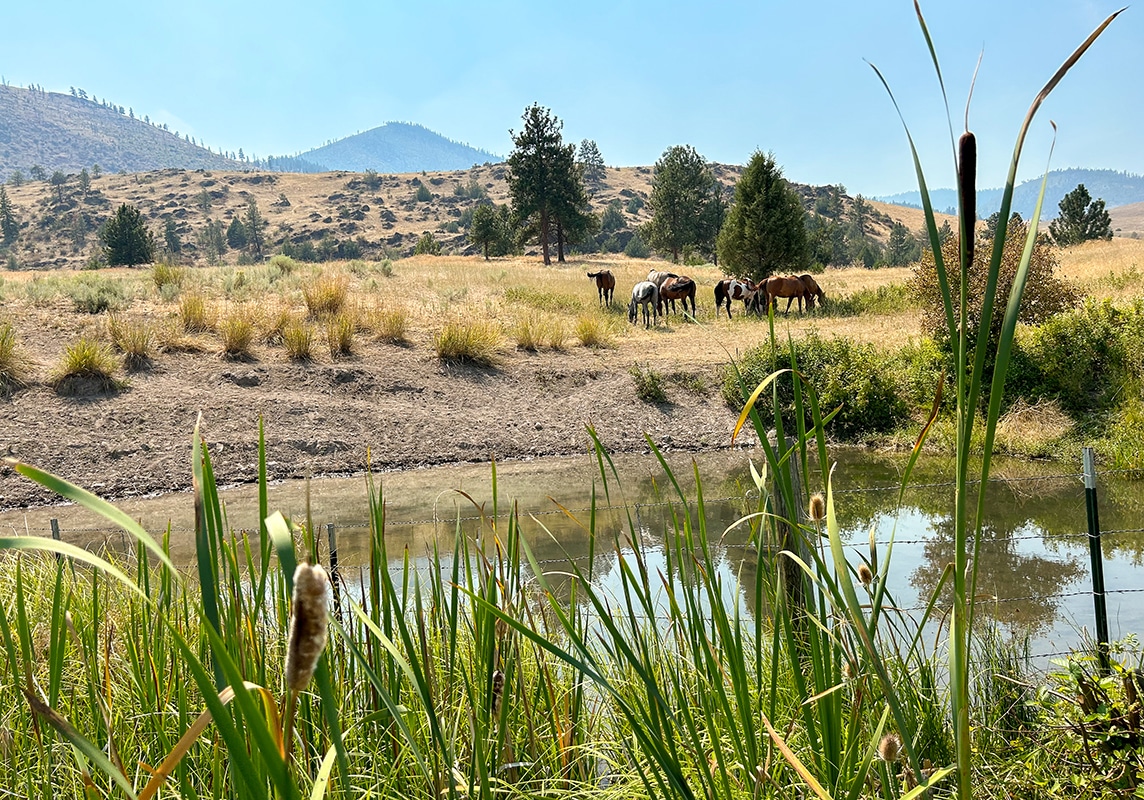
The purpose of the NEPA process is to evaluate all environmental considerations for a proposed project. Because the Flathead Indian Reservation provides habitat for federally listed and endangered species, we worked with tribal biologists to organize the project locations in a way that would reduce impacts on fish and wildlife.
The fiber optic route includes a combination of overhead lines attached to power line poles and buried lines with no overhead power. We completed a large-scale wetland delineation of all buried routes. This information will be used during engineering design to minimize wetland impacts.
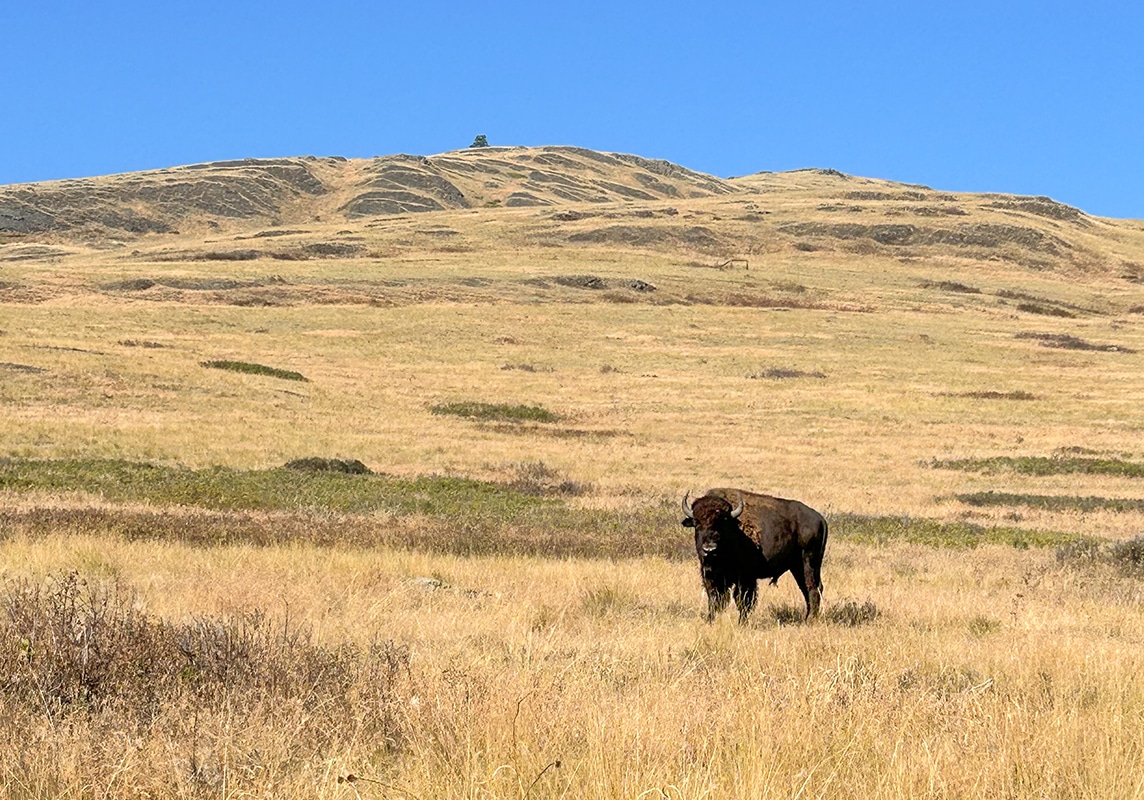
Because the fiber optic line was also installed on the Bison Range, we worked with the range’s biologist and botanist to ensure that the contractor requirements included strict adherence to a noxious weed prevention plan.
This project exemplifies how advanced planning and holistic design can work together to create positive benefits for wildlife, companies, and the community. We found that in many cases, provisions already in place can help tribal communities advance in areas like technology development while maintaining environmental goals.
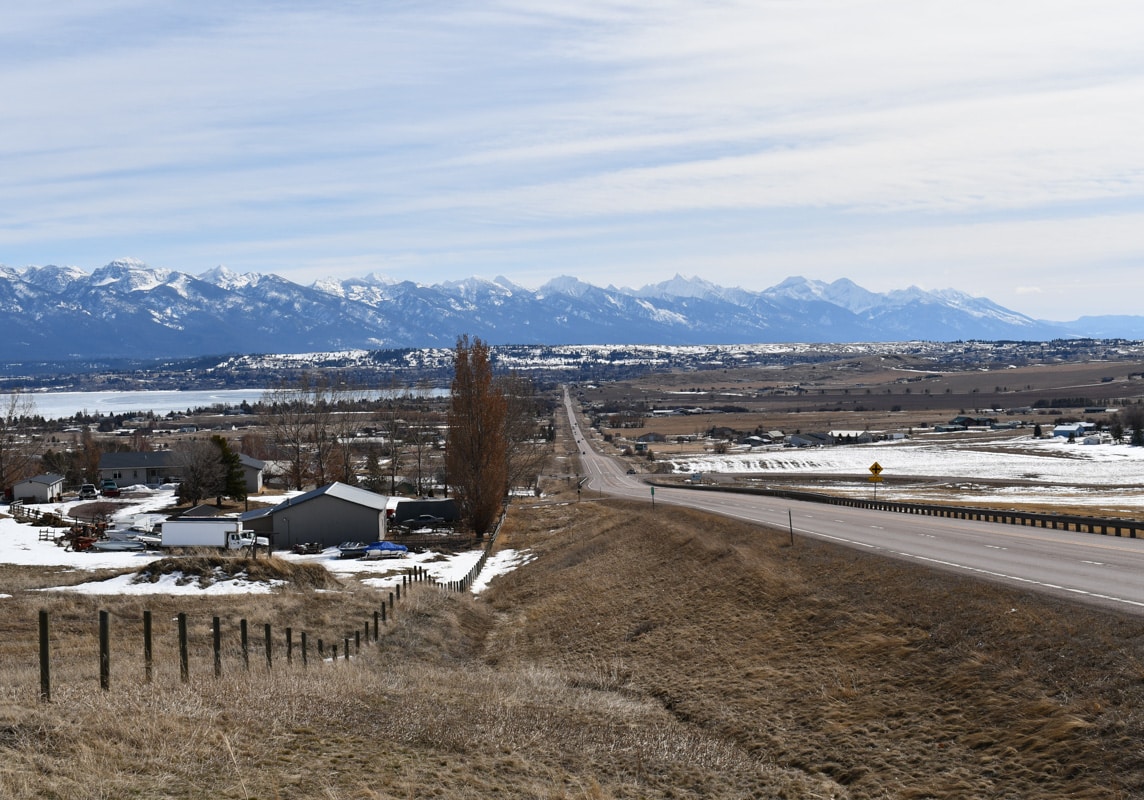
The project involved a wide array of stakeholders, including federal and state officials, several Tribal entities and departments, and Bison Range staff. We worked closely and coordinated with multiple agencies to develop solutions that met everyone’s needs.
In the future, we will use the collaboration techniques we employed through this project to help streamline projects with multiple stakeholders. With advanced planning, we can ensure everyone has the same expectations during the process.
One example of meeting stakeholder needs comes from the infrastructure design. The project used a 150-foot monopine tower instead of a typical, more industrial-looking tower to lessen the visual impact of the heavy broadband equipment. The monopine-style tower imitates a pine tree to maintain the aesthetics of the Mission Mountains and forested foreground. The broadband tower strengthens internet signals for users who don’t have the opportunity to have direct fiber connections.
With high-speed and reliable internet, the Reservation will have better communication in the public safety sector, improved business outcomes, workforce development, and opportunities for telecommuting and telehealth.
Learn more about our regulatory compliance and permitting capabilities.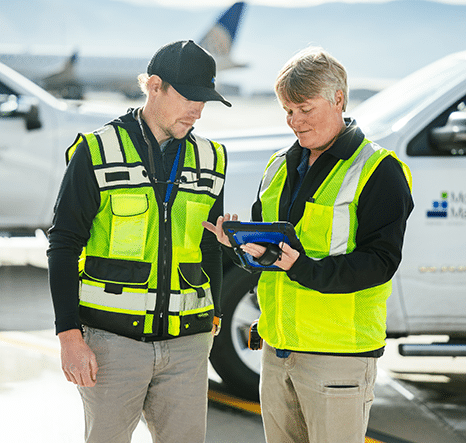
We know that building great communities starts with teams made up of great people. If you’re exploring ways to collaborate and make an impact, join us.
Explore Career Opportunities