Shape Communities. Grow Your Career.
We know that building great communities starts with teams made up of great people. If you’re exploring ways to collaborate and make an impact, join us.
Explore Career Opportunities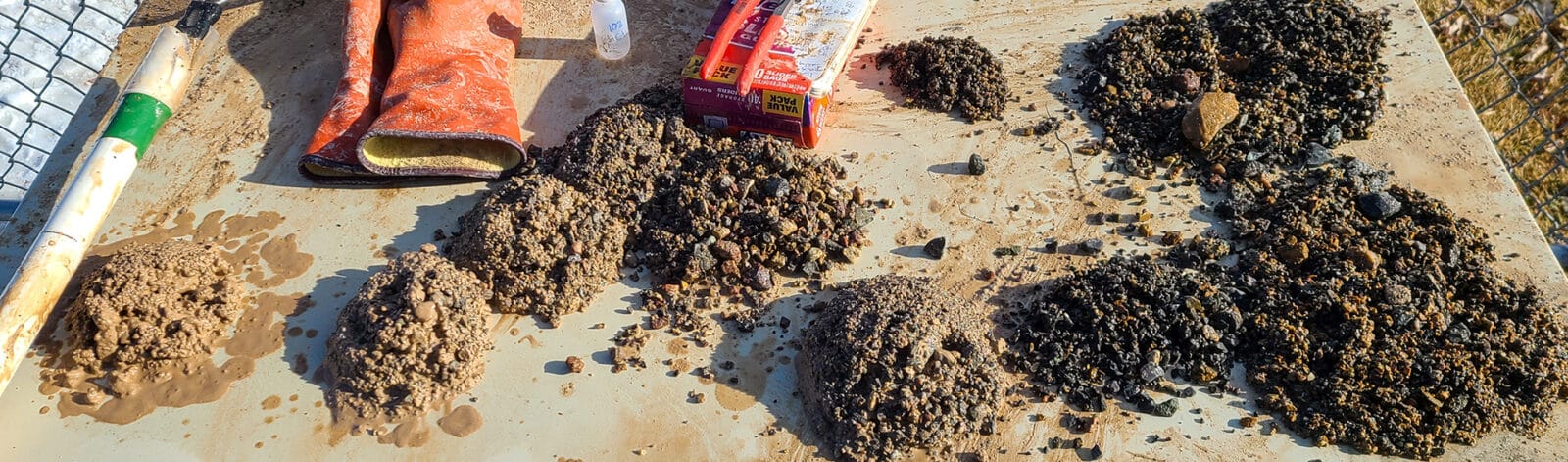
The City of Helena faces a common challenge with many growing communities in the West: securing long-term, reliable water supplies in an era when new water rights are almost impossible to obtain and drought and wildfire dangers are becoming more prevalent. The city already held a valuable reservation for groundwater rights, but they were underutilized and subject to an approaching expiration date.
To protect and maximize these rights, Helena partnered with Morrison-Maierle to conduct a hydrogeologic study, test well program, and planning effort that would determine how to expedite new groundwater production wells and integrate them into the city’s water system.
The goal was twofold: to safeguard Helena’s water rights before they were set to expire (originally in December 2025) and to set the community up for future growth and resiliency. By diversifying beyond surface water sources, Helena could reduce its vulnerability to events such as wildfires, improve water quality and taste for residents, and enhance the water system to meet the demand for decades to come.
Bidding and contractor coordination
Construction administration
Hydrogeology
Report and recommendations
Survey
Water system planning

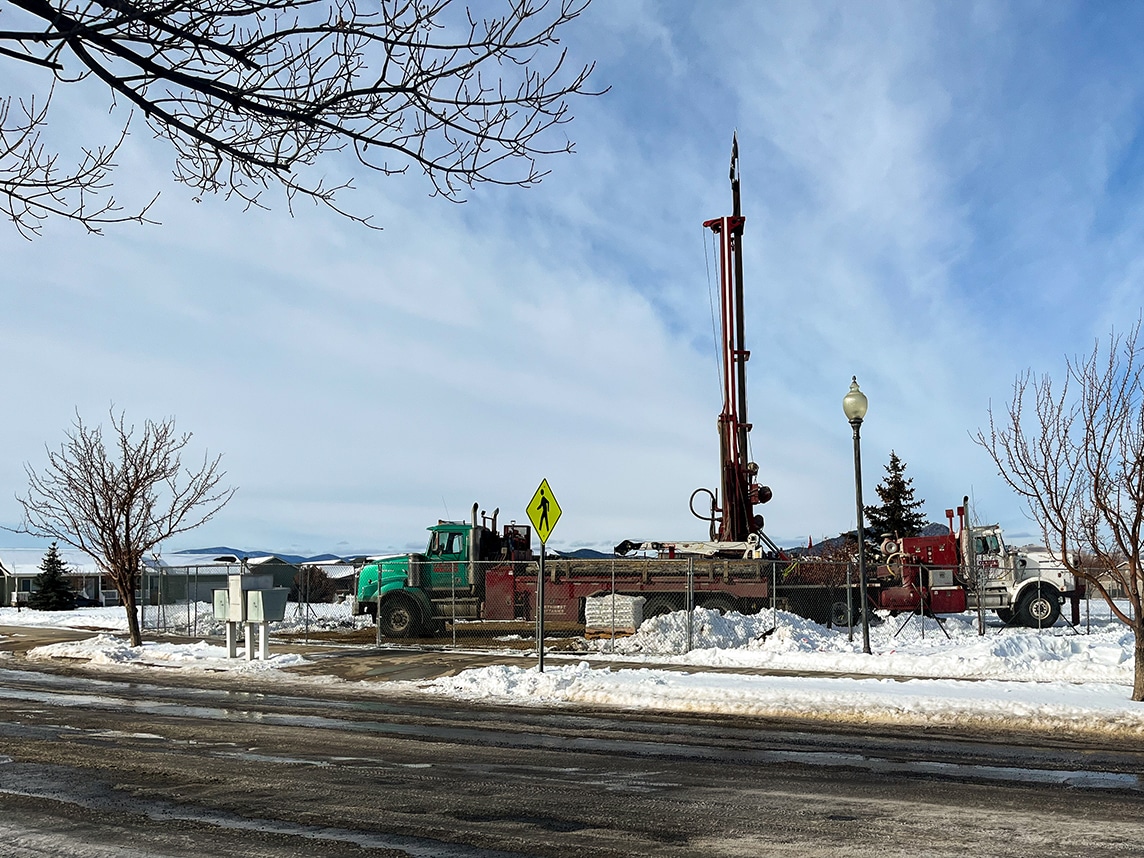
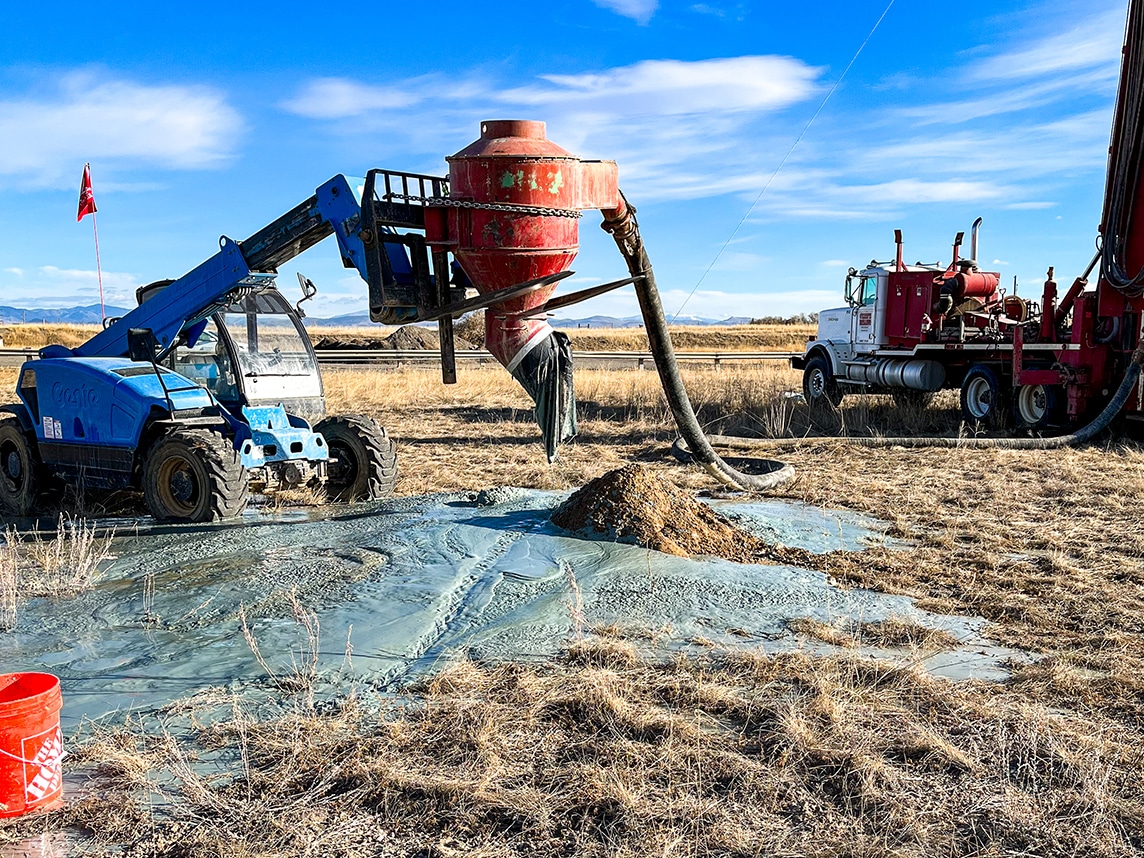
The project began by analyzing city- and county-owned properties, overlaying geology and water source data, and narrowing the list of potential sites. Because well placement involved subjective considerations (such as visual impacts or long-term park use), city staff input was essential. Ultimately, the team drilled and tested wells at 11 locations.
Instead of locking into a rigid drilling plan, we used a flexible, data-driven approach. Based on hydrogeologic results, test wells were added, relocated, or eliminated in real time. This adaptive method allowed the team to maximize efficiency, conserve resources, and increase the chances of finding viable groundwater sources. These tests showed three areas where multiple production wells could be developed into well fields.
This project demonstrated the value of using publicly available land to launch hydrogeologic studies when possible. The entire test well program was designed to minimize upfront investment while maximizing long-term value. Drilling lower-cost test wells first allowed the city to make informed decisions about where to spend money on larger production wells.
Additionally, by testing on city-owned sites first, engineers avoided delays associated with private easement acquisition, a common time barrier encountered in other projects. This lesson provides a roadmap for other communities seeking to maximize water supply options without long delays.
The project required extensive coordination with various city staff, including representatives from the airport, the golf course, the county, and the parks department, to balance technical feasibility with community use and aesthetics.
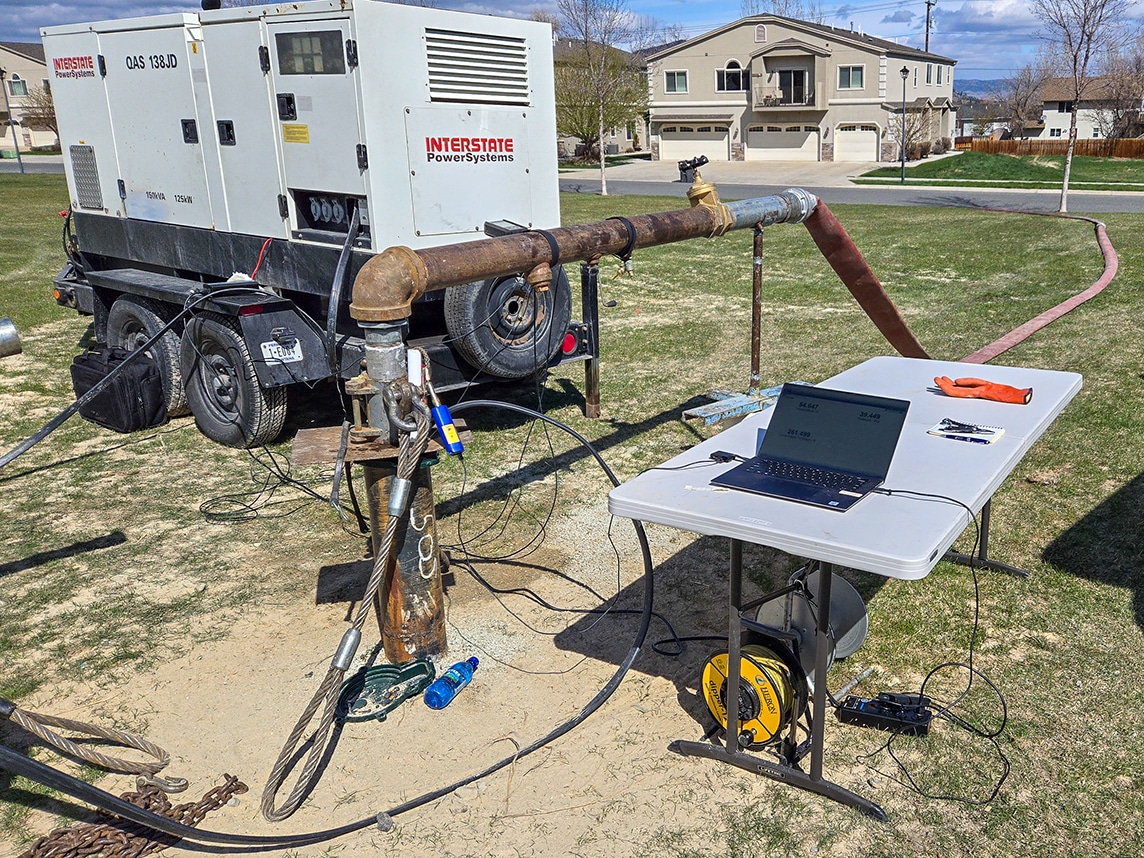
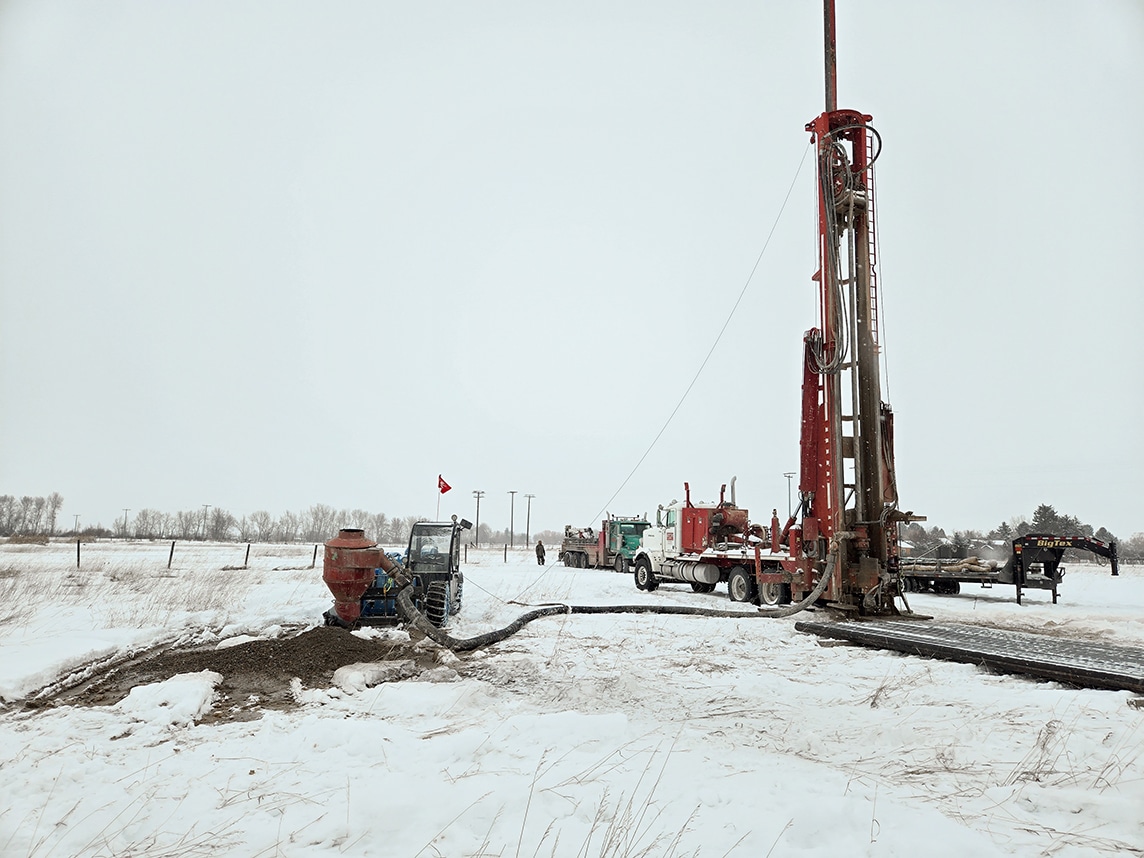
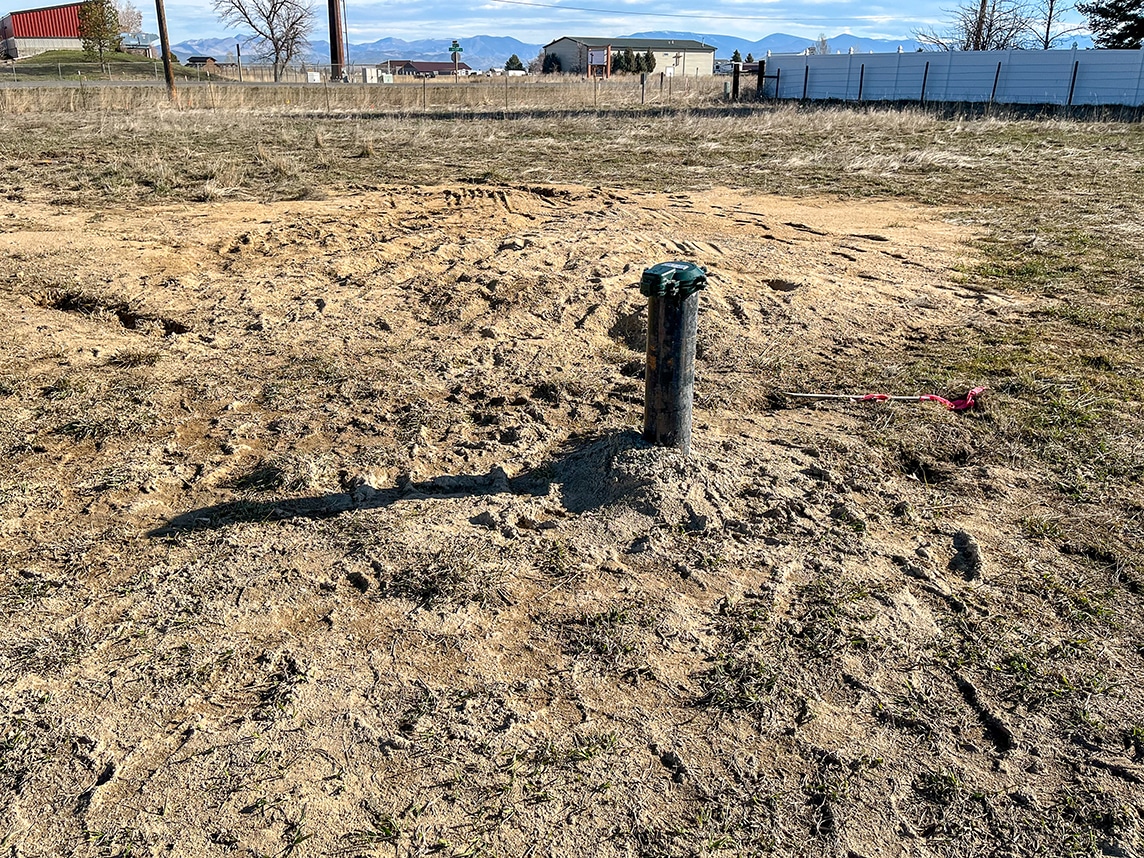
Even when a site did not produce enough yield for a municipal supply well, those wells that had a possible backup use plan were not wasted. In parks and at the golf course, smaller wells were repurposed for irrigation.
Repurposing test wells for irrigation prevents parks from using fully treated drinking water for landscaping, thereby saving treatment costs and preserving potable supplies for human consumption. These measures contribute to a water system that is both economically and environmentally sustainable.

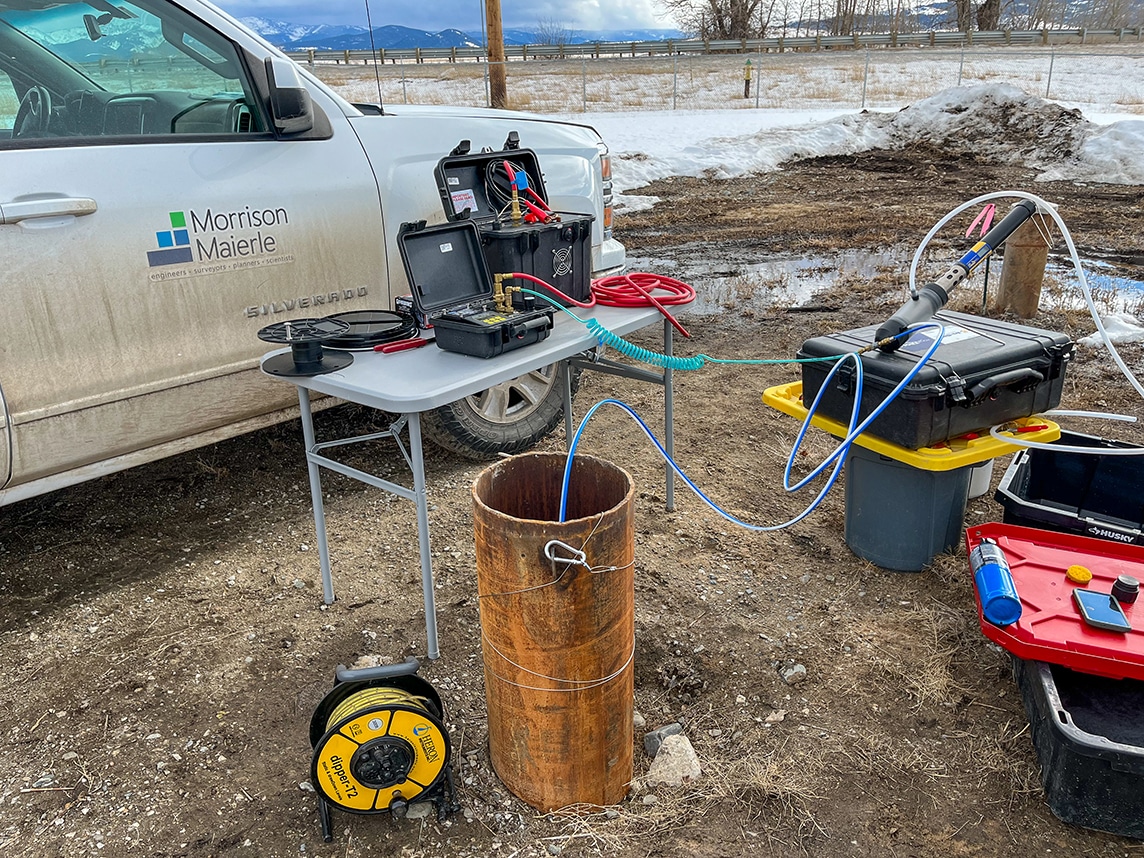
Ultimately, the study recommended 13 production wells in three areas that will provide Helena with a sustainable, cost-effective, and resilient water supply. The project was directly tied to community resiliency and quality of life. By securing a reliable groundwater source, Helena is less vulnerable to disruptions from drought, wildfire, or other emergencies that could affect surface water supplies.
Learn more about our water management services.
In response to its expanding population, Morrison-Maierle designed a major enhancement for the Lockwood Water and Sewer District's treatment facility.
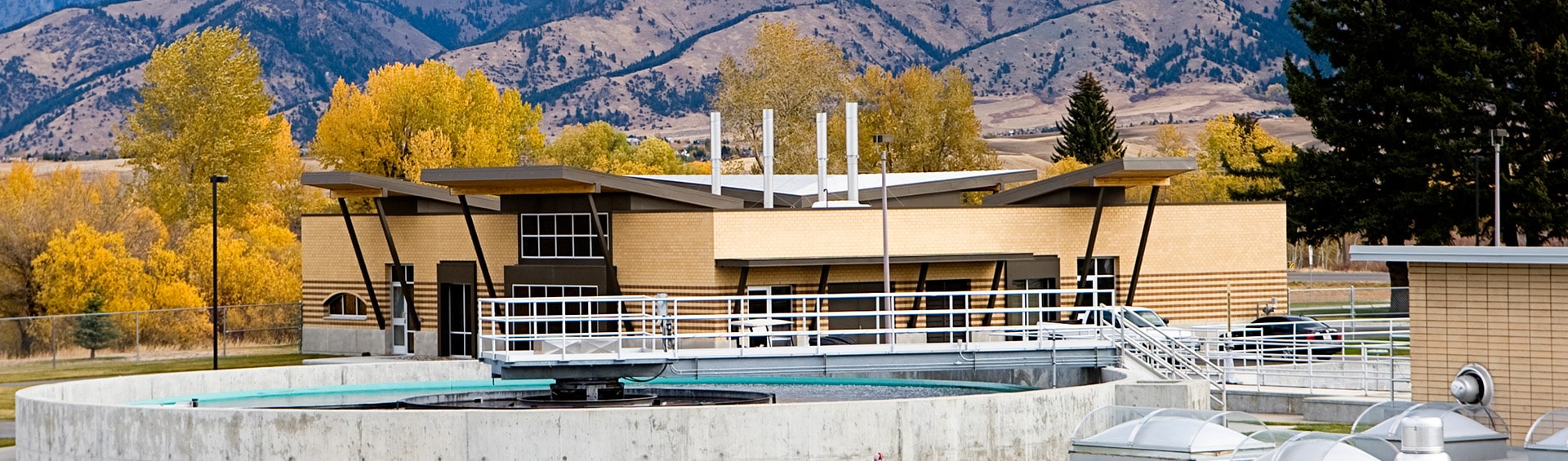
The Bozeman Water Reclamation Facility has an advanced nutrient removal bioreactor and treats and reclaims wastewater to the levels needed to meet the area's effluent limits.
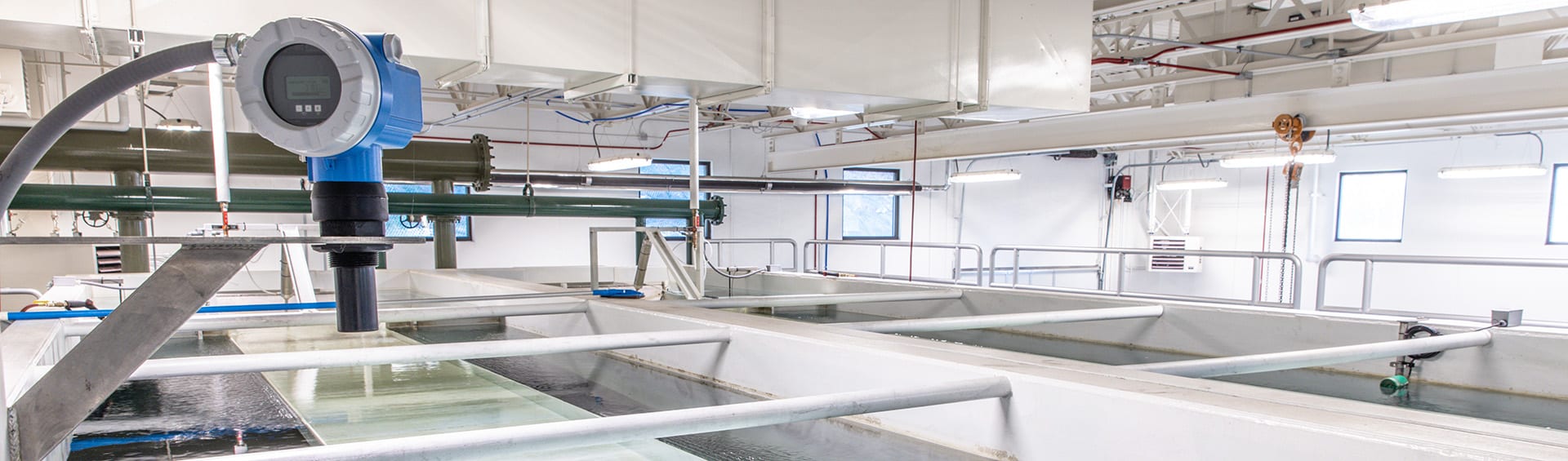
The Whitefish WTP Expansion project shows how necessary upgrades, reclassifying a facility, and fast-tracking equipment procurement can be accomplished on a rapid timetable.
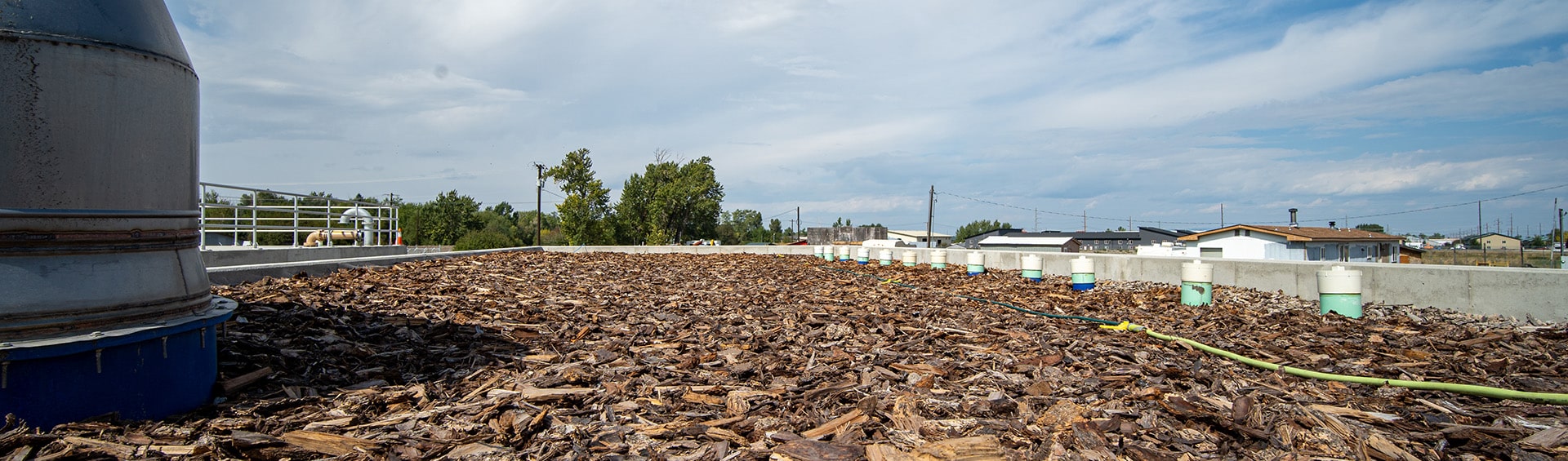
Four Corners Wastewater Treatment Plant
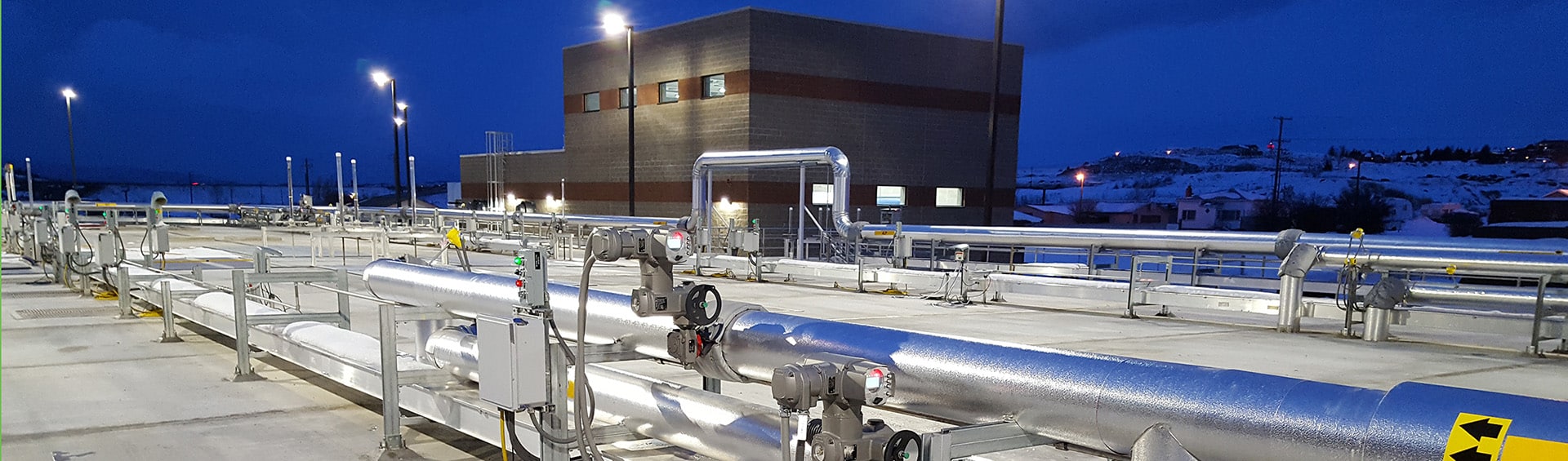
Morrison-Maierle developed a cost-effective, efficient wastewater treatment plant in Butte using advanced technologies that minimized environmental impact on a nearby Superfund site.

We know that building great communities starts with teams made up of great people. If you’re exploring ways to collaborate and make an impact, join us.
Explore Career Opportunities