Shape Communities. Grow Your Career.
We know that building great communities starts with teams made up of great people. If you’re exploring ways to collaborate and make an impact, join us.
Explore Career Opportunities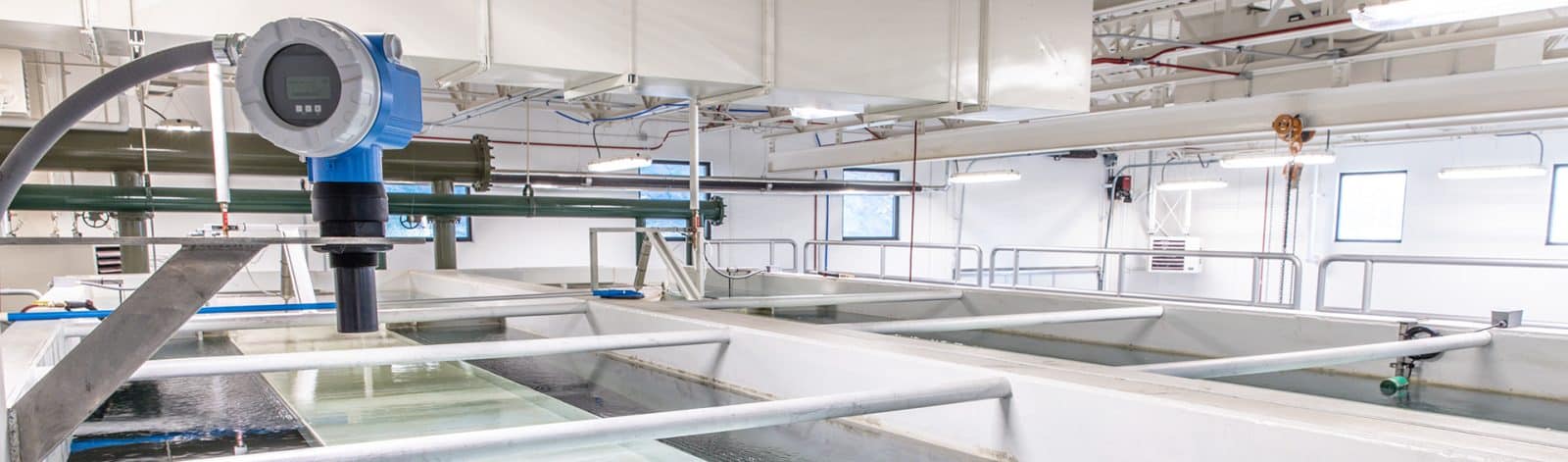
The City of Whitefish operates a water treatment plant (WTP) that treats surface water from tributaries to nearby Haskill Creek and Whitefish Lake. Water from Haskill Creek collects from three intake points that flow into one open reservoir northwest of the WTP, which gravity feeds into the plant. The Whitefish Lake intake consists of two submerged 30” diameter intake screens. Water is pumped from Whitefish Lake to the WTP through a 5,200-foot, 18-inch raw water transmission main with an elevation gain of 230 feet.
Like many communities in Montana, Whitefish has experienced significant growth. As the population has grown, so has the demand for housing and supporting infrastructure. The city’s finished water production from the WTP could not meet the needs of its growing service area. The Montana Department of Environmental Quality (DEQ) notified the city that water main extensions, subdivisions, and Municipal Facility Exclusions (MFE) would not be reviewed until they expanded the WTP’s capacity.
Engineering design
Permitting
SRF funding assistance
Construction phase services
Structural engineering
Mechanical engineering
Electrical engineering
Site civil engineering
Survey services
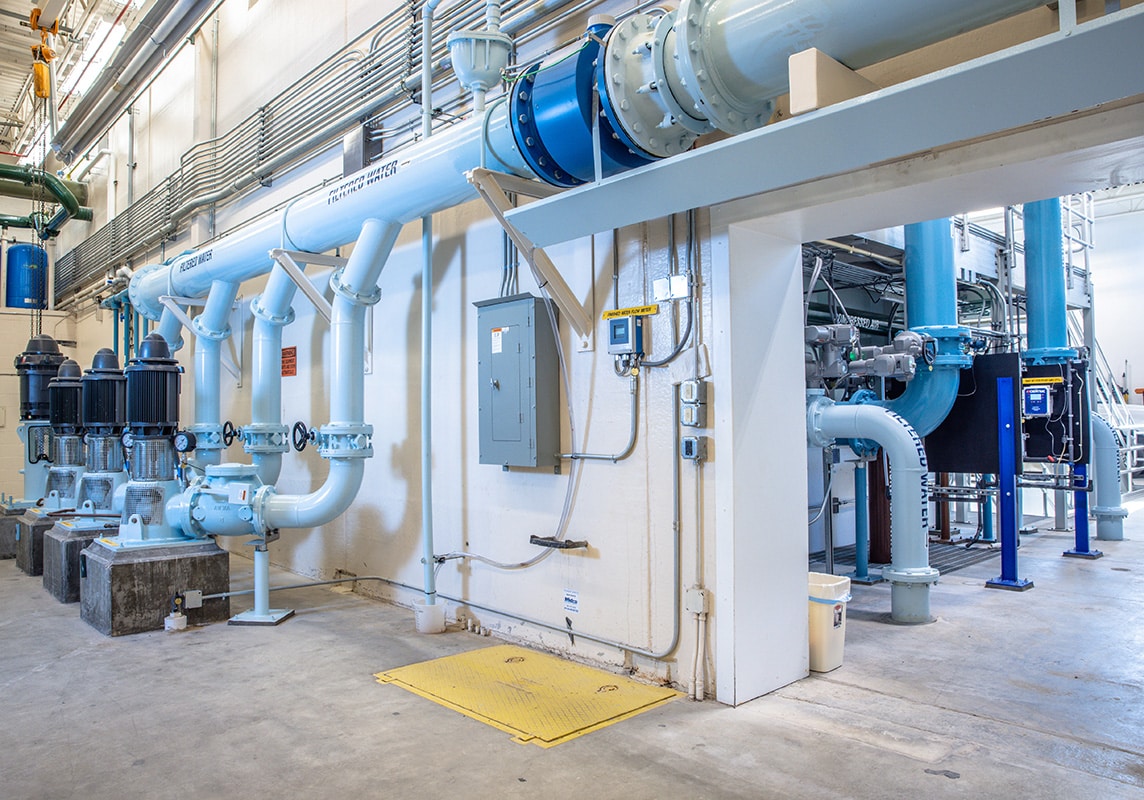
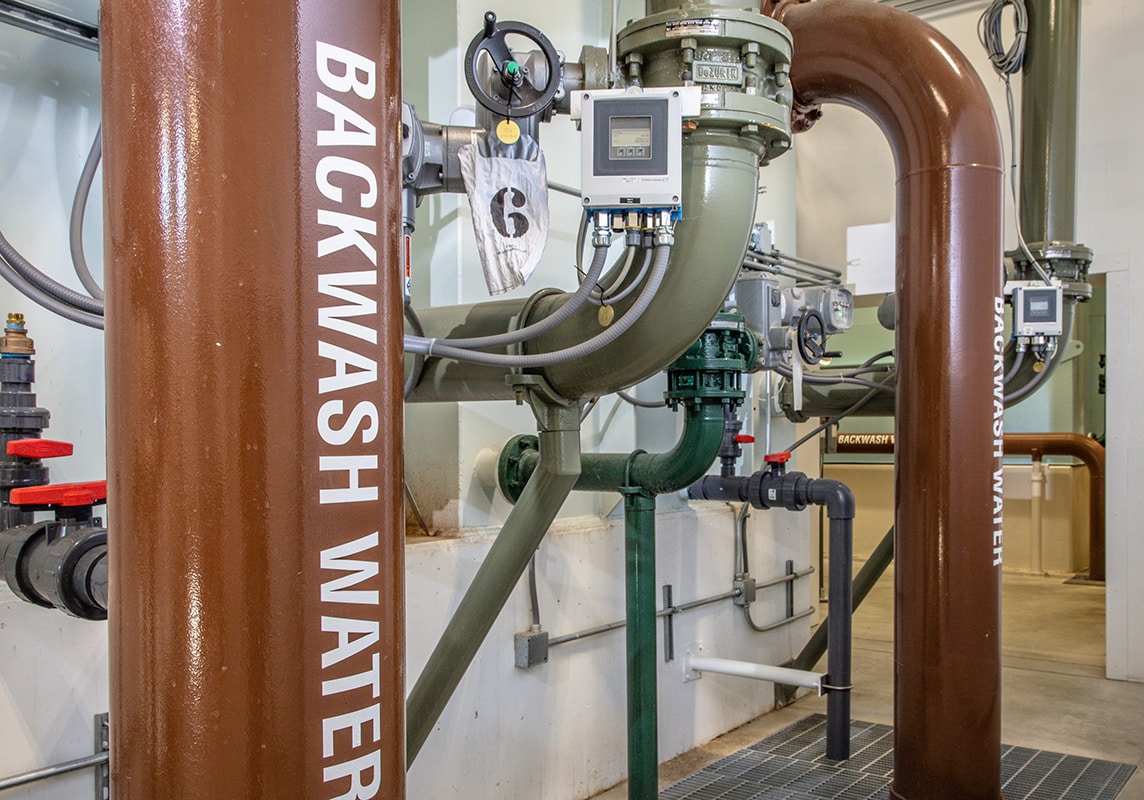
Before the project, the capacity of the WTP was 3.0 MGD—less than the currently required 5.0 MGD for a growing community of this size, and 7.0 MGD capacity needed in the future. Until this project was completed, DEQ temporarily granted Whitefish permission to connect 1,500 additional connections through a deviation request so it could make improvements to accommodate long-term population growth. With pressure from developers to meet residential growth demands, this situation resulted in an urgent need to expand WTP capacity.
To provide additional water supply capacity to meet state standards and Whitefish’s growth strategy, Morrison-Maierle designed a solution—on an expedited schedule—that included the following:
In addition to the expanded source and treatment capacity, the project included the installation of approximately 1,000 feet of 24-inch and 2,000 feet of 18-inch water transmission main that replaced aging mains and provided capacity for seamless future upgrades. A final component of this project was installing 3,000 feet of 8-inch sanitary sewer near Reservoir Road to accommodate residual waste removal.
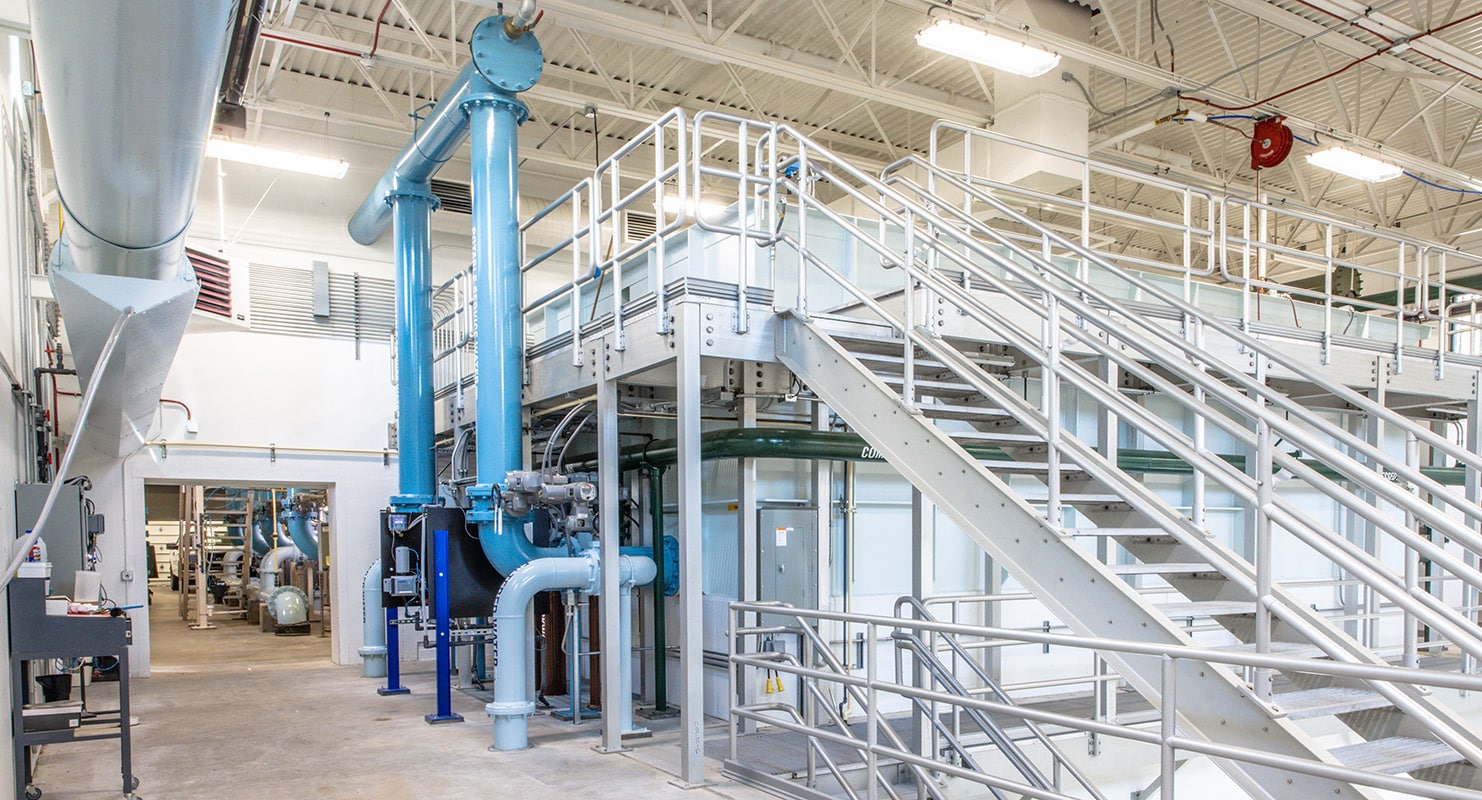
The design team worked with DEQ to reclassify the Whitefish WTP as a conventional filtration facility, giving the city a compliance advantage. This allowed continuing traditional chlorine disinfection and deferring advanced ultraviolet (UV) disinfection equipment costs well into the future. The project also created space that can house up to 7.0 MGD of conventional filtration capacity along with a UV disinfection area when water demand reaches a point where additional disinfection is required.
Another innovative measure was the team’s approach to sole source the treatment equipment to match the equipment in the existing plant. Since the existing conventional filtration treatment units perform well with the high-quality source waters, and operations are familiar, sole sourcing of the equipment was necessary. This was provided through a process allowed by Montana state law that allows municipalities to match their existing equipment and justify the price with the manufacturer through a fair vetting process.
Morrison-Maierle used an approach that required negotiating a fair price with the vendor and working with the city to develop a contract that allowed a 15% payment to start fabricating the treatment units before the overall project was bid to general contractors. This cut almost two months out of the entire project schedule and allowed the contractor to construct the building addition in the summer and fall, with the treatment units delivered to the site in November. These two months were critical for the construction schedule because the facility had to be covered before winter. Once the bidding process was complete and the contractor came on board, the city transferred the contract with the supplier to the contractor. This step significantly helped optimize the project schedule.
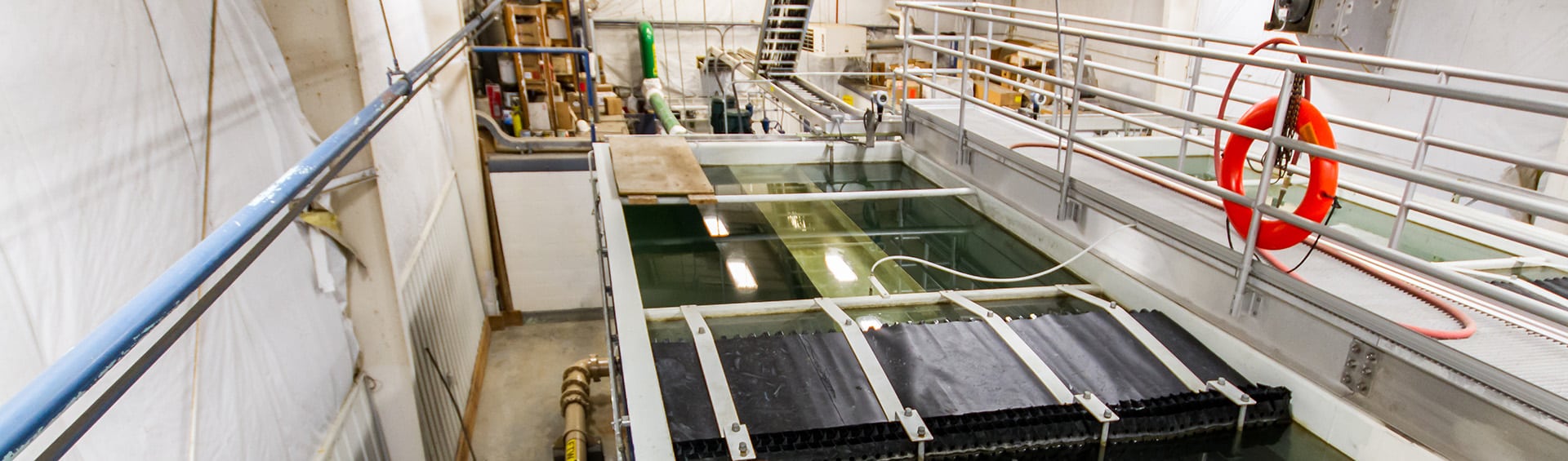
With front-end planning and engineering, the City of Chinook has an updated water treatment plant capable of processing the turbid, and sometimes volatile, Milk River conditions.
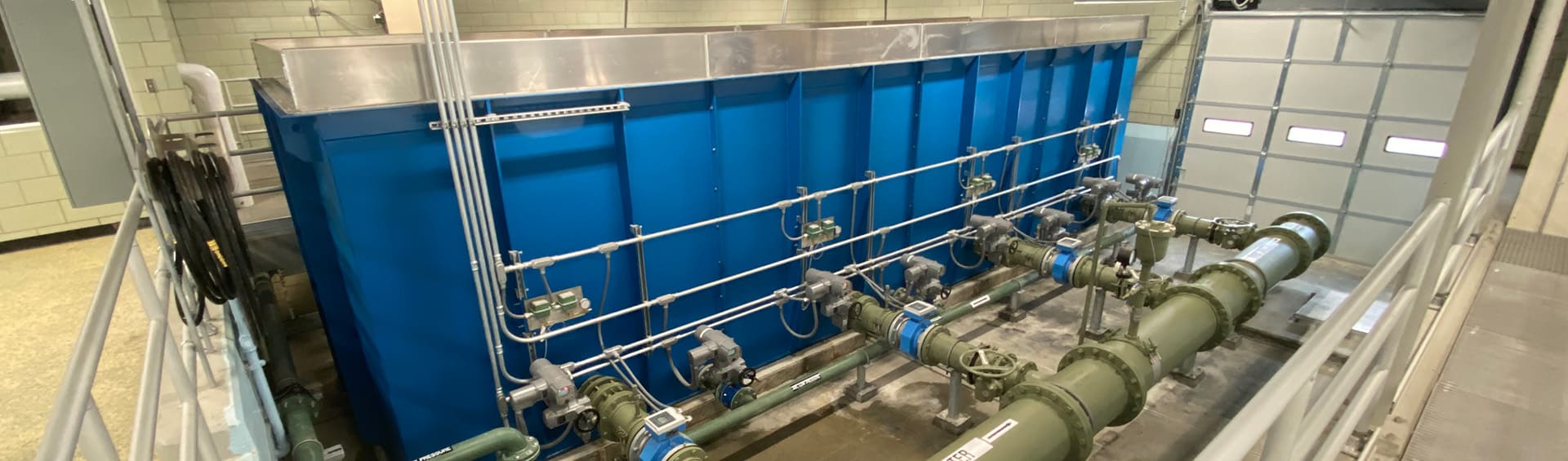
The City of Glasgow upgraded its water treatment plant in its existing building footprint due to cost and site constraints, which required unique approaches to design.
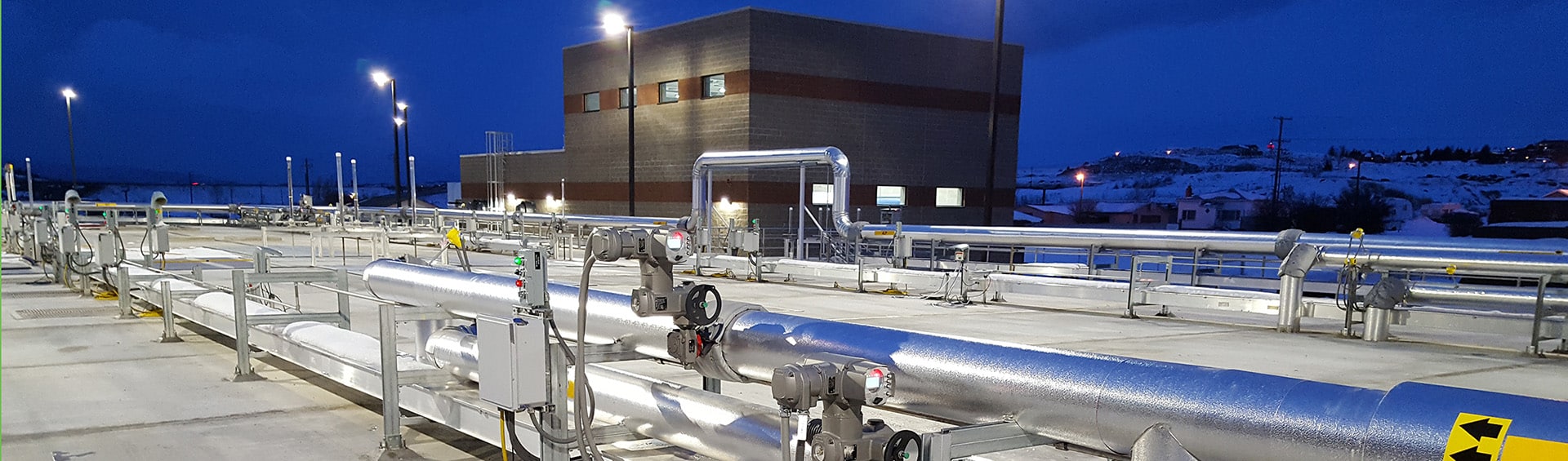
Morrison-Maierle developed a cost-effective, efficient wastewater treatment plant in Butte using advanced technologies that minimized environmental impact on a nearby Superfund site.

We know that building great communities starts with teams made up of great people. If you’re exploring ways to collaborate and make an impact, join us.
Explore Career Opportunities