Shape Communities. Grow Your Career.
We know that building great communities starts with teams made up of great people. If you’re exploring ways to collaborate and make an impact, join us.
Explore Career Opportunities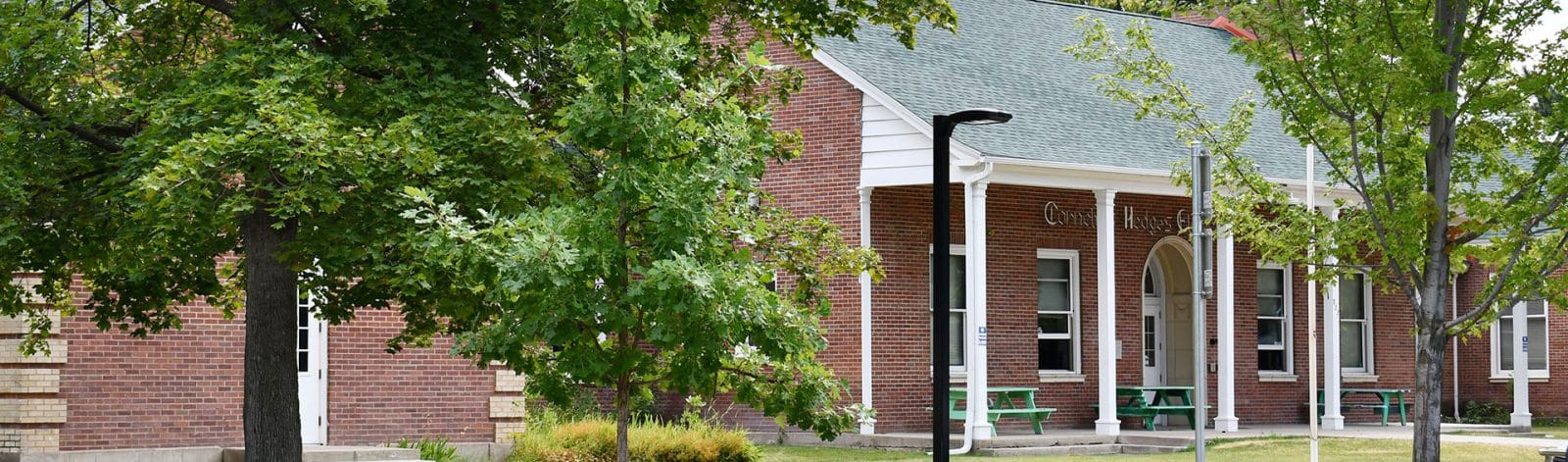
As part of their vision to completely remove lead from the drinking water in all school buildings, the Kalispell School District hired Morrison-Maierle to design a solution for removing and replacing the contaminated plumbing, piping, and fixtures at Cornelius Hedges Elementary.
This multi-layered project involved robust testing for hazardous materials in the school’s pipes, flooring, wall installations, architectural finishes, insulation, and paint. After pinpointing the specific areas causing the contamination, Morrison-Maierle engineers worked hand in hand with the school district and their testing agency to develop construction documents to solve the issue.
The plan involved selectively removing the contaminated plumbing piping and fixtures while retaining the clean parts of the system. We competitively bid the project out to get the best price and provided construction oversight to ensure a quality final product.
Architectural finishes
Complex teaming structure
Completed the project during a compressed summer construction season
Funding agency management
Hazardous materials testing
Drinking water abatement
Plumbing engineering
Retrofit design
Collaborated closely with the school district
Subconsultant management
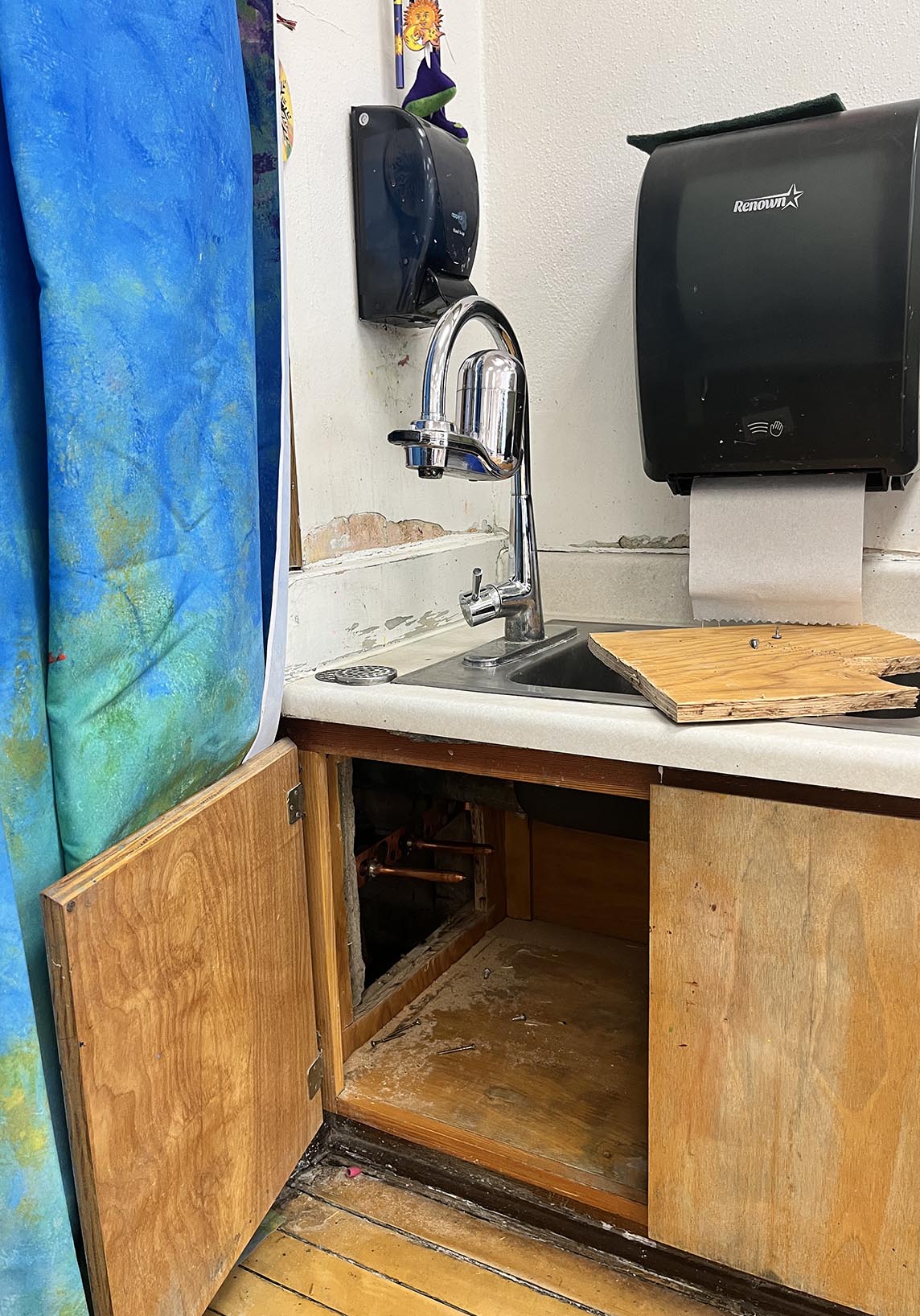
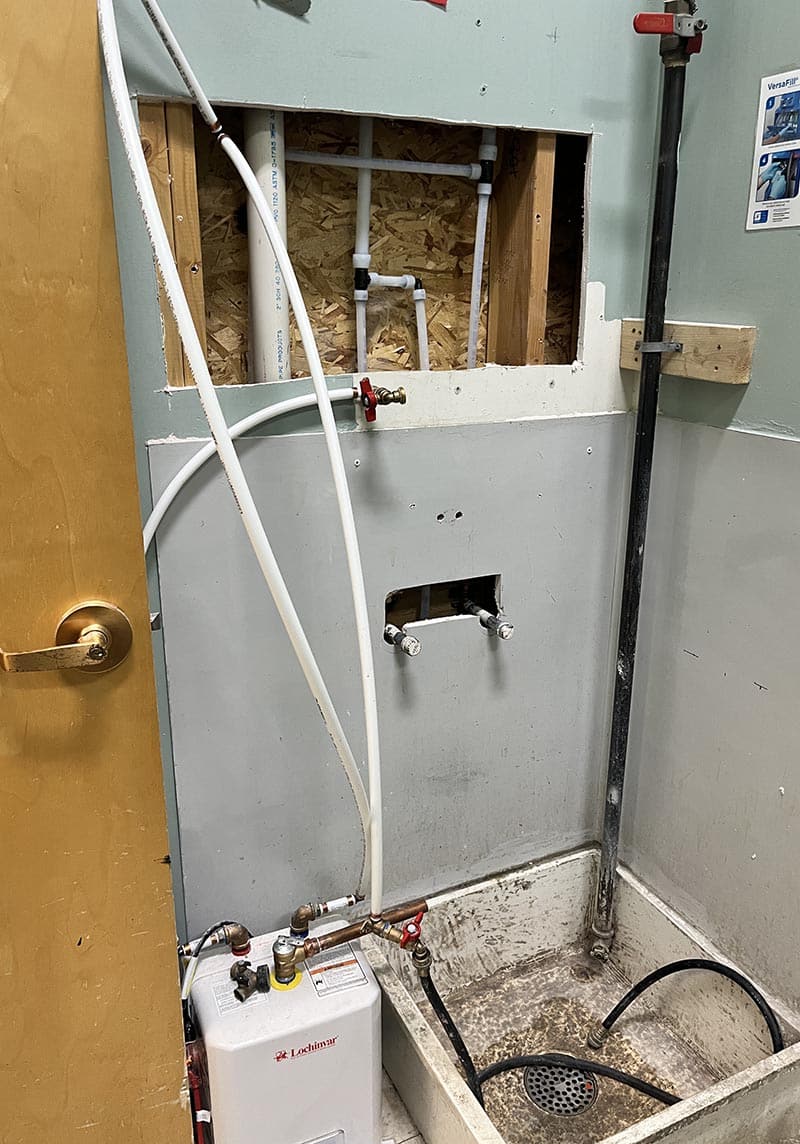
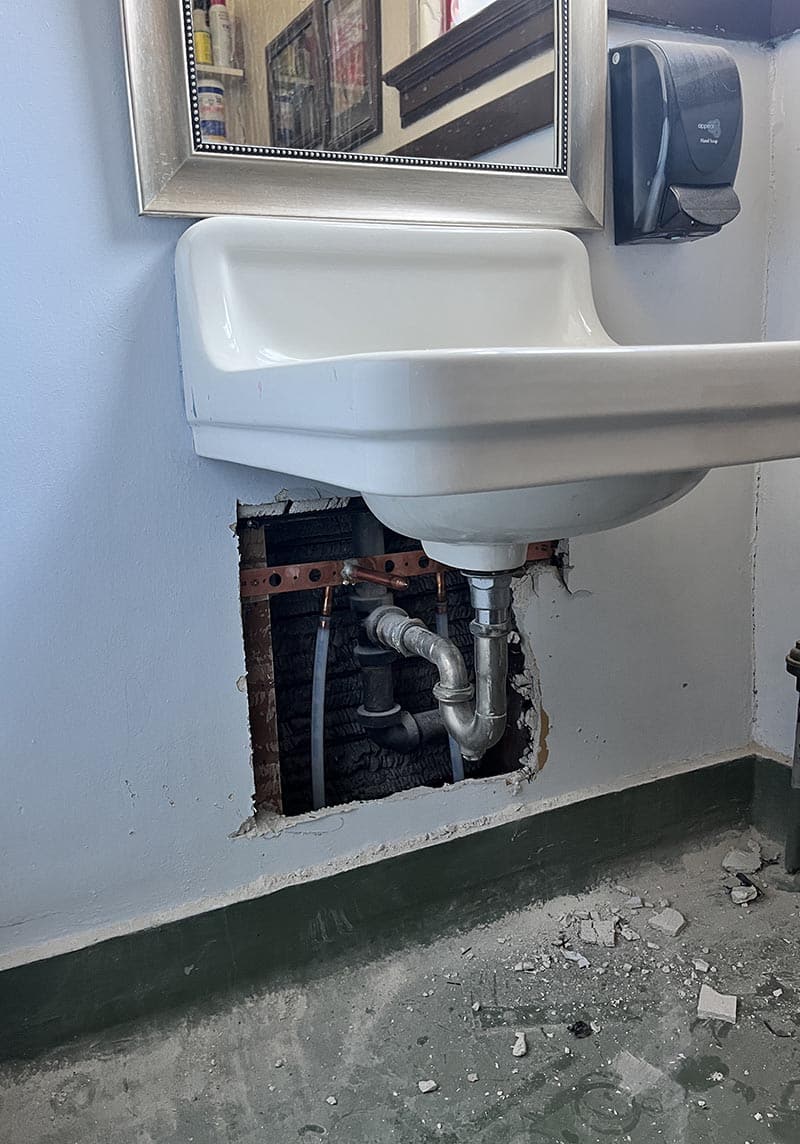
Unfortunately, lead in drinking fountains and other fixtures is not a new problem, and testing has been mandatory in Montana for several years. Through this testing, schools can identify a “hot spot” or problem area and use one of several temporary solutions, including adding filters behind contaminated fixtures, shutting the water source off completely, or posting an out-of-order sign.
However, none of these solutions permanently fix the problem, and many have significant downsides like increased maintenance or reduced access to drinking or other water. Traditional testing identifies a contaminated output—such as a sink or drinking fountain—but it won’t necessarily illuminate the specific issue.
At Cornelius Hedges Elementary, we wanted to find a solution that would permanently fix the problem without added maintenance costs or restricted water access. To achieve this, we took a multi-part approach that included:
Unlike many other retrofit projects, plumbing and engineering needs set the direction for the entire team.
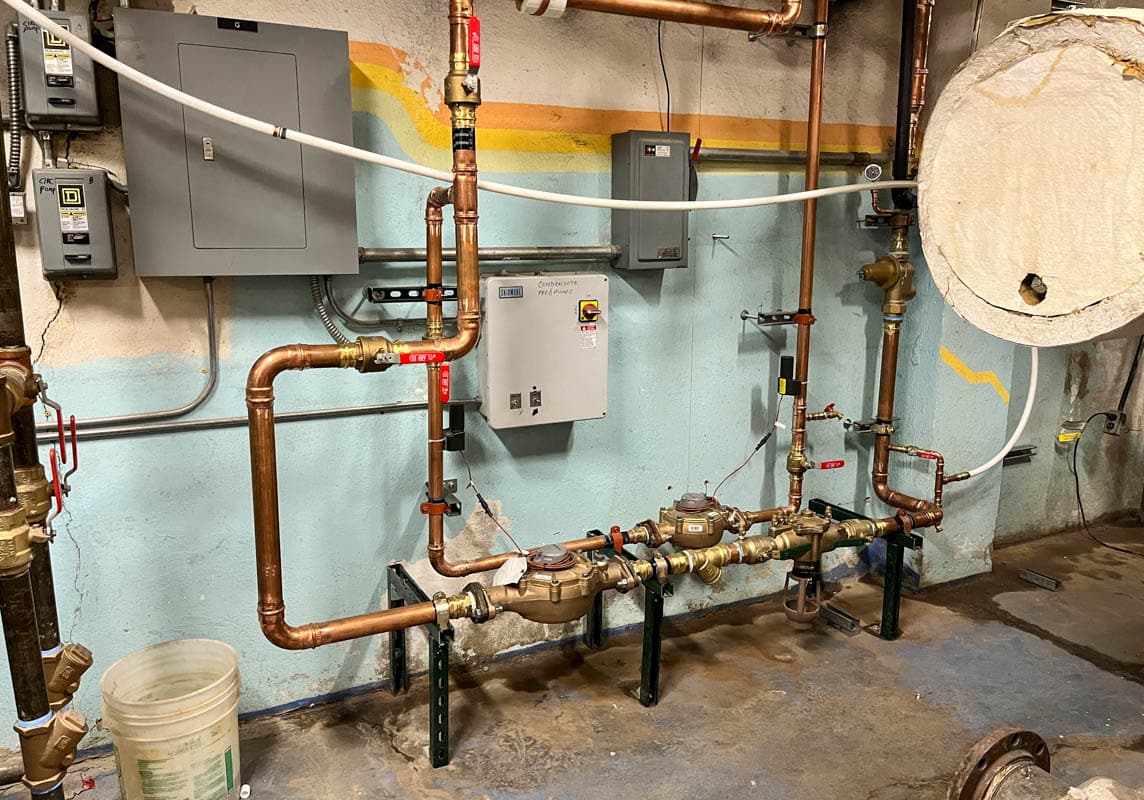
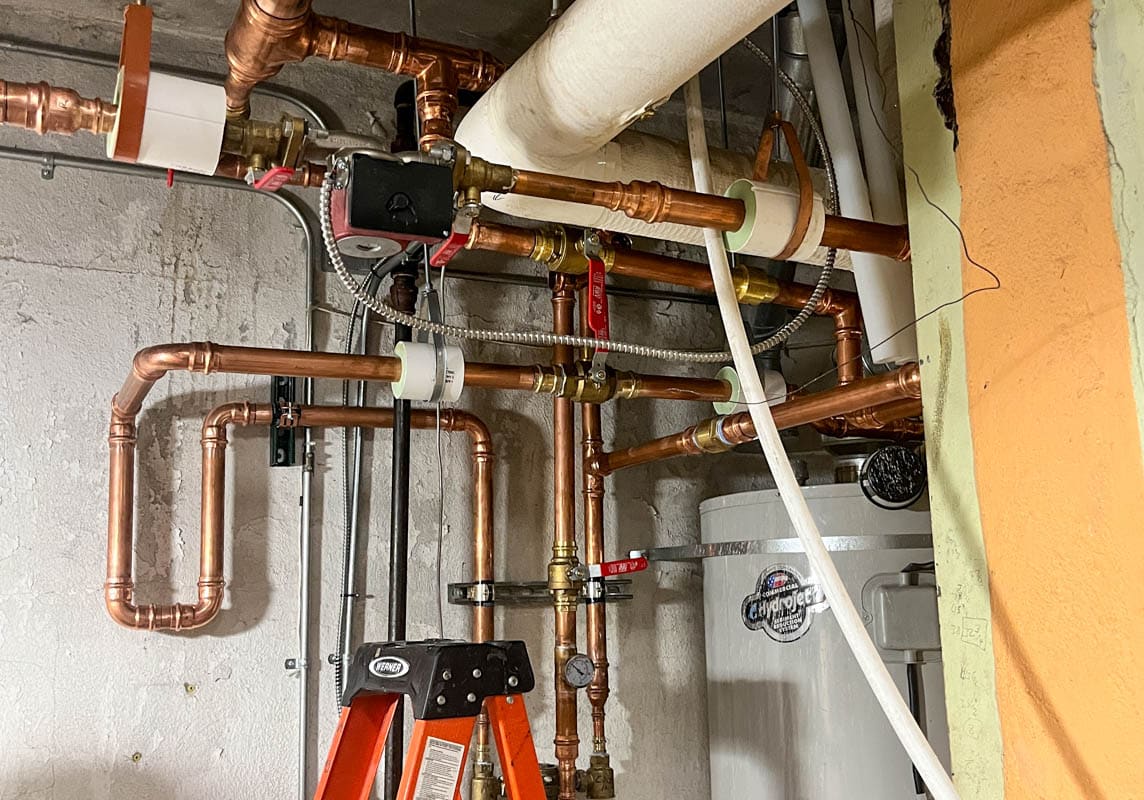
We scheduled lead abatement work around the Kalispell School District’s school and activity schedule. Due to labor and staffing shortages in the area since the pandemic, we knew we could only achieve this compressed timeline if we developed a phased approach for the projects.
By breaking the project up into smaller phases, we had more manageable chunks, which allowed us to bid the work out to multiple contractors. Although this complicated the process, we were able to use additional labor to achieve more over the short summer break.
Lead abatement projects are not limited to educational facilities. If you think your building may need an assessment, let’s meet to discuss strategies and options for your facility.
Get in touch with Tom Coburn today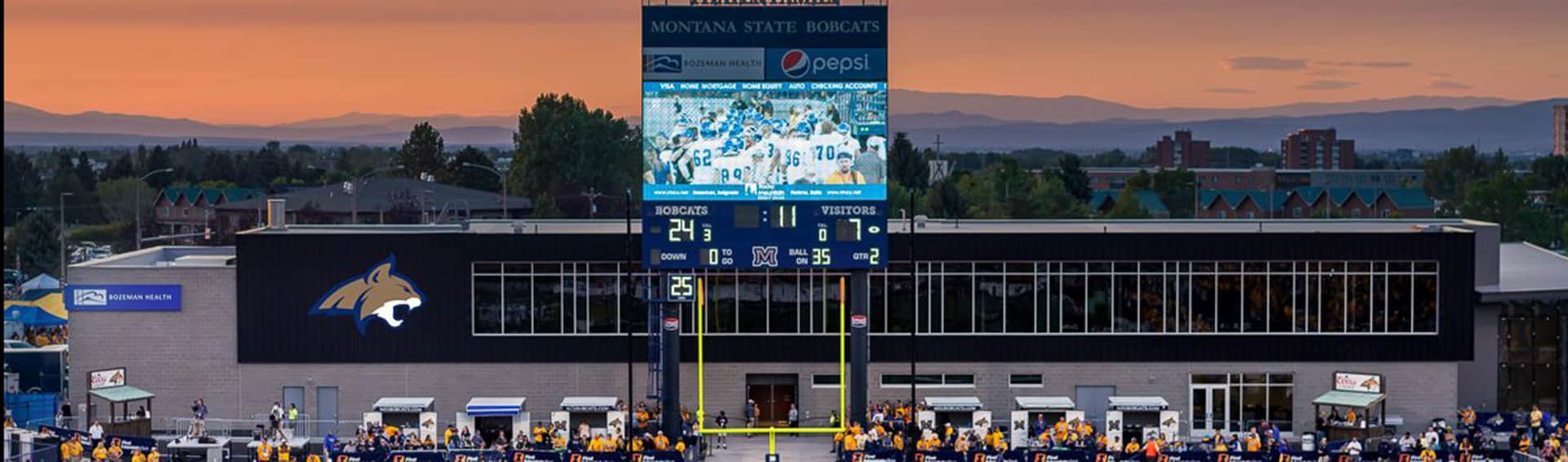
The Bobcat Athletic Complex is a 40,000 sq. ft. facility next to Montana State University's football stadium that supports the university's athletes and coaching staff.

The MSU Football Stadium End Zone Addition increased the stadium capacity by 5,200 seats, improved the accessibility and pedestrian flow, and provided new restrooms, concessions, and locker rooms.
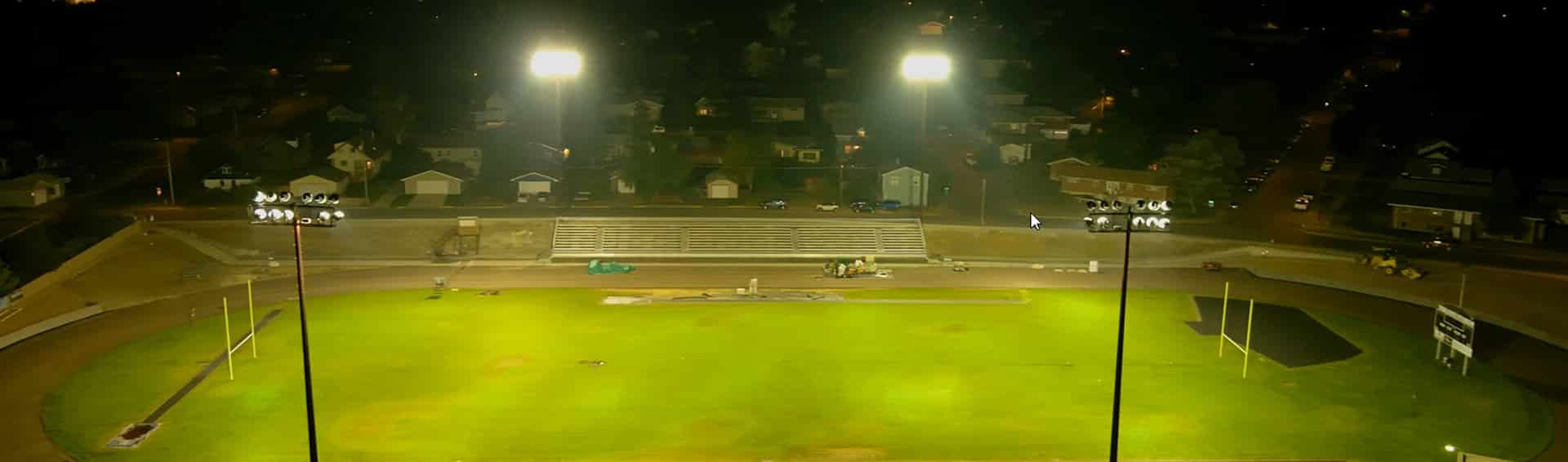
Coupled with increased energy savings and reduced maintenance costs, the Vigilante Stadium now has updated remote-controlled lights that are brighter, yet more concentrated on the field itself.

We know that building great communities starts with teams made up of great people. If you’re exploring ways to collaborate and make an impact, join us.
Explore Career Opportunities