Shape Communities. Grow Your Career.
We know that building great communities starts with teams made up of great people. If you’re exploring ways to collaborate and make an impact, join us.
Explore Career Opportunities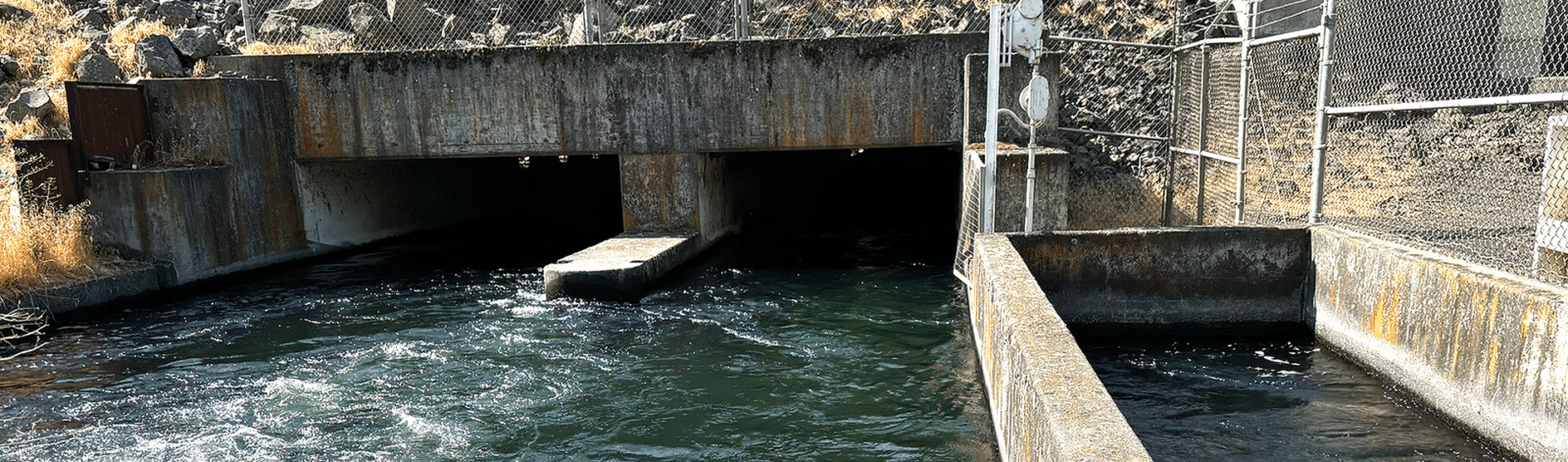
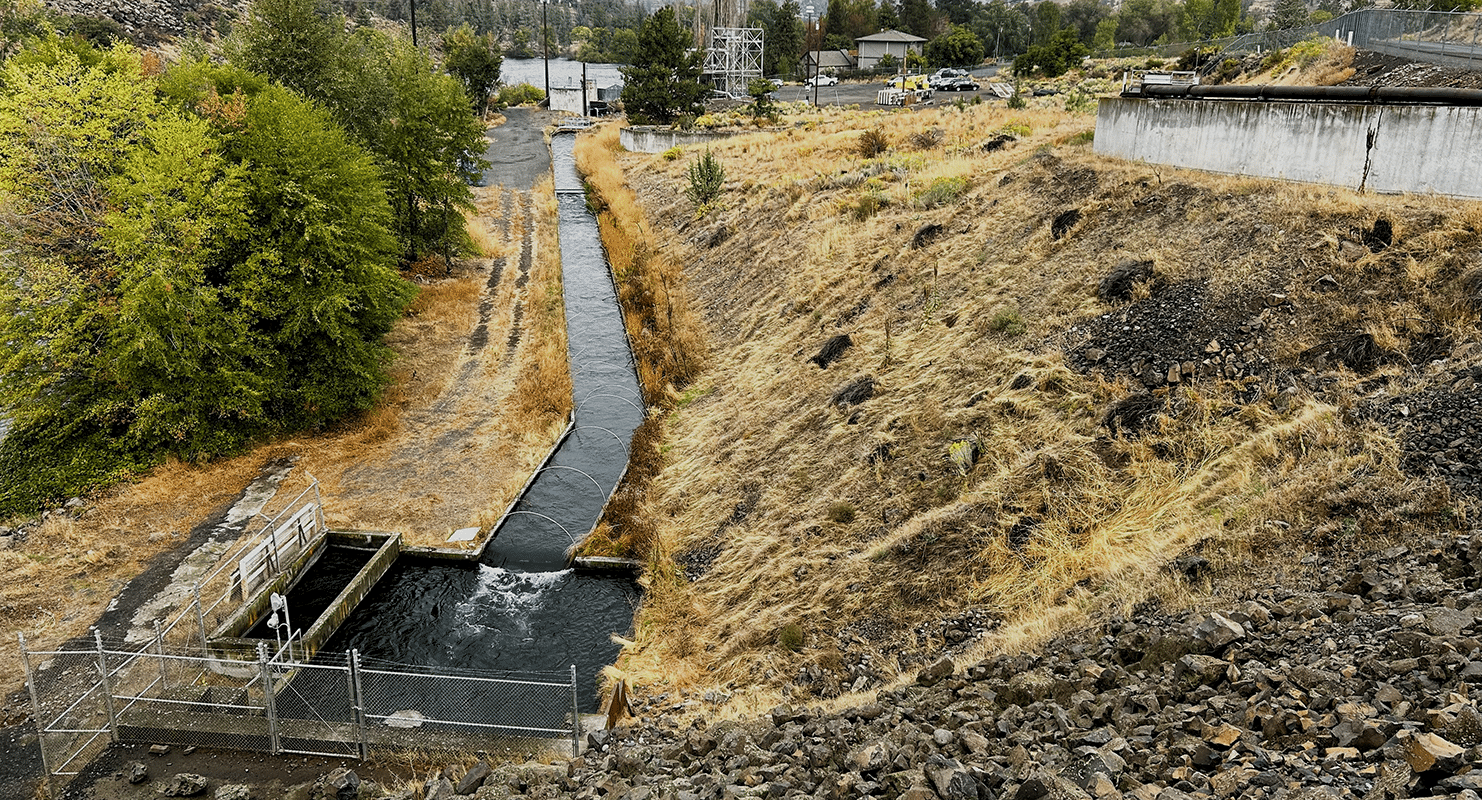
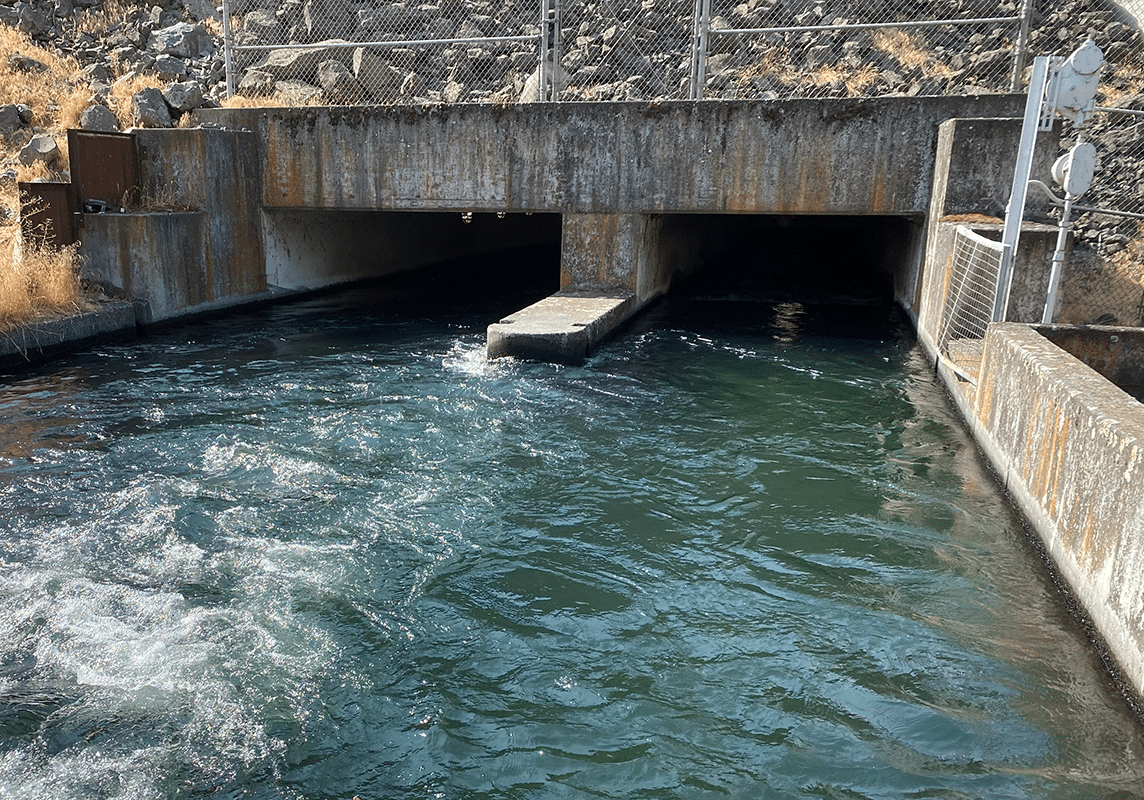
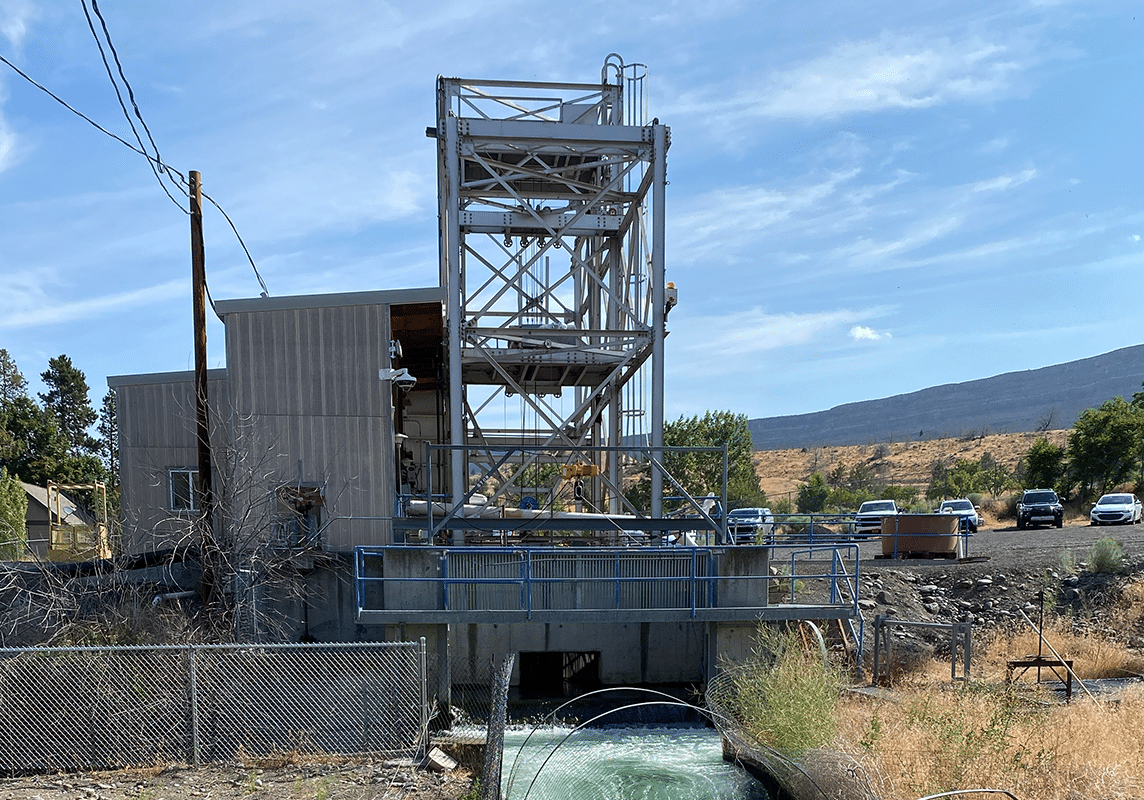
Located on the Deschutes River near Madras, Oregon, the Pelton-Round Butte Fish Passage hydroelectric complex includes three dams—Round Butte Dam, Pelton Dam, and the Pelton re-regulating dam—operated by Portland General Electric (PGE). When Pelton Dam and the re-regulating dam were originally constructed in 1958, fish passage was provided through a 3-mile-long fish ladder – the longest in the world at that time. Round Butte Dam was completed in 1964, and by 1968, PGE had determined that the fish passage efforts were unsuccessful and replaced them with a fish hatchery located at the base of Round Butte Dam and an adult fish trap located at the base of the Pelton re-regulating dam. PGE still owns and operates the adult collection facility downstream of the re-regulating dam, where adult salmonids can be collected, sorted, and transported either to hatchery facilities or to upstream habitat where they can spawn naturally.
The original fish trap has reached the end of its useful life and no longer meets modern requirements for fish passage, fish handling, worker safety, operational efficiency, or year-round species management. The project reflects a complex yet familiar challenge: how to modernize an aging fish passage facility while continuing to support fish recovery and agency management goals by providing safe, timely, and effective fish passage. To achieve this, the current facility must remain operational while the replacement facility is designed and constructed, with minimal facility outages coordinated with fish passage and production needs.
Morrison-Maierle’s* role is to provide the specialized fisheries engineering needed to translate biological and operational requirements into a functional facility design. Working as a subconsultant, the team provided fisheries and civil engineering services for the project, including the overall facility layout, civil site and stormwater design, water supply and distribution system design, fish-handling process design, and fisheries-specific water holding structural and mechanical elements.
The central design feature is the new upstream trap-and-haul facility. The design includes replacing an existing portion of the fish ladder to connect the new facility to the existing junction pool and fish ladder entrance, allowing returning adult fish to swim into a holding pool. Once fish enter the sorting building, they move through a flume system where trained fisheries staff can visually identify each fish and direct it to the appropriate destination. Operators use pneumatic controls to route fish through a system of gates, flumes, tanks, and return pathways. Depending on the species and management objective, a fish may be sent to a holding tank for upstream transport, returned to the reservoir, or held for further sampling and observation.
After sorting is complete, a series of mechanical gates and crowders will move fish into a fish lock, where they will be lifted and loaded into trucks via a water-to-water loading process.
The facility is designed with two primary processing trains—one supporting PGE’s program and one supporting Oregon Department of Fish and Wildlife (ODFW) hatchery operations. That separation was an important operational decision. The former facility required both organizations to work on the same schedule. The new design allows each group to manage its processing independently, reducing bottlenecks and making daily operations more efficient. As a result, fish can be routed to holding tanks, raceways, return-to-river pathways, or truck-loading systems based on each agency’s schedule and objectives.
One of the project’s most important engineering decisions was the use of gravity-fed water wherever possible. Fish passage facilities require a continuous water supply, and reliance on pumped systems can increase energy use, mechanical complexity and maintenance, and backup power requirements.
The reregulating dam’s water levels and available head pressure posed a significant design constraint, but the team revised the facility layout so that approximately 95 percent of the fish-handling process could operate by gravity, including all of the short and long-term holding facilities. To achieve this objective, the design places key handling functions below grade, allowing fish and water to move downhill through the facility. The only major pumped component is the truck-loading process, in which fish must be lifted through a fish lock to be loaded into transport trucks. This process significantly reduces the risk of fish mortality in the event of a power outage.
The project includes three stress-relief ponds for out-migrating juvenile fish collected from the Round Butte juvenile collection facility. Rather than releasing downstream migrants directly back into the river after transporting them downstream around the dams, the ponds allow them to acclimate for 1-to-3 days before release. This reduces stress and helps improve survival when fish re-enter the river environment, where they may be vulnerable to predators. The ponds are designed on a three-day rotation, with fish placed into separate ponds on successive days. After the first day, fish can leave volitionally through an open flume, or they can be drained to the river at the end of the acclimation period.
A third major component is the hatchery rearing ponds. The design includes 12 circular rearing tanks in which hatchery fish can be held after they reach the appropriate developmental stage. This step is important because salmon imprint on the water where they are released, which helps guide their return as adults. Historically, a portion of the original fish ladder had been repurposed for this function after the original fish ladder concept proved ineffective in Central Oregon’s warm climate. The new rearing tanks provide a more efficient, purpose-built system for imprinting and rearing fish before release.
The environmental value of the project extends beyond replacing an aging facility. By improving the collection, sorting, holding, and transport of adult salmonids, the new fish passage system strengthens the connection between engineered infrastructure and the Deschutes River basin’s broader fisheries recovery goals. The design supports both hatchery production and natural spawning, allowing fisheries managers to direct returning adults in accordance with established basin protocols while reducing unnecessary handling and improving operational control.
The gravity-fed design also carries environmental benefits. Reducing reliance on pumped water lowers energy demand, simplifies operations and maintenance, and reduces the need for backup power systems that would otherwise be required to maintain a continuous fish water supply. The stress relief ponds further support fish survival by giving out-migrating juveniles time to acclimate after collection and transport before re-entering the river. Together, these design choices reduce stress on fish, improve the reliability of the passage process, and help support long-term salmonid movement through a river system shaped by hydroelectric infrastructure.
*This project was started by QRS Consulting prior to its 2026 acquisition by Morrison-Maierle. The design is anticipated to be completed by the end of 2026.
Reach out for more information
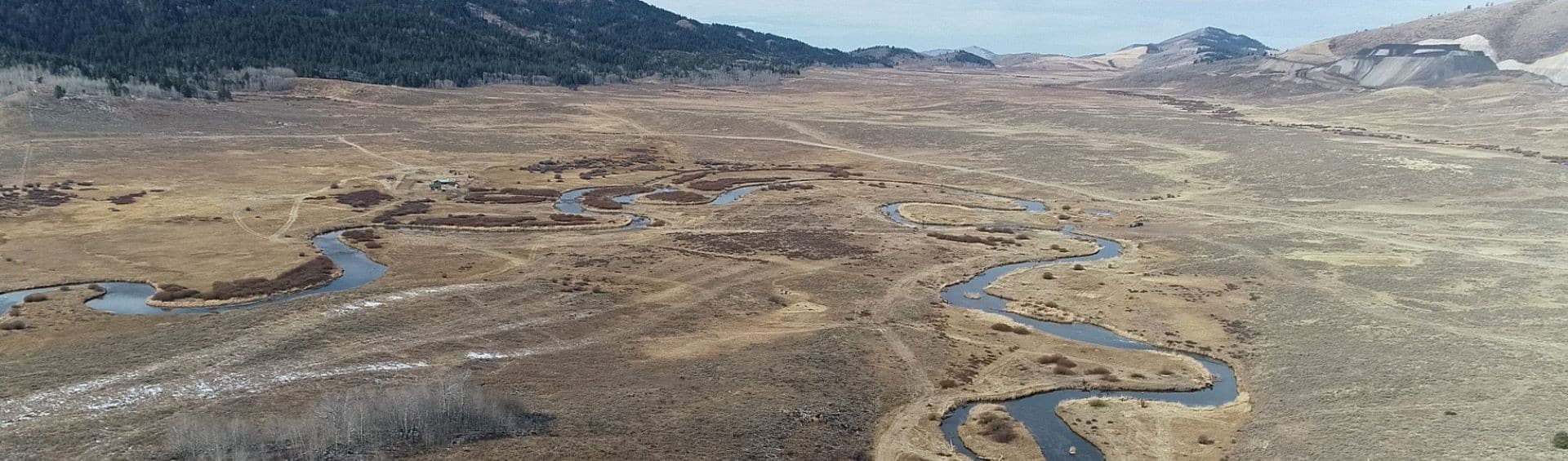
Morrison-Maierle led a collaborative, multi-phase fish habitat restoration on Idaho's Blackfoot River, rebuilding cutthroat trout habitat.
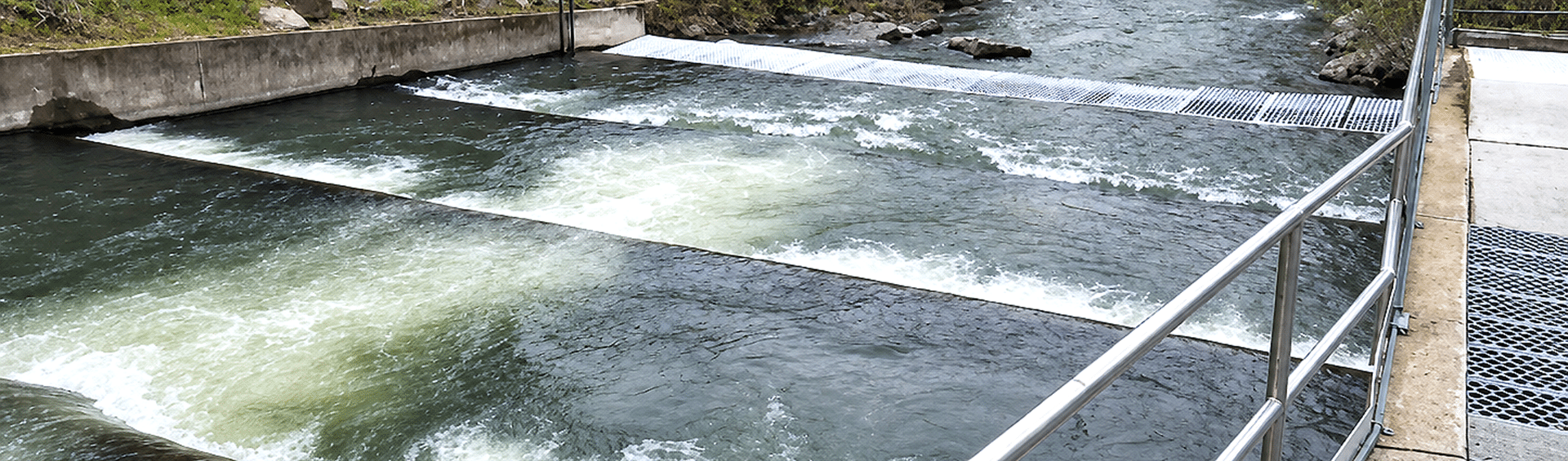
Catherine Creek Fish Passage project supports the Confederated Tribes of the Umatilla Indian Reservation’s fish trap operations.
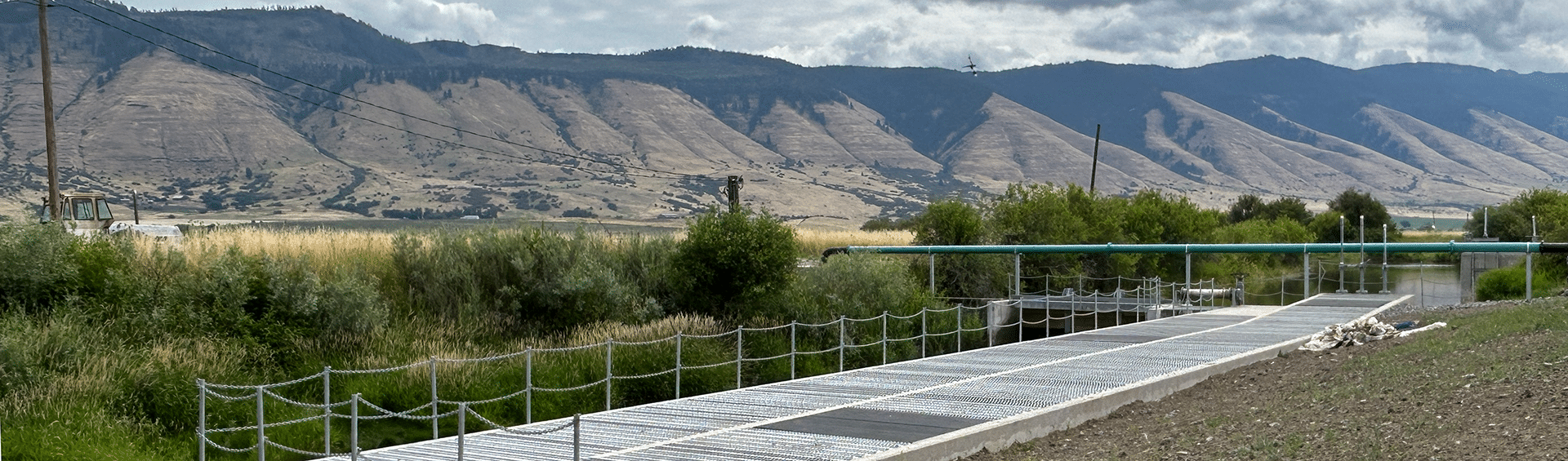
Located near La Grande, Oregon, the Elmer Dam Fish Passage project helps reconnect fish habitat in upper Catherine Creek while supporting the irrigation needs of a working agricultural property.

We know that building great communities starts with teams made up of great people. If you’re exploring ways to collaborate and make an impact, join us.
Explore Career Opportunities