Shape Communities. Grow Your Career.
We know that building great communities starts with teams made up of great people. If you’re exploring ways to collaborate and make an impact, join us.
Explore Career Opportunities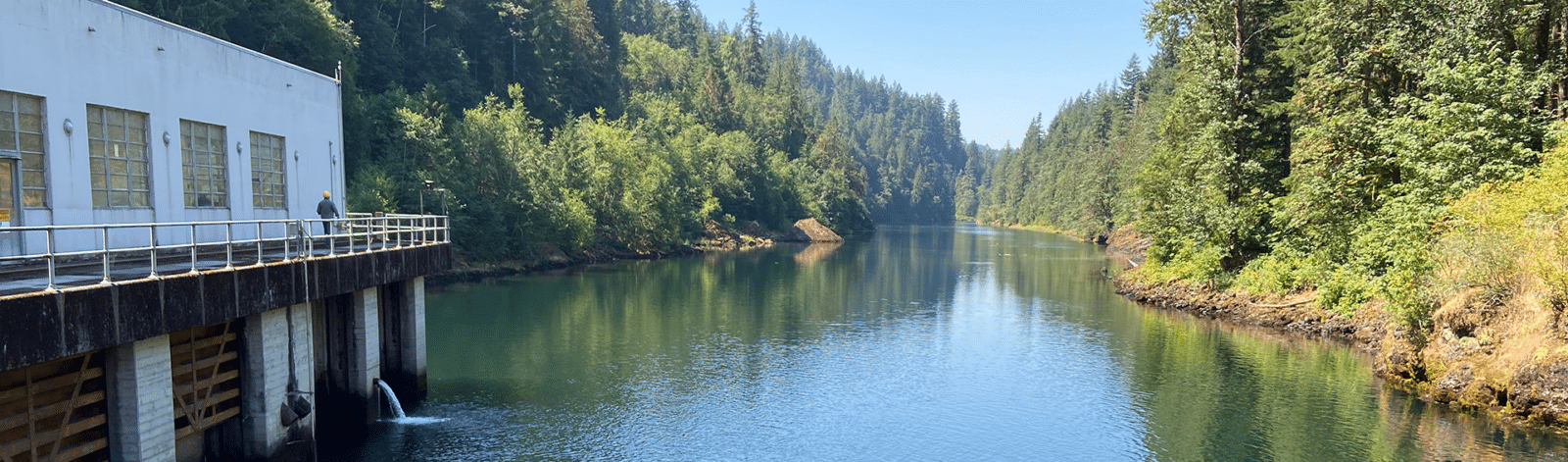
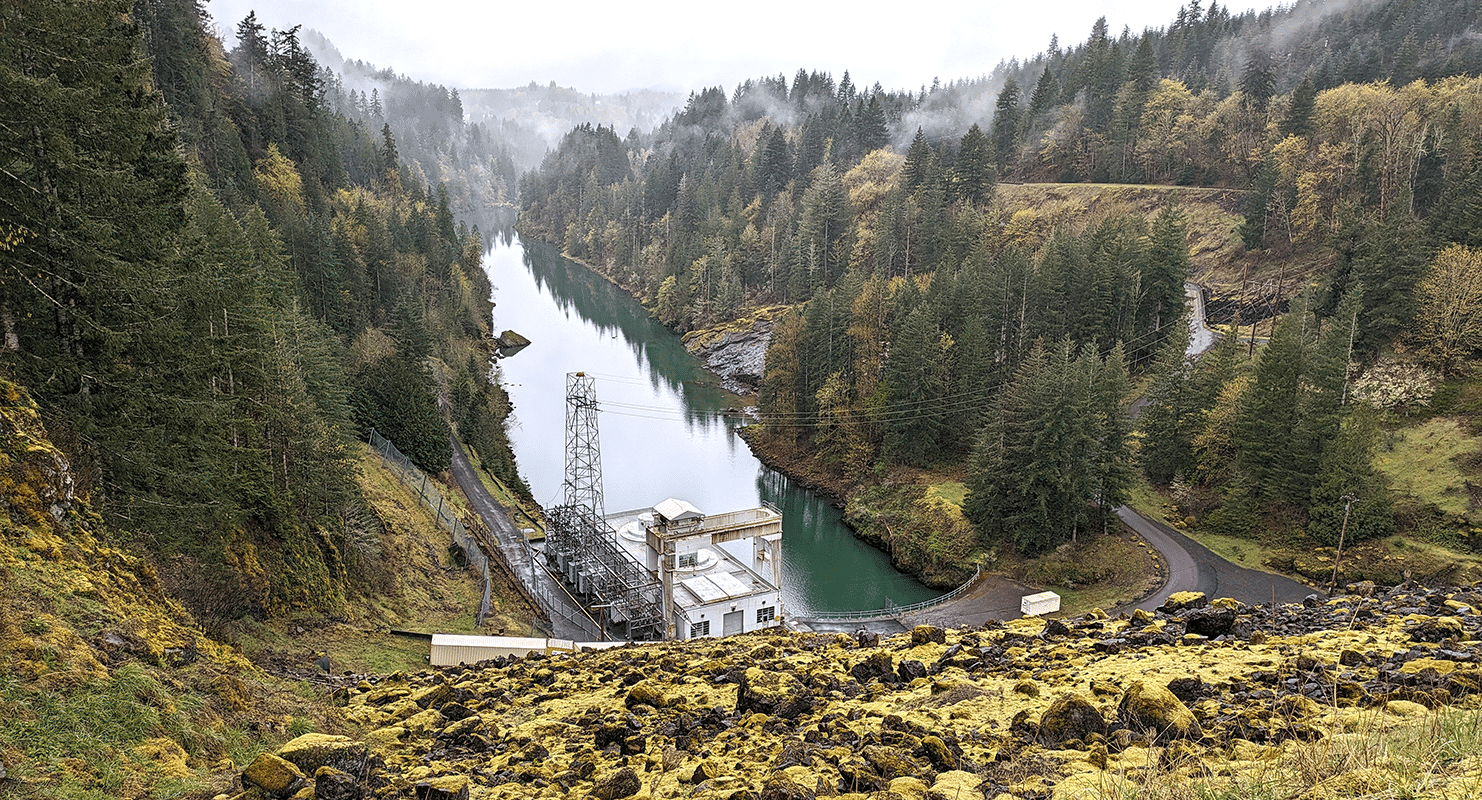
Located on the North Fork of the Lewis River in southwest Washington, the Yale Upstream Fish Passage project is part of a larger effort to support salmon, steelhead, bull trout, and other native fish species in a river system shaped by hydroelectric infrastructure. Morrison-Maierle* provided specialized fisheries engineering for the new Yale Upstream Fish Passage facility, translating biological objectives, agency requirements, fish behavior, hydropower operations, constructability on a challenging site, and site constraints into a functional design.
The Lewis River includes three major dams—Merwin, Yale, and Swift—that have historically limited how fish move between the lower river, reservoirs, tributaries, and upstream spawning habitat. For years, adult fish returning from the ocean have been collected below Merwin Dam, transported by truck around the three-dam complex, and released upstream of Swift Dam. Juvenile fish moving downstream are collected in Swift Reservoir and transported around the dams before continuing toward the Columbia River and the Pacific Ocean. This trap-and-haul approach has helped maintain fish movement through the basin, but it has not fully reconnected fish to the habitat available in the intermediate reservoirs and tributaries.
The project requires a strong understanding of how adult fish move through a river system, and specifically, how to attract the fish into the trap while competing with variable powerhouse flows. In the Yale Dam tailrace, water discharged from the powerhouse creates an eddy on the left bank below the dam and powerhouse.
The new facility is designed to take advantage of the tailrace hydraulics by placing the trap entrance downstream of the powerhouse, where fish are likely to pass as they follow attraction flows upstream, and where they are likely to fall back if rejected by the powerhouse discharge. The construction of the upstream passage facility below Yale Dam will allow reintroduction of fish into Yale Reservoir as part of the larger reintroduction program while providing the flexibility to adapt the program over time.
Fisheries engineering
Hydraulic design
Civil site layout and design
Structural design
Mechanical systems design and integration
Environmental compliance and permitting
Constructability planning
Coordination with electrical, controls, surveying, permitting, modeling, and quality-control partners
One of the project’s most important challenges is the site’s fluctuating water level. The facility is located at the head of Merwin Reservoir where tailrace water surface elevations can vary significantly. A conventional trap design with a single fixed entrance would not reliably attract fish across that range. To address this issue, Morrison-Maierle designed the fish passage facility with multiple entrances, including an adjustable surface entrance slot, and adjustable attraction flows so it can continue to function as water levels rise and fall. This flexibility is essential for safely and consistently collecting fish under changing tailrace conditions.
The facility is designed to collect and sort different species and life stages. Adult Chinook salmon, coho salmon, and steelhead generally move higher in the water column, while many benthic species are more likely to move near the bottom. The design accounts for those differences by providing entrances that attract and collect fish at different depths. It also provides operational flexibility for future needs, such as sorting non-target species, managing kokanee populations, and accommodating other native species as program objectives evolve.
At the heart of the project is an upstream collection facility that serves as a carefully controlled fish-handling system. Attraction flows guide fish toward the facility entrance and into a holding pool where they can be collected and held until operators are ready to process them. A mechanical crowder moves fish toward a fish lock where they are raised up to an elevated sorting and loading facility.
Once fish enter the sorting building, they move through a flume system where trained fisheries staff can visually identify each fish and direct it to the appropriate destination. Operators use pneumatic controls to route fish through a system of gates, flumes, tanks, and return pathways. Depending on the species and management objective, a fish may be sent to a holding tank for upstream transport, returned to the reservoir, or routed for further sampling and observation. Elevated tanks allow fish to be loaded into transport trucks via a water-to-water transfer, reducing stress by keeping them in water throughout the transfer.
A defining feature of the Yale facility is its no-touch approach. Because many of the fish collected at Yale Dam have already been handled (including any required sampling and testing) at the Merwin Dam facility, the design minimizes additional handling. Instead of netting or manually transferring fish, the system uses water, gates, flumes, cameras, and operator controls to guide fish through the facility. This approach helps reduce physical stress on the fish and is intended to improve the likelihood that fish remain healthy enough to continue their migration and contribute to spawning success.
Designing a no-touch facility required close coordination between engineering and fisheries biology. One key consideration is fish metering—moving fish through the sorting system one at a time or in small, manageable groups rather than all at once. The Yale design gives operators tools to control that process, including fast-acting gates and adjustable attraction flow where fish exit the fish lock into the sorting flume. By varying the flow and gate operation, operators can encourage fish to move from the lock into the flume one or a few at a time, allowing accurate sorting while reducing congestion and stress.
The outcome is a design that helps transform the Yale Dam from a barrier into an active collection and transfer point within the larger Lewis River fish passage program. When implemented, the facility will give fisheries managers greater flexibility to move adult fish into Yale Reservoir, farther upstream toward Swift, or to other release locations based on program goals, agency direction, and monitoring results. That adaptability matters because fish recovery is not static. Management strategies may change as biologists learn more about how fish use the reservoirs and tributaries over time.
For Morrison-Maierle, the Yale Upstream Fish Passage project demonstrates how engineering can support ecological restoration within complex hydropower systems. By combining hydraulic performance, fish-friendly handling, operational flexibility, and practical constructability, the project supports the long-term goal of reconnecting fish with more of the Lewis River watershed. The design helps create a more complete passage network around the dam system—one that can support adult migration, expand access to spawning habitat, and strengthen recovery efforts for salmon, steelhead, bull trout, and other native fish species that depend on the river.
*This project was started by QRS Consulting prior to its 2026 acquisition by Morrison-Maierle. The design is anticipated to be completed by the end of 2026.



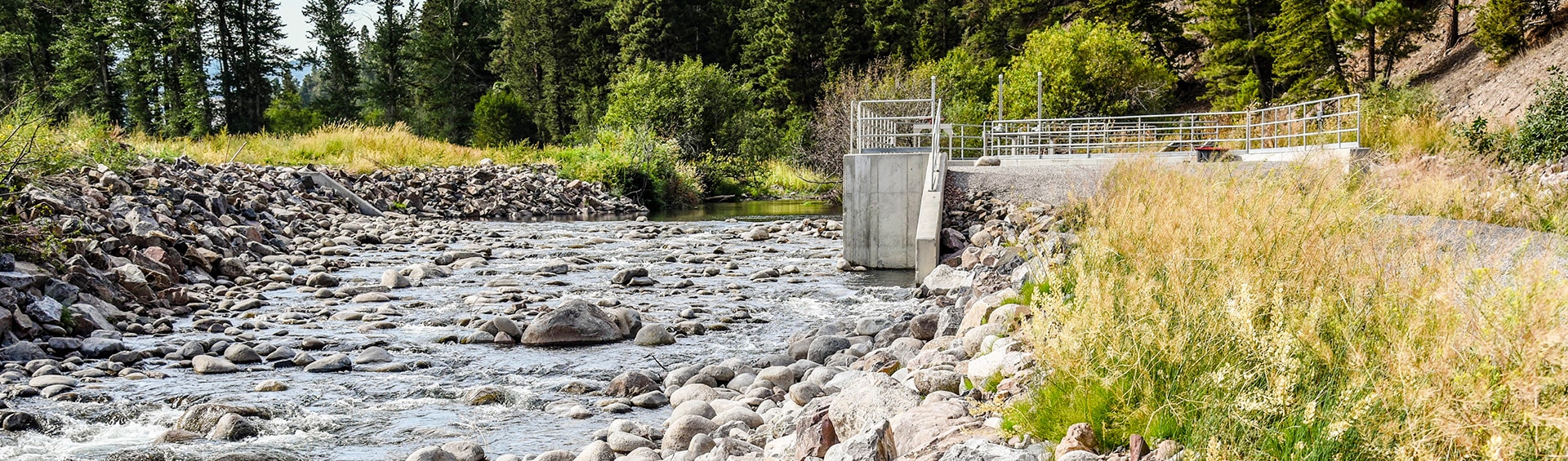
Allendale Canal and Fish Screen is part of the Flint Creek Water Project, owned by the Montana Department of Resources and Conservation (DNRC) and operated by the Flint Creek Water Users Association.
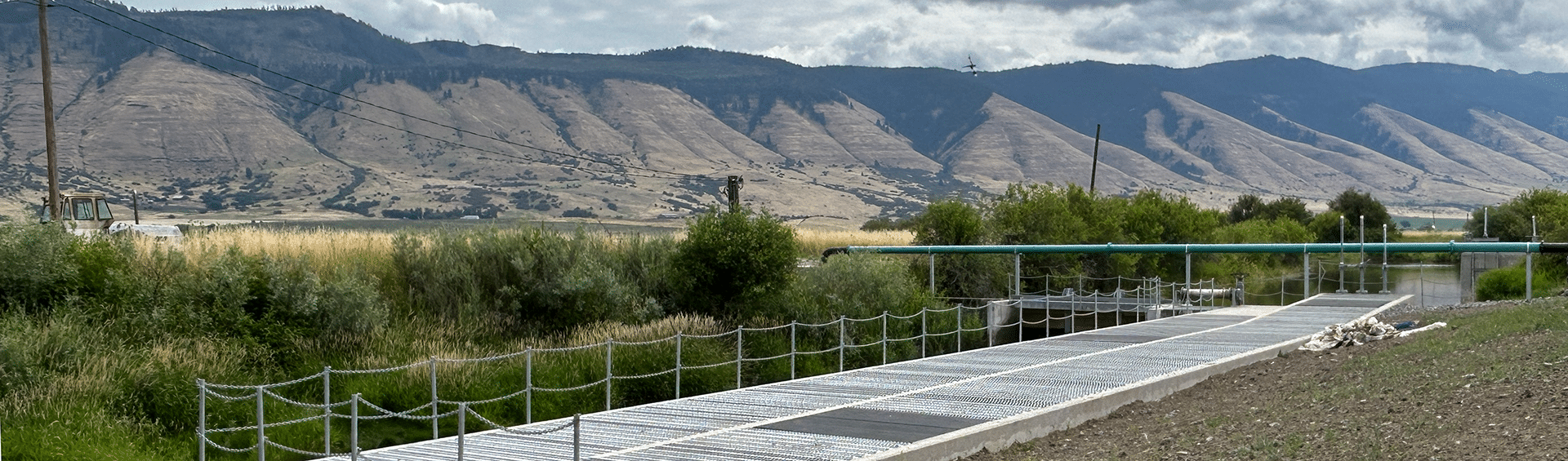
Located near La Grande, Oregon, the Elmer Dam Fish Passage project helps reconnect fish habitat in upper Catherine Creek while supporting the irrigation needs of a working agricultural property.
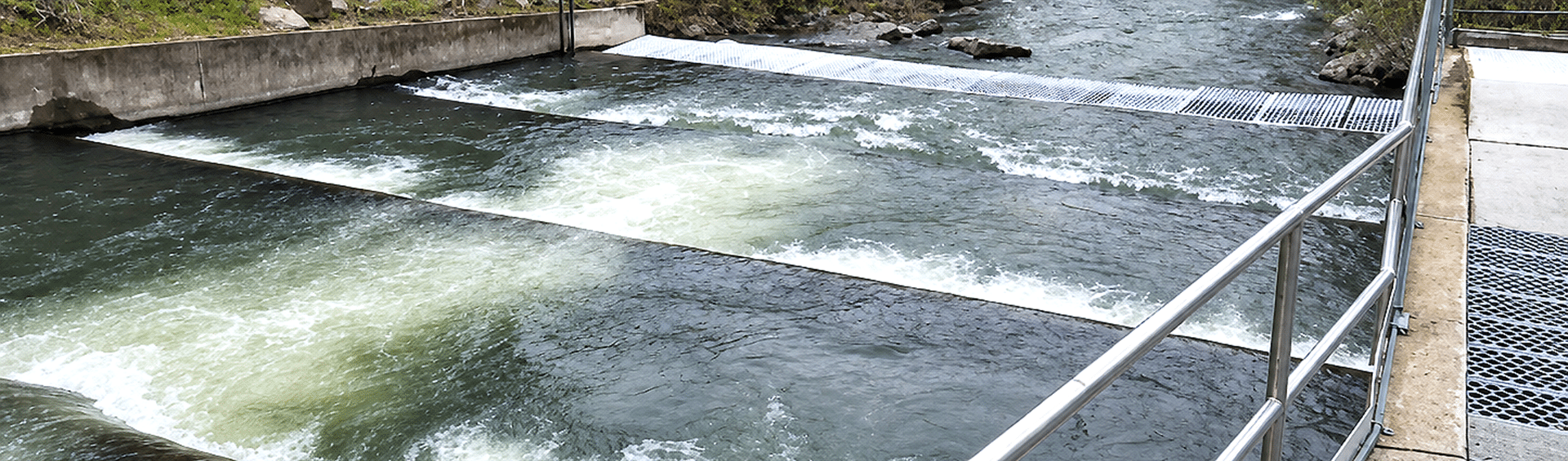
Catherine Creek Fish Passage project supports the Confederated Tribes of the Umatilla Indian Reservation’s fish trap operations.

We know that building great communities starts with teams made up of great people. If you’re exploring ways to collaborate and make an impact, join us.
Explore Career Opportunities