Shape Communities. Grow Your Career.
We know that building great communities starts with teams made up of great people. If you’re exploring ways to collaborate and make an impact, join us.
Explore Career Opportunities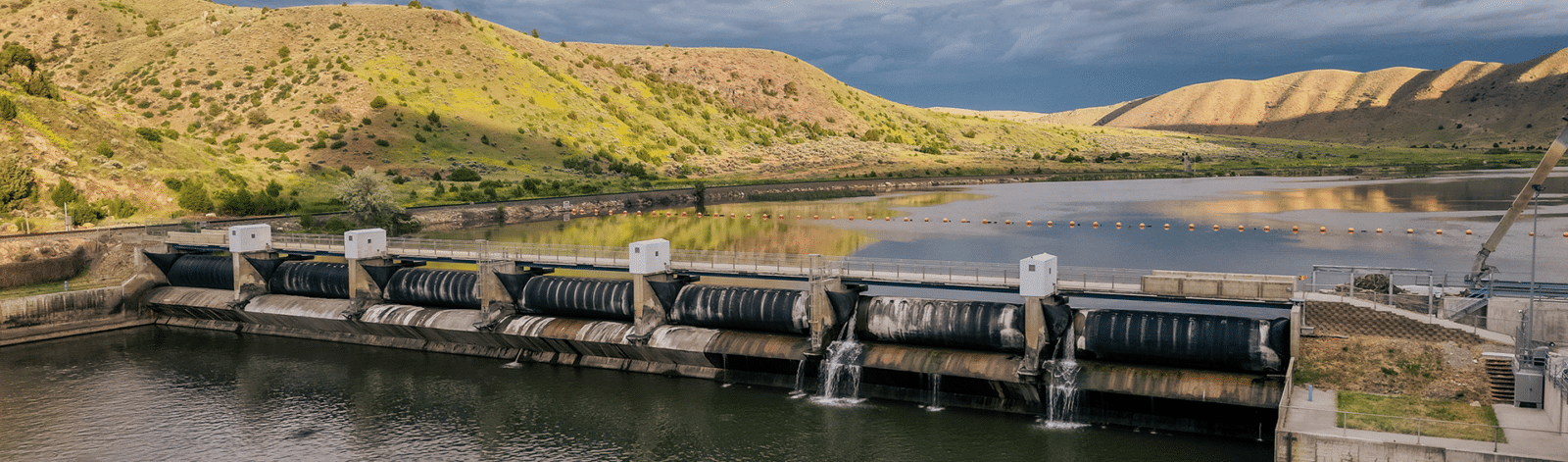
The Montana Department of Natural Resources and Conservation’s (DNRC) Broadwater-Missouri State Water Project diverts Missouri River water at Toston Dam for irrigation while supporting hydropower generation and recreation opportunities. The dam was constructed in the 1940s, and the State added hydroelectric generation in the 1980s. With the dam’s dual purpose and its unique location as the upstream-most dam on the Missouri River, the interdependence of water diversions and operational needs has posed challenges for the state for many years.
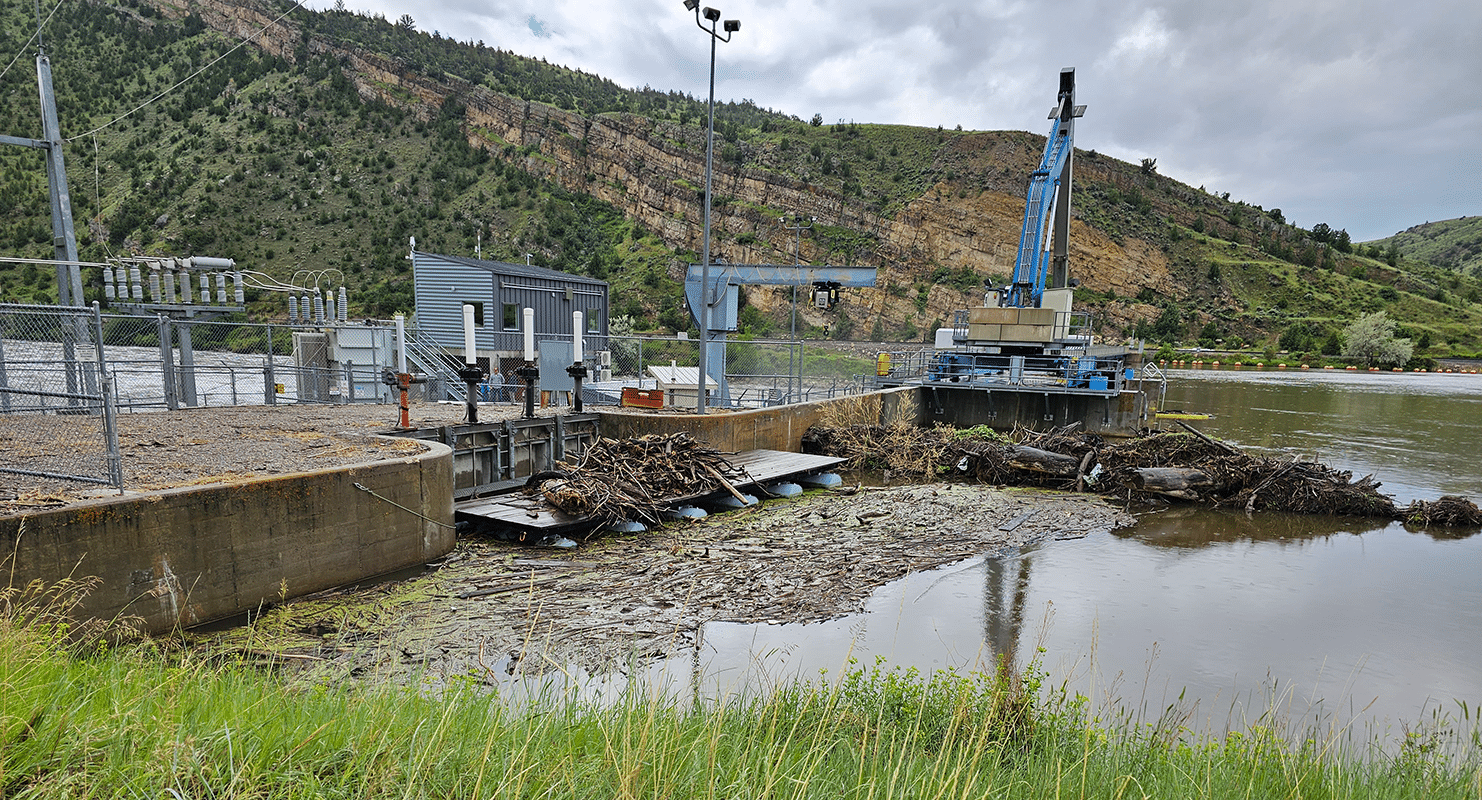
The project put forward by DNRC addressed needs in two distinct areas. Upstream of the dam, the irrigation headworks required extensive improvements to improve reliability and operations. An existing rock jetty had to be removed, and extensive reservoir-bottom grading was required to reduce the risk to the hydropower intake. In addition, a completely new irrigation headworks positioned further upstream, with trash racks to limit debris intrusion, was required. Lastly, new and modern irrigation headgates at the dam were required.
Downstream of the dam, various improvements to the main canal were required. Previously, the canal was affected by sediment deposition, so a wasteway was needed to efficiently remove it. A regulating weir structure was needed to maintain canal water levels amid fluctuating reservoir conditions, and automated remote flow measurement systems were also planned.
Morrison-Maierle’s dams and hydropower engineers recommended removing the unstable jetty, stabilizing the slope adjacent to the power intake, and constructing a new upstream intake with improved trash screens, gates, electric actuators, and controls.
The trash-screen alignment is designed to promote sweeping flow across the screen, improve equipment access, and direct collected debris toward the hydropower facility’s large raking equipment. Large, concrete-anchored HDPE conduits were designed to be floated into position, reducing cofferdam requirements, construction exposure, cost, and schedule.
In the Main Canal, a new wasteway and regulating structure was designed to serve multiple functions. An integrated lateral rectangular weir maintains and protects canal water elevations, with discharge routed to a wasteway that returns to the river. A low-level sluice gate provides efficient removal of sediment deposits. Modern, remotely controlled canal gates offer substantial improvements in operations. Instrumentation upgrades to the existing canal flow measurement station and an additional new station were also designed. New flow measurement, instrumentation, and SCADA integration will give operators better visibility and remote control across the headworks and canal.
Together, the improvements reduce debris and sediment impacts, protect hydropower infrastructure, lower maintenance demands, preserve irrigation delivery, and create the controlled river-return capacity needed for future water marketing—a potential revenue stream for the State of Montana. The result is a more resilient and efficient irrigation diversion system, designed around the combined hydraulic behavior of the dam, intake, and canal.
Reach out to learn more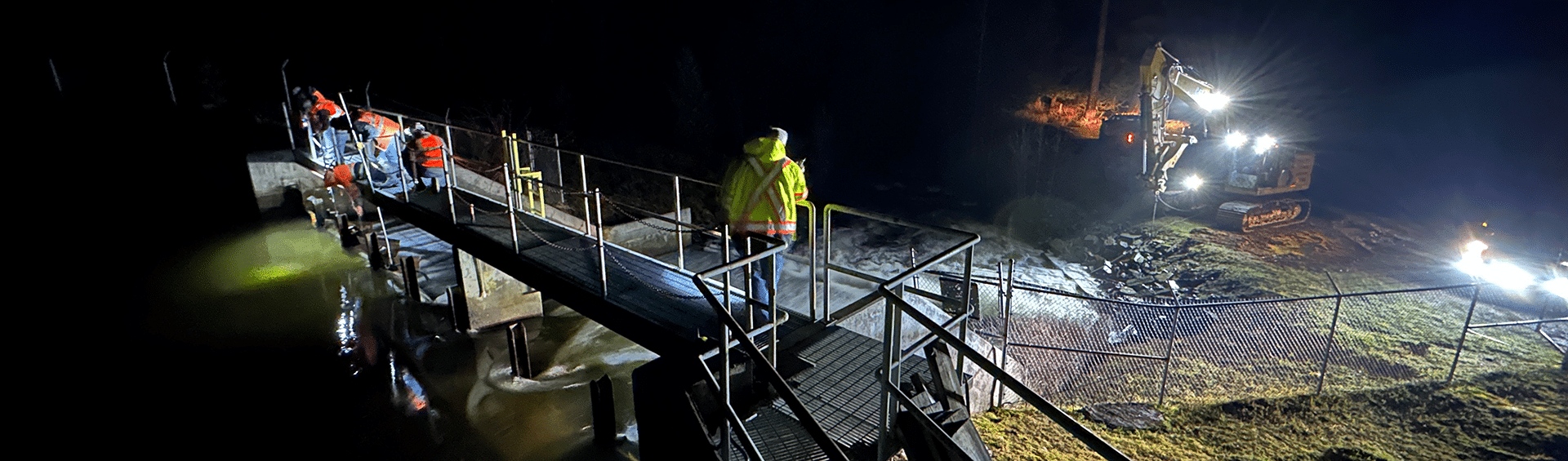
Morrison-Maierle helped perform an emergency inspection and mitigation for the Lower Flower Creek Diversion Dam after a rain-on snow event.
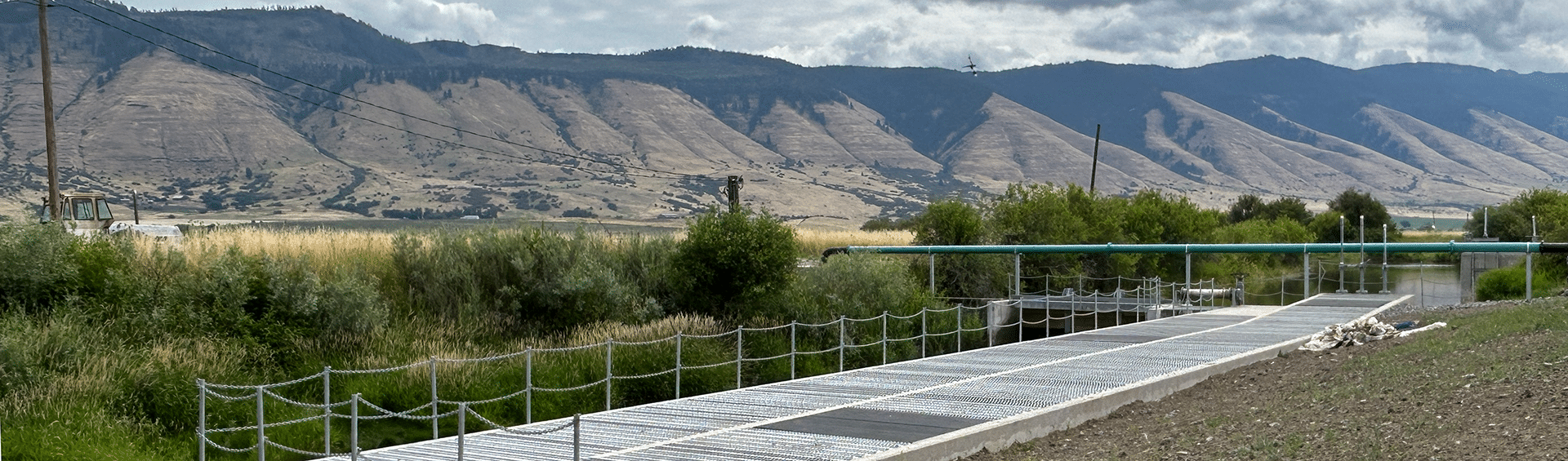
Located near La Grande, Oregon, the Elmer Dam Fish Passage project helps reconnect fish habitat in upper Catherine Creek while supporting the irrigation needs of a working agricultural property.
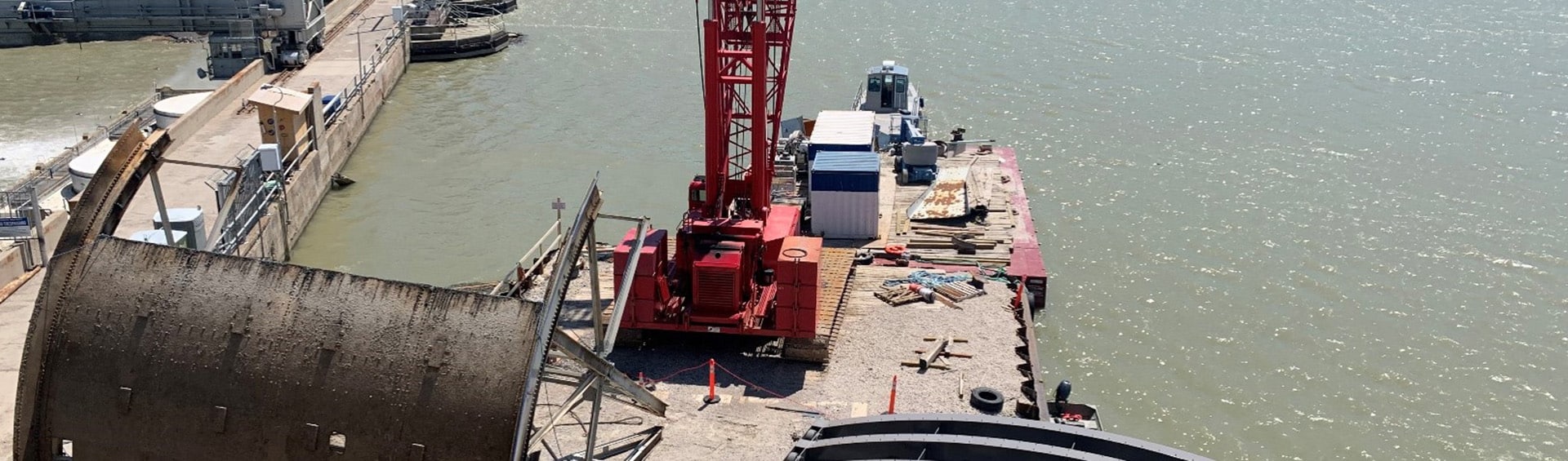
Morrison-Maierle provided procurement specifications for the new gates, hoists, heated guide system, construction sequencing for the spillway and pier modifications, and hoist house enclosure design.
We know that building great communities starts with teams made up of great people. If you’re exploring ways to collaborate and make an impact, join us.
Explore Career Opportunities