Shape Communities. Grow Your Career.
We know that building great communities starts with teams made up of great people. If you’re exploring ways to collaborate and make an impact, join us.
Explore Career Opportunities
Despite being a general aviation airport, the Bend Municipal Airport is the third-busiest airport in Oregon, serving more than 140,000 takeoffs and landings annually, and supporting private and business aviation, flight training, aircraft manufacturing, emergency response, and wildfire operations.
For years, pilots relied solely on radio communication amongst themselves to coordinate takeoffs and landings, a model that has become increasingly risky as air traffic continues to rise. The need for an air traffic control tower had been discussed since 2008, but it wasn’t until renewed momentum in the 2019 Master Plan update and subsequent acceptance into the FAA’s Federal Contract Tower (FCT) Program in 2020 that the project moved forward.
Morrison-Maierle served as prime consultant, providing structural, civil, mechanical, electrical, ICT, and fire protection engineering for the air traffic control tower and supporting site infrastructure. Once accepted into the FCT program, the project faced a fast-track schedule. The program originally required completion within five years—covering siting, environmental review, design, construction, and commissioning—but was extended to seven years midway through the construction phase.
With just six months to complete design, the team worked in parallel with permitting and bidding to maintain schedule momentum while coordinating closely with the City of Bend, the FAA, the architect, the contractor, and multiple agency stakeholders.
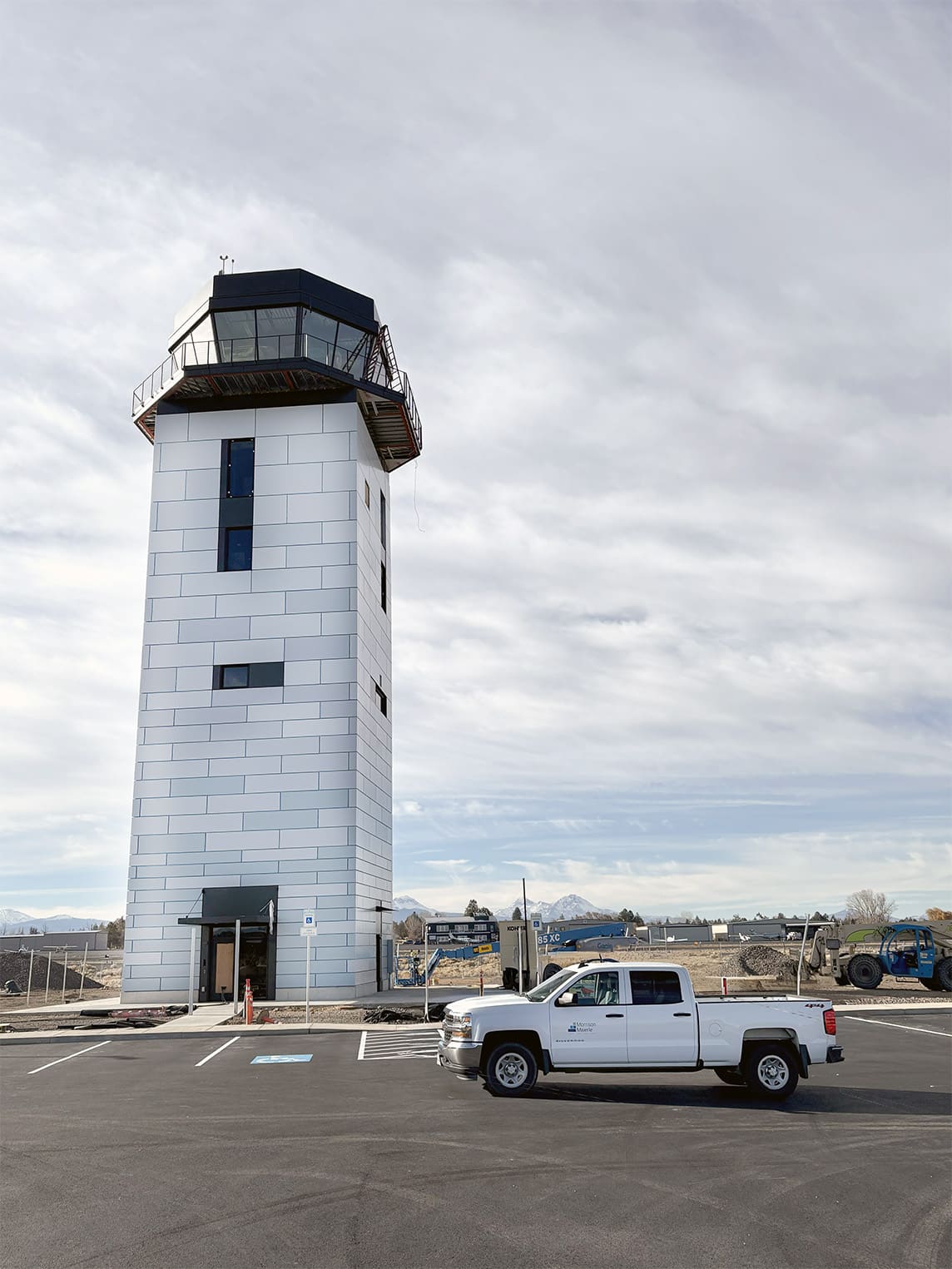
The resulting facility features an eight-level tower structure, crowned with an eight-sided, glass-enclosed cab that provides 360-degree visibility, along with a paved service road, parking area, utilities, security fencing, and weather sensors. Designed as a Risk Category IV essential facility in Seismic Design Category D, the tower includes a highly resilient structural system that can perform effectively in a significant earthquake while maintaining operational integrity.
Every detail, from the stormwater strategy to the placement of mechanical and communication systems, was engineered with both safety and constructability in mind. The completed tower will provide controlled sequencing of aircraft, safer traffic separation, and a dramatic improvement in overall airfield operations, strengthening aviation safety and supporting the long-term growth of Central Oregon.
Civil engineering
Construction administration
Electrical design
FAA standards coordination
Fire protection
ICT systems design
Mechanical engineering
Structural engineering
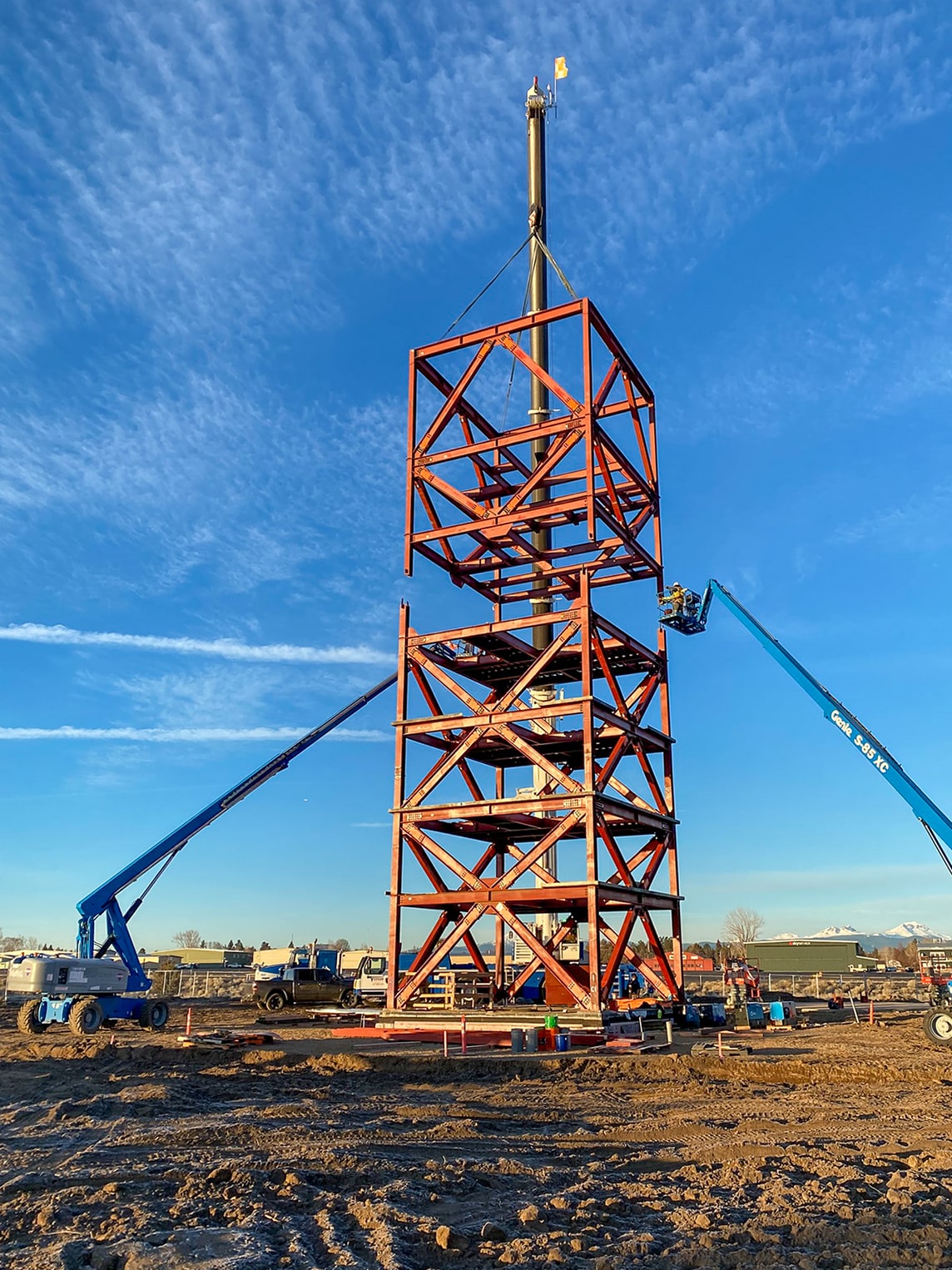
Unlike most air traffic control towers, which are typically constructed of precast concrete, the Bend tower required a more adaptable solution due to its height, seismic risk, and tight construction schedule. Morrison-Maierle evaluated multiple framing options before selecting a steel structural system paired with the Simpson Yield-Link Brace Connection, a high-resilience, energy-dissipating system designed to protect the primary structure during an earthquake. These “fuse-like” components are engineered to yield under extreme loads, absorbing seismic energy while limiting damage to the main frame, and they can be replaced after an event if necessary.
The eight-sided cab at the top of the structure was carefully designed to meet FAA requirements for sightlines and controller eye height, delivering unobstructed, 360-degree visibility across the airfield. The sloped, ultra-clear glass and all-black interior finishes minimize glare and internal reflections, improving both safety and comfort for air traffic controllers. Structural engineers paid special attention to deflection control and vibration mitigation to ensure the cab remains stable and precise, even in high winds or seismic conditions.
Construction sequencing was also a key consideration. Steel was assembled in 2½-story ground-level sections and lifted into place in three major picks, allowing crews to work more safely and efficiently using scissor lifts prior to each crane set. This approach reduced time spent working at height and improved overall site safety without compromising structural quality or alignment.
Beyond the structural design, the tower’s performance depends on a tightly coordinated network of mechanical, electrical, plumbing, ICT, and fire protection systems, all carefully woven into a compact, vertical floor plan. Morrison-Maierle designed a domestic booster pump to deliver water to the upper levels, along with a 200kW standby generator to maintain operations during power outages. A dedicated command and monitoring center, pressurized stairwell, and post-fire smoke evacuation system were integrated to meet stringent life-safety and FAA requirements.
On the civil side, one of the most unique challenges was stormwater management. Traditional surface detention ponds were not an option due to the risk of attracting birds, a serious hazard near active runways. Instead, the team implemented an underground drywell system to keep all stormwater on site while eliminating standing water. Two drywells, each more than 20 feet deep, were installed beneath the surface to manage runoff from the tower and access road. Additional sediment collection features, including a ditch system and a large sump, were designed to capture debris before infiltration.
Utility coordination included new water, sewer, electrical, communications, and fire protection connections, as well as the integration of supplemental weather sensors and a rooftop rotating beacon positioned to prevent glare into the cab. Separate FAA and airport networks were also incorporated to meet federal communication and security requirements.
In total, the project brought together five separate grants, three from the FAA for construction, one for design, and one from the State of Oregon, totaling approximately $17.5 million in awarded funding. The finished tower will be staffed by a team of FAA controllers and is scheduled for completion in early 2026, marking a significant milestone in the airport’s long-planned safety improvement efforts.
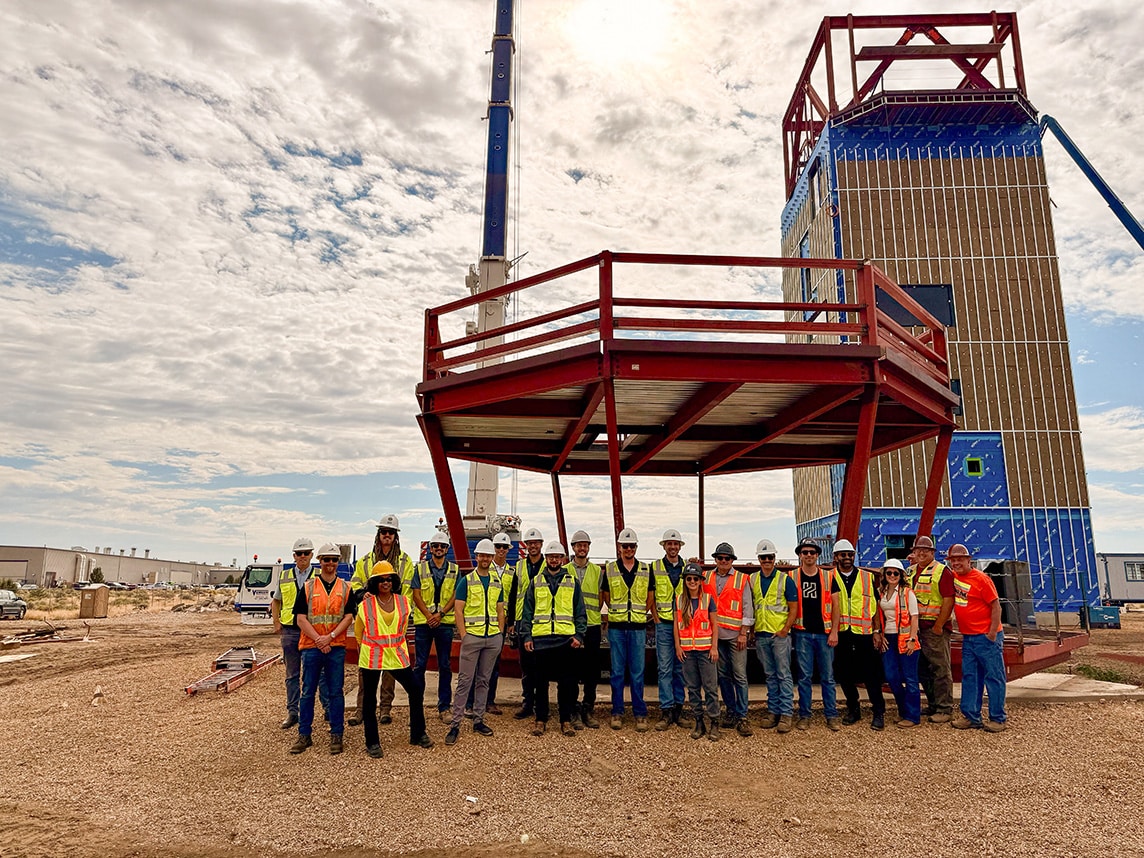
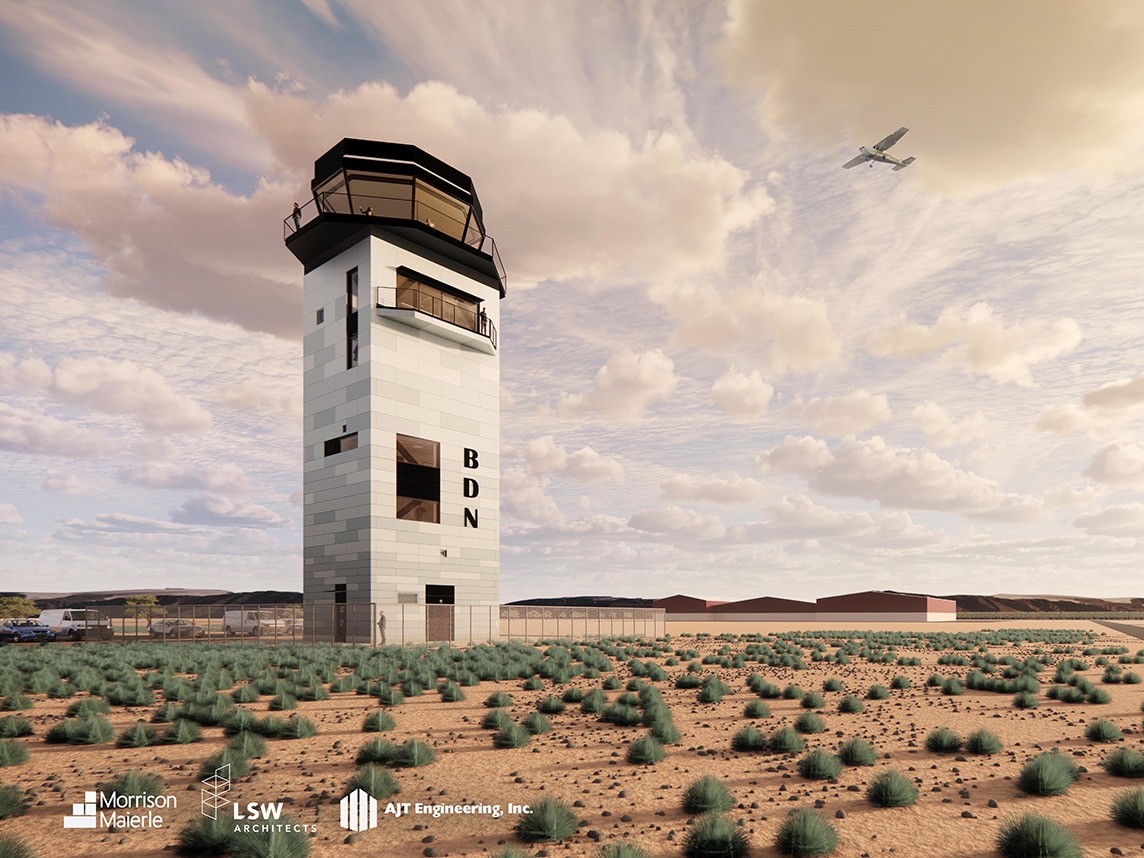
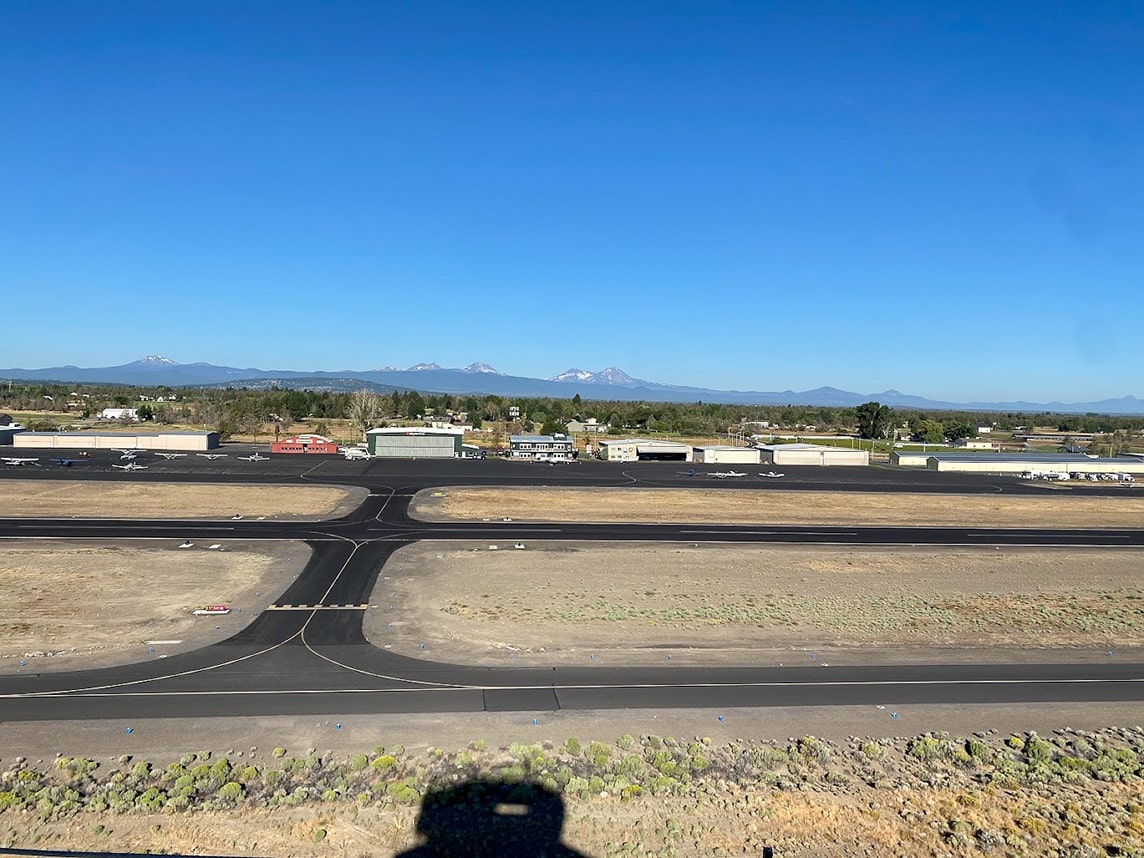
More than just a new structure on the airfield, the Bend Air Traffic Control Tower is a direct investment in regional safety, economic vitality, and long-term resilience. It’s a reflection of what’s possible when precise engineering, strong advocacy, and close collaboration come together to meet the needs of a growing community.
See more of our airport projects.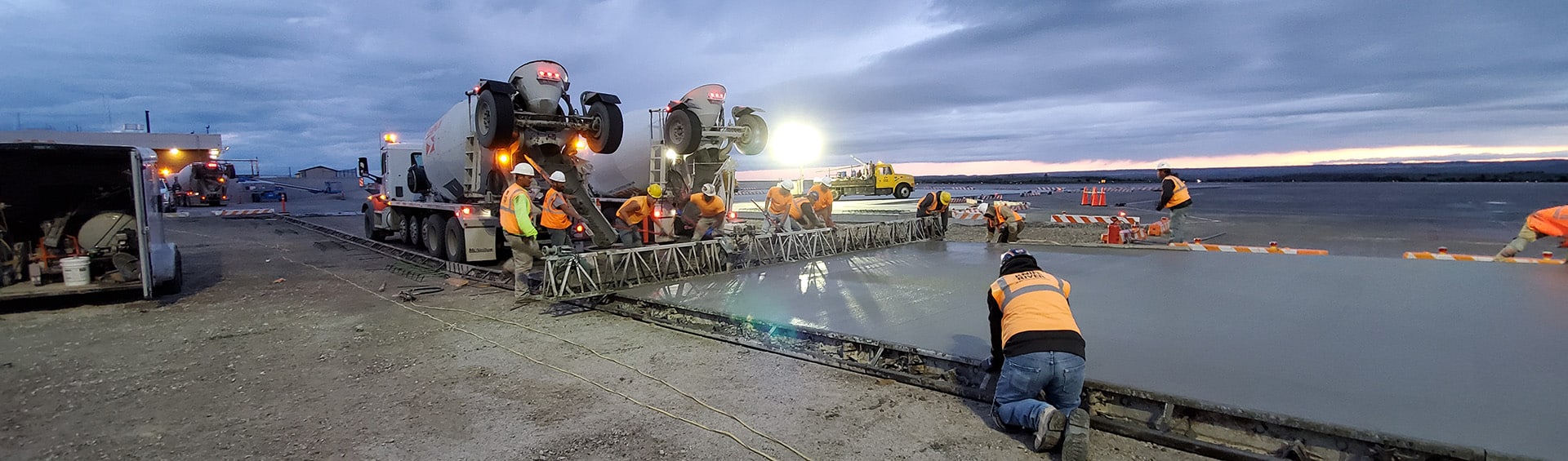
Alkali-Silica Reaction (ASR) is a chemical reaction in concrete that causes it to explode. ASR had not been seen in Montana until Morrison-Maierle discovered it at the Billings airport.
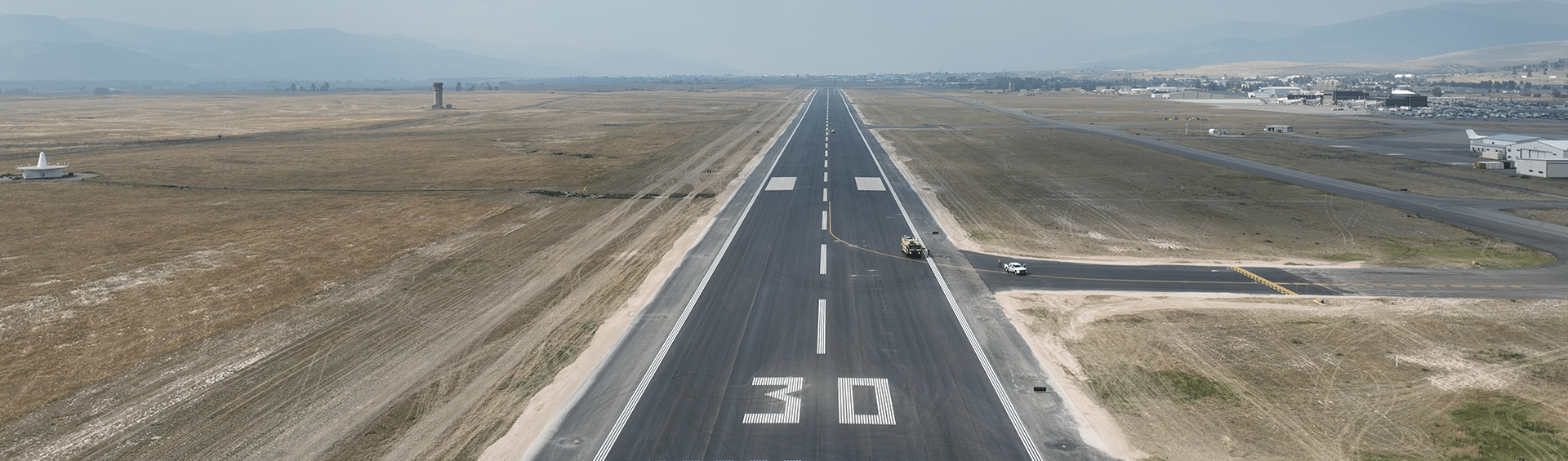
Working around the clock for over 127 hours, Morrison-Maierle and Schellinger Construction oversaw the repaving of Missoula Montana Airport runway 12-30.
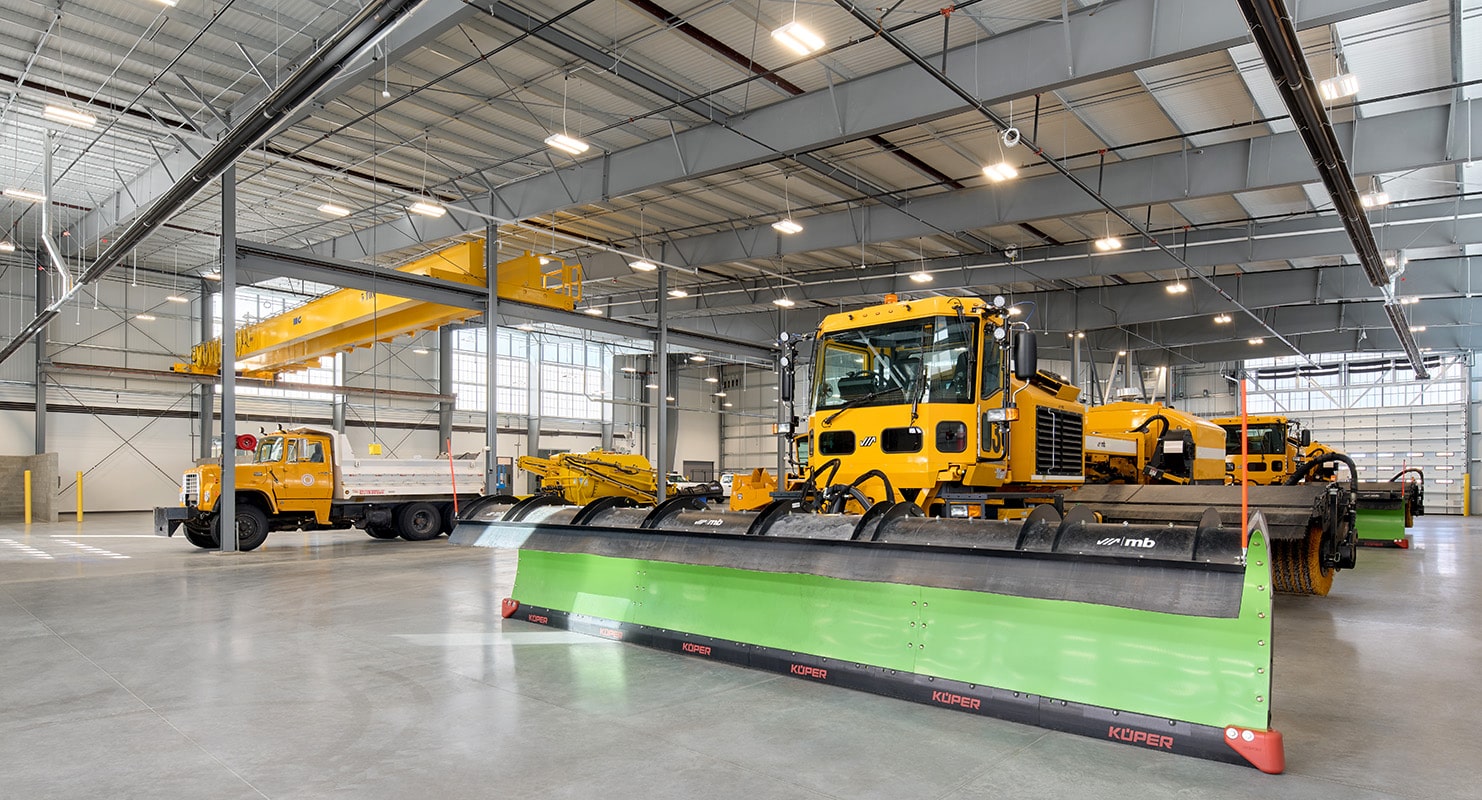
After planning sessions and exploring several options, the Redmond Airport built a new 45,000 sq. ft. snow-removal and equipment facility that could serve many purposes.
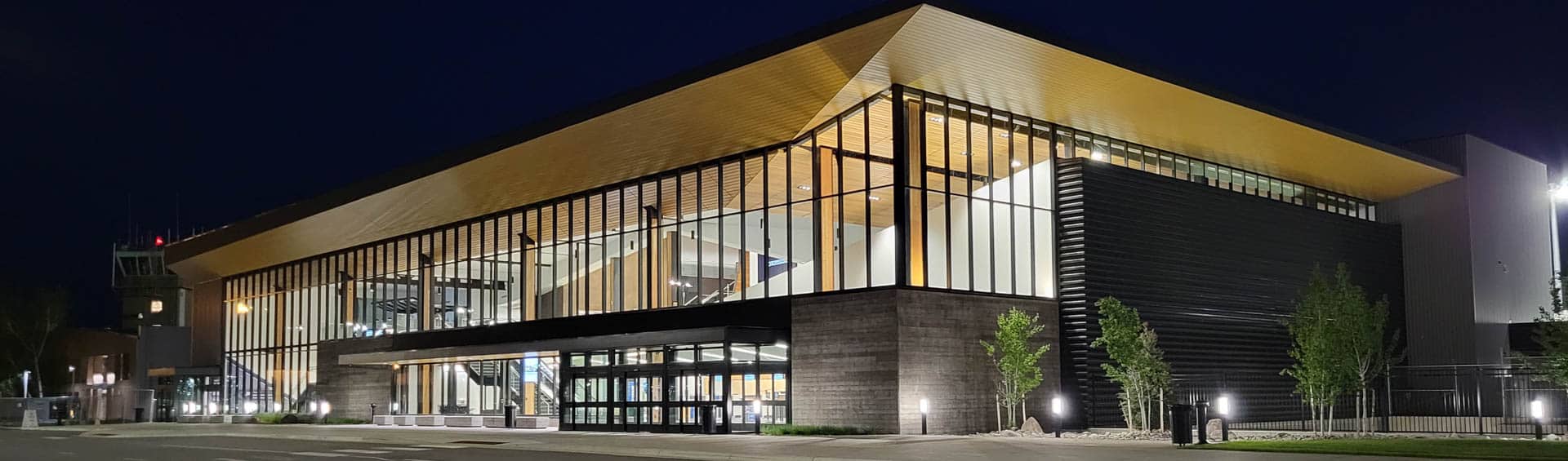
The Missoula Montana Airport hired Morrison-Maierle to help design their new passenger terminal. The new building increased airline capacity and improved safety and security for the airport.
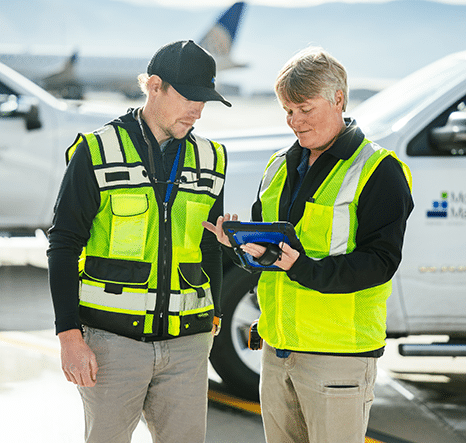
We know that building great communities starts with teams made up of great people. If you’re exploring ways to collaborate and make an impact, join us.
Explore Career Opportunities