Shape Communities. Grow Your Career.
We know that building great communities starts with teams made up of great people. If you’re exploring ways to collaborate and make an impact, join us.
Explore Career Opportunities
The Glasgow Area Timber Bridges Design-Build project addressed a pressing transportation need above the Hi-Line in the northeast corner of Montana: replacing 16 timber bridges originally built in the 1940s. While they lasted a remarkable 80 years, the bridges no longer met safety, service, or maintenance requirements. Montana Department of Transportation (MDT) needed a faster and more efficient way to modernize these critical crossings while reducing impacts to the rural communities in the area.
Bridge design
Construction support
Environmental permitting
Hydraulic design
Roadway design
Survey


The bridges carry various highways over creeks, coulees, and unnamed drainages in locations as far as 80 miles. The logistics of personnel and equipment mobilization and materials delivery led the design-build team to divide the project into six construction packages that ensured steady, coordinated progress.
The sixteen new structures included four distinct bridge types: five conventional beams with cast-in-place decks, five prestressed concrete bulb-Ts, two prestressed concrete tri-decks, and four precast concrete box culverts. Bridge type selection at each site was a collective balance of various disciplines and concerns, resulting in the least cost to MDT.


Morrison-Maierle and Sletten Construction partnered as a design-build team to deliver the largest bundled bridge package ever tendered by MDT. Unlike a traditional design-bid-build approach that could have stretched over a decade or more, the design-build team completed the work in just two and a half years by integrating design and construction into a single process.
Ultimately, the project demonstrates how bundled bridge packages and collaborative delivery models can become templates for large-scale infrastructure renewal, saving transportation agencies years and millions of dollars.
The phased, design-build delivery provided lessons in efficiency, repetition, and collaboration. As construction crews began building the first bridges, design teams advanced to the next package and refined their design strategies based on contractor feedback and recent experience with designing similar bridges. Because each bridge built informed the next, leading to refinements that accelerated delivery and optimized constructability.


Four of the 16 bridges were replaced with concrete box culverts to reduce maintenance costs and allow for wider, guardrail-free crossings, which in turn reduce snow drift accumulation and accident risks. Box culverts also require inspections every four years instead of every two years, which is standard for bridges.
Two of the bridges used partial-depth precast deck panels, among the first in Montana. These panels eliminated traditional formwork and curing delays, accelerating construction while maintaining quality. Though more common in Utah and Colorado, their application here provided valuable experience for future use on high-traffic corridors.
To eliminate the “bridge bump” common to many rural structures, the design accounted for girder camber in the haunch deck design to create a smoother roadway surface. This decision creates a more pleasant driving experience with long-term durability.
At the same time, the project team coordinated with interested parties and the local communities to avoid disrupting critical infrastructure, such as a waterline serving over 500 residents. The design maintained traffic within the existing right-of-way, shortening detours and minimizing environmental impacts.
This effort was not just about replacing old bridges; it was about creating safe, durable, and sustainable infrastructure for rural communities, ranchers, and travelers for years to come. By combining innovative engineering with collaborative delivery, the Glasgow Area Timber Bridges Design-Build project stands as a model for modernizing aging infrastructure efficiently and cost-effectively.
Learn more about our bridge work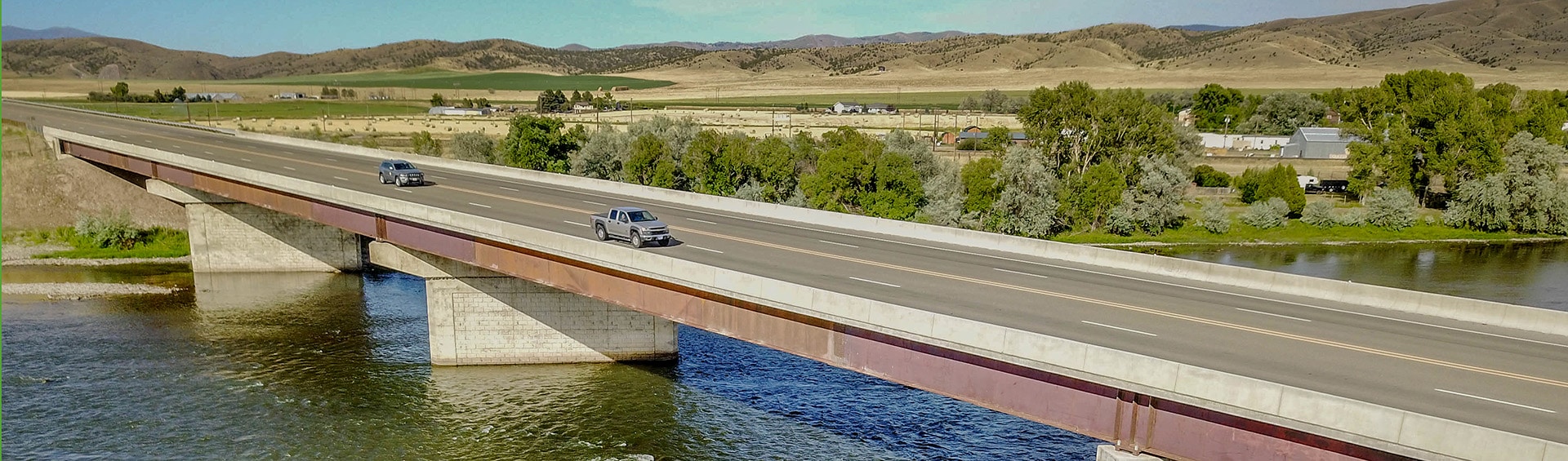
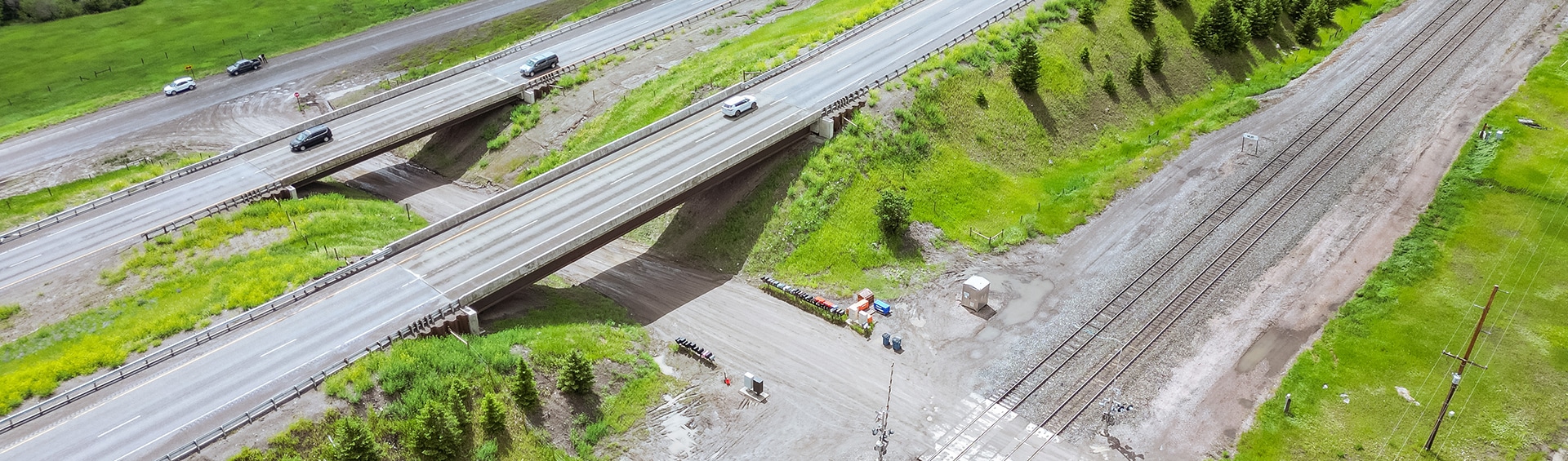
Due to severe deterioration, the Montana Department of Transportation (MDT) needed to replace the two Quinn Creek structures east of Bozeman on I-90.
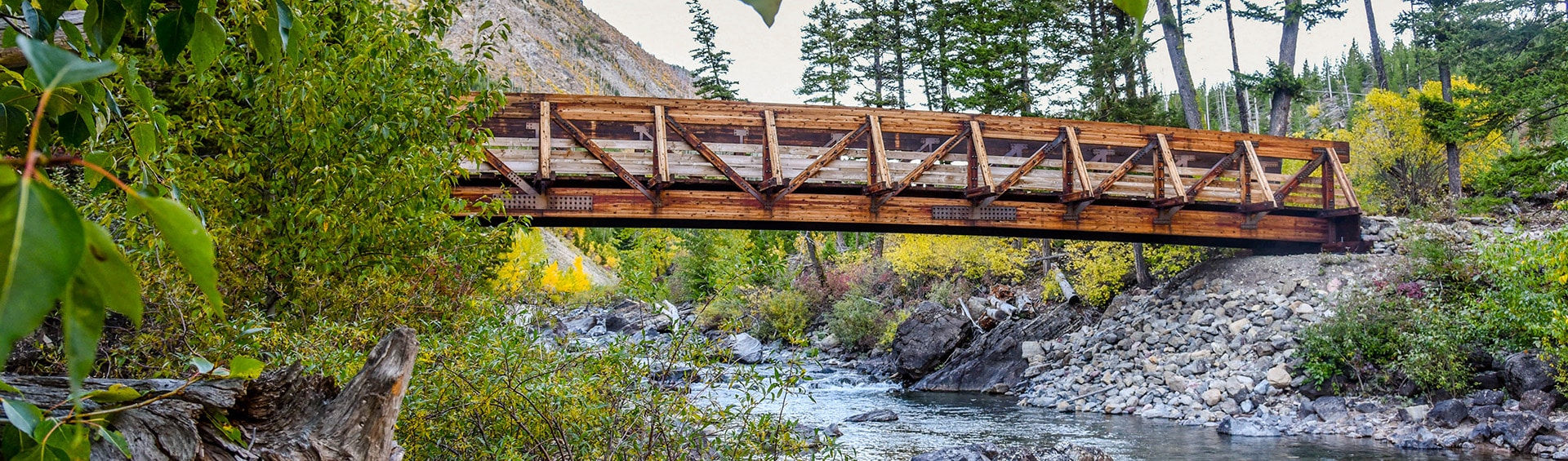
Morrison-Maierle designed two wilderness-area bridges on the Hobnail Tom Trail. These single-span structures reused materials from existing structures.
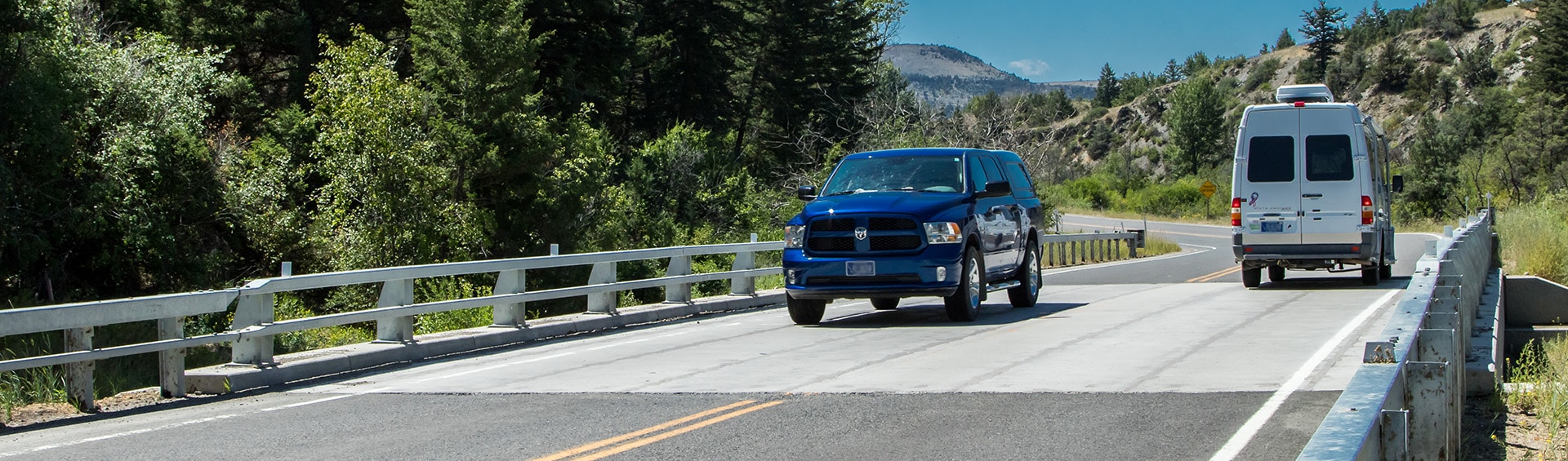
Morrison-Maierle designed a modular, pre-cast bridge system that replaced three structures in a narrow Montana canyon in less than 60 hours.
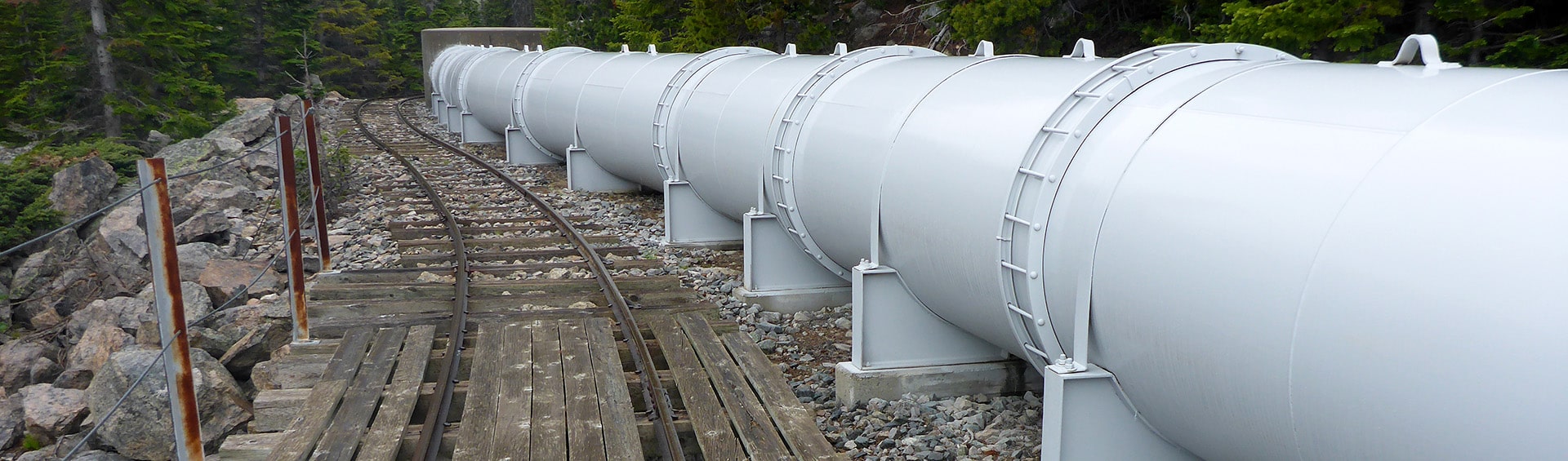
Morrison-Maierle provided engineering services for design and development of construction documents for the new steel trestle bridges along the Mystic Lake flowline hydroelectric project.

We know that building great communities starts with teams made up of great people. If you’re exploring ways to collaborate and make an impact, join us.
Explore Career Opportunities