Shape Communities. Grow Your Career.
We know that building great communities starts with teams made up of great people. If you’re exploring ways to collaborate and make an impact, join us.
Explore Career Opportunities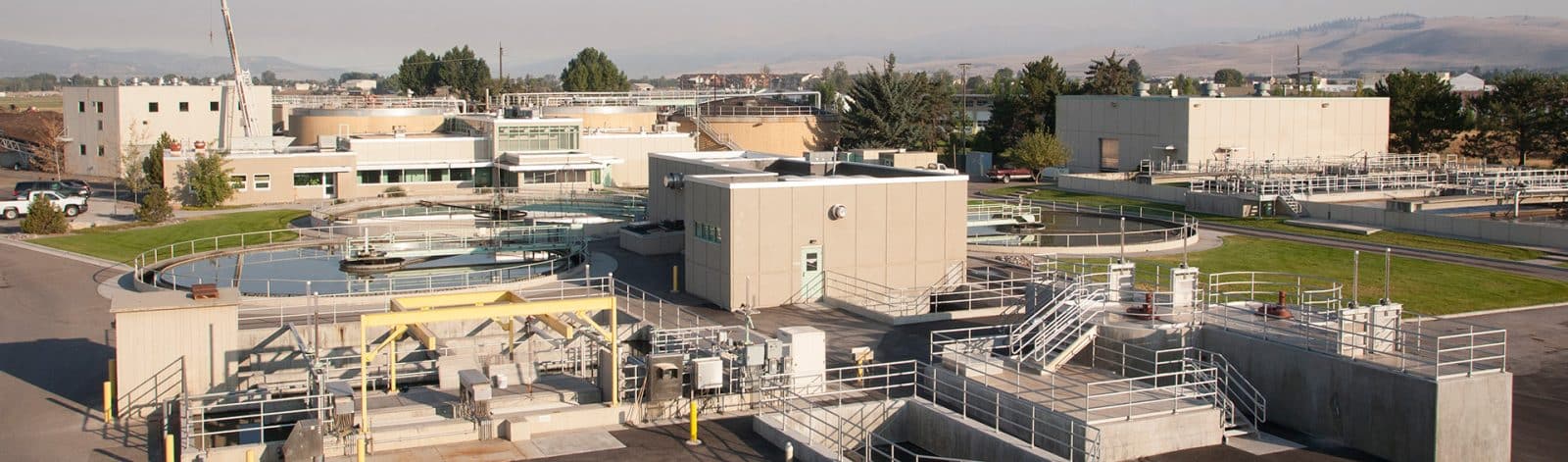
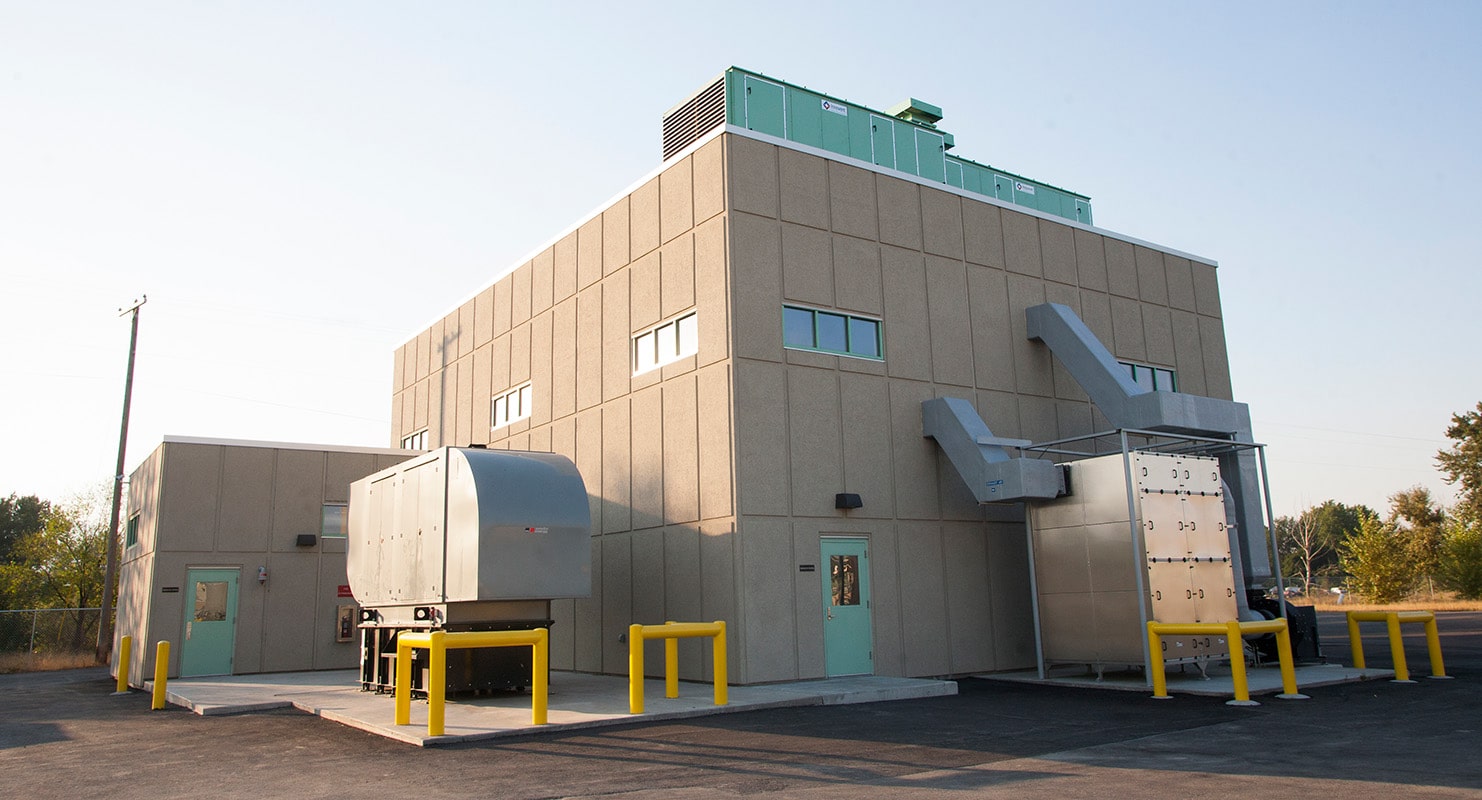
The Missoula Wastewater Treatment Plant Headworks project resulted from an increasing number of resident complaints. The City of Missoula received an Order to Take Corrective Action from the Missoula City-County Health Department regarding odors from EKO Compost and the City’s Wastewater Treatment Plant (WWTP). The order required the city to complete an odor-characterization study and submit a plan for corrective action, which recommended improvements to the WWTP Headworks and aerated grit chamber, which were the largest single source of odors at the plant.
Replacement of the Headworks required that the existing headworks facility remain in service until the new facility was put on line. This necessitated construction of the new facility in a very small footprint, surrounded by existing plant process units and directly adjacent to the Clark Fork River.
Civil engineering design
Bidding
Construction-phase engineering services
Design of new grit chambers
Effluent flow measurement structure design
Wastewater process design
Structural design
Mechanical and plumbing design
Electrical design
Site civil design
Structural inspections of reinforced concrete, masonry shear walls, and structural steel
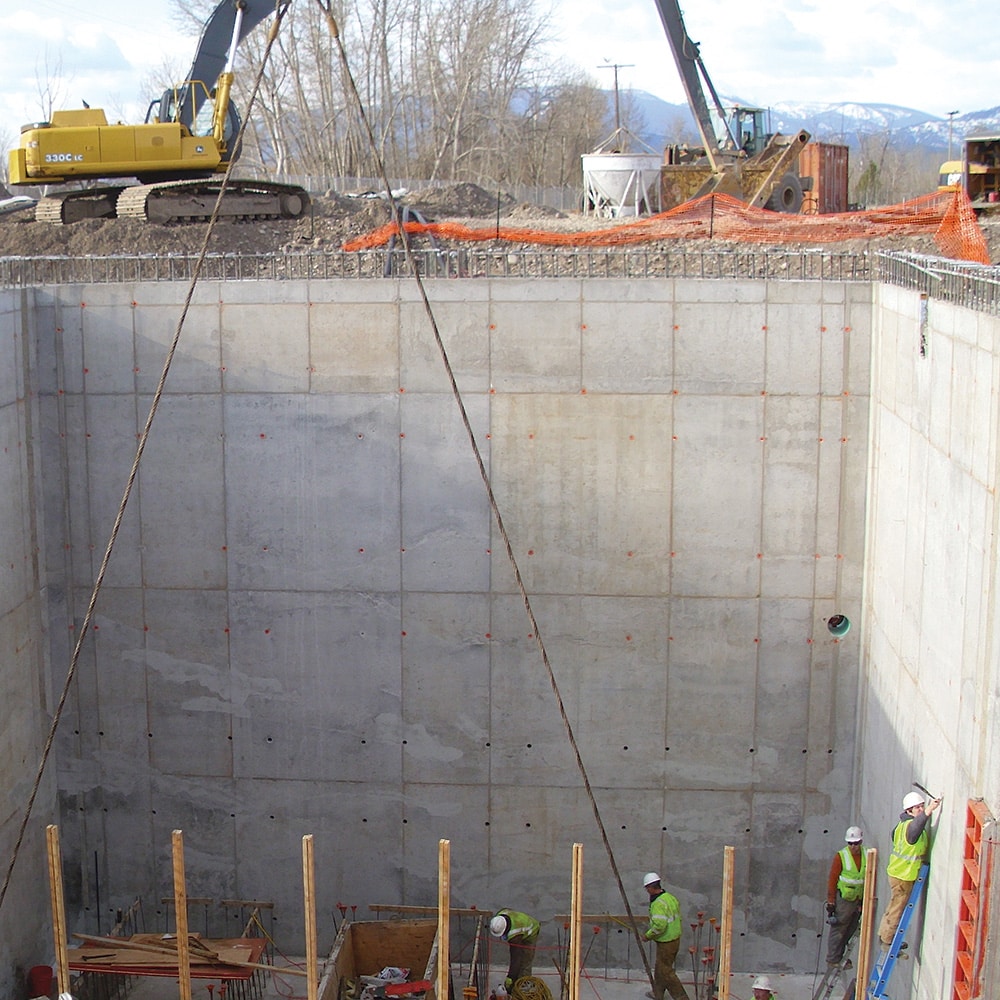
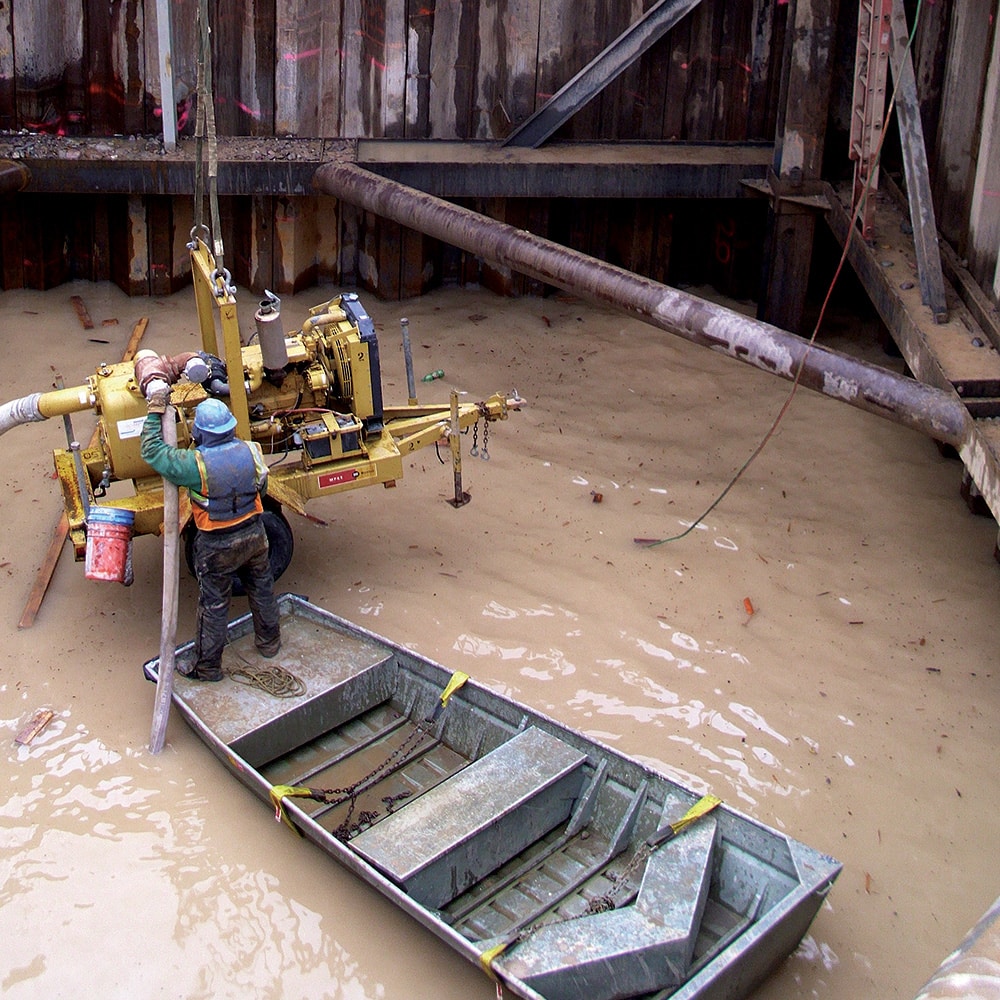
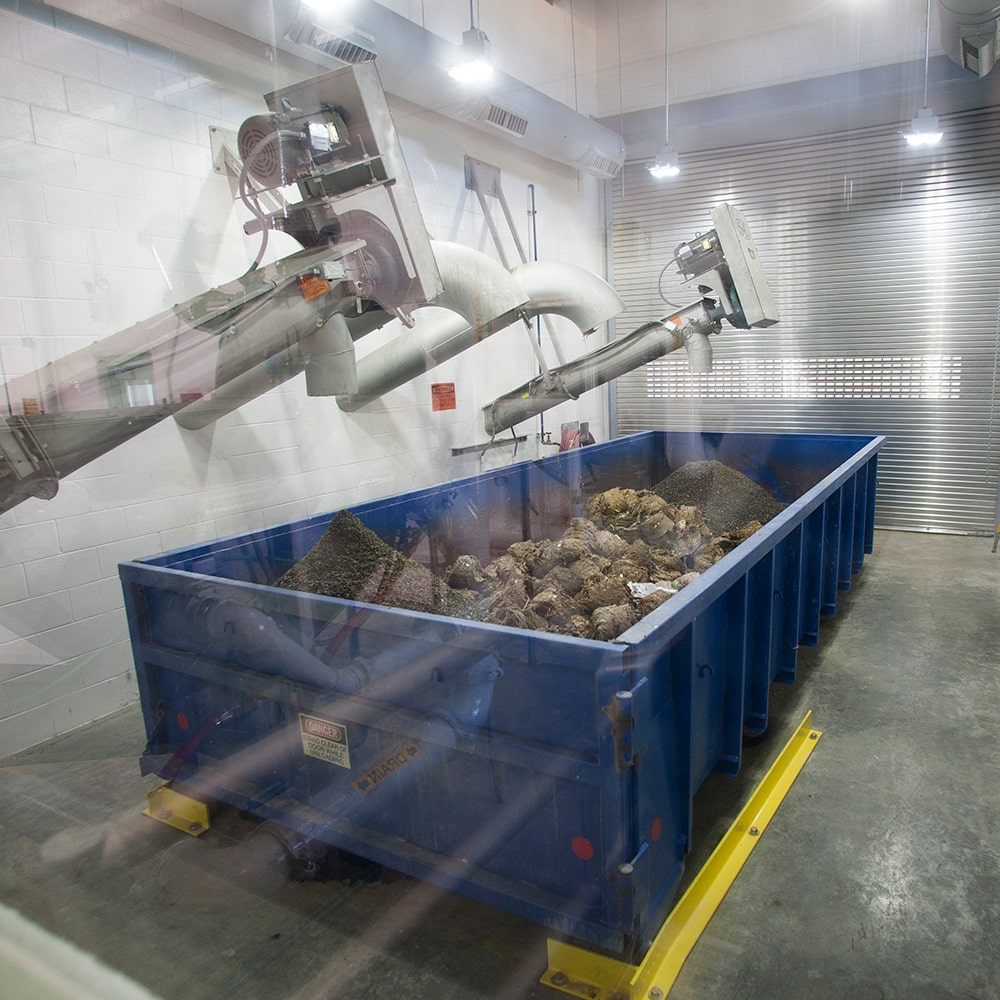
While the building footprint was fairly small, the building’s lower level needed to be approximately 32 feet deep. Groundwater levels at the site fluctuated between 22 feet to eight feet below the surface. Conventional dewatering of the excavation was not possible due to the proximity to the river. In addition, the lower level had to be completed and backfilled prior to spring runoff and coinciding high groundwater levels to prevent buoyancy uplift forces from moving the building.
The small working space, close proximity to the Clark Fork River and the weather made this an unusually difficult project. The deep excavation construction necessitated the use of cofferdams and a tremie concrete seal at the base of the excavation to minimize the groundwater flow into the excavation.
This work was initiated in October and the cofferdam installation proceeded during the winter months adding adverse weather conditions to the host of challenges. The critical path scheduling required completion and backfill of the lower level foundation and 32-foot high walls before the annual spring runoff and concurrent increase in groundwater levels.
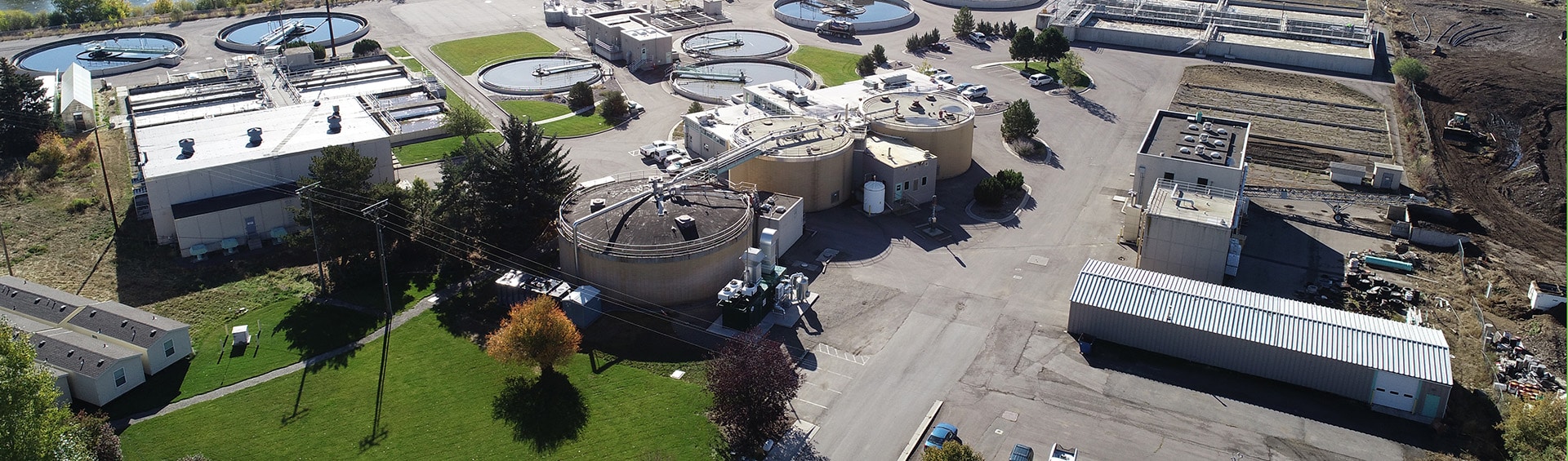
The City of Missoula Cogeneration System uses the biogas produced at its wastewater treatment plant to create its own heat and electricity to power the plant.
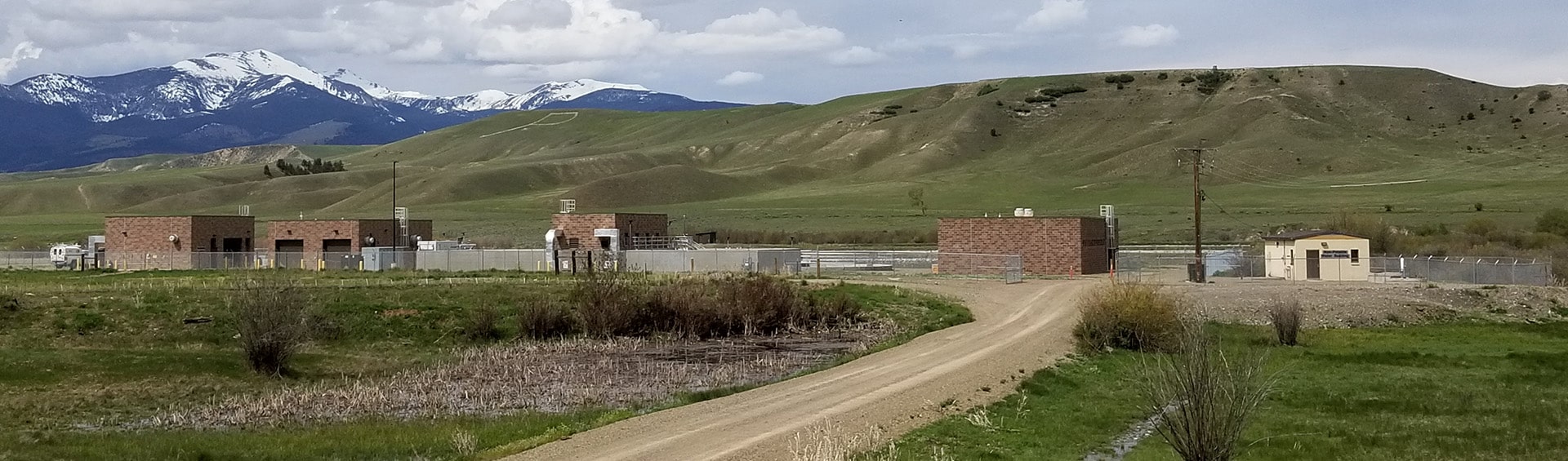
With several physical constraints and obstacles to factor into this project, the City of Deer Lodge now has a long-term, cost-effective solution for its wastewater treatment.
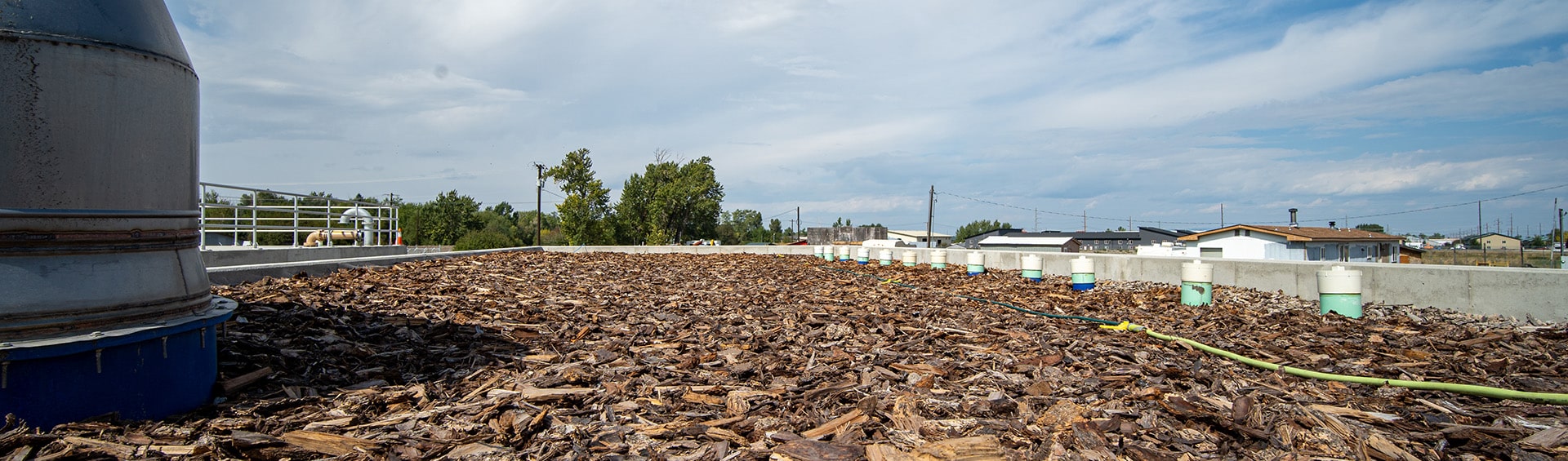
Four Corners Wastewater Treatment Plant

We know that building great communities starts with teams made up of great people. If you’re exploring ways to collaborate and make an impact, join us.
Explore Career Opportunities