Shape Communities. Grow Your Career.
We know that building great communities starts with teams made up of great people. If you’re exploring ways to collaborate and make an impact, join us.
Explore Career Opportunities
When the City of Great Falls needed a wastewater treatment plant screen replacement, Morrison-Maierle engineers faced a high-stakes challenge: modernize the headworks with an ineffective screen inside an active facility while maintaining continuous wastewater service. The Great Falls Wastewater Treatment Plant headworks screening replacement combined bypass pumping, confined-space rehabilitation, equipment selection, and coordinated electrical, controls, HVAC, and access improvements.
Through careful planning and flexible design, the team delivered a cost-effective, efficient solution that improves debris removal, operator safety, odor control, and long-term reliability.
Maintained uninterrupted wastewater treatment while bypassing average flows of 5.5 to 6 million gallons per day, with capacity for up to 8,000 gallons per minute.
Avoided an estimated $250,000 duplicate bypass-pumping event by completing the channel inspection during the planned construction bypass.
Reused and rehabilitated the existing headworks facility, minimizing major new construction while improving long-term performance.
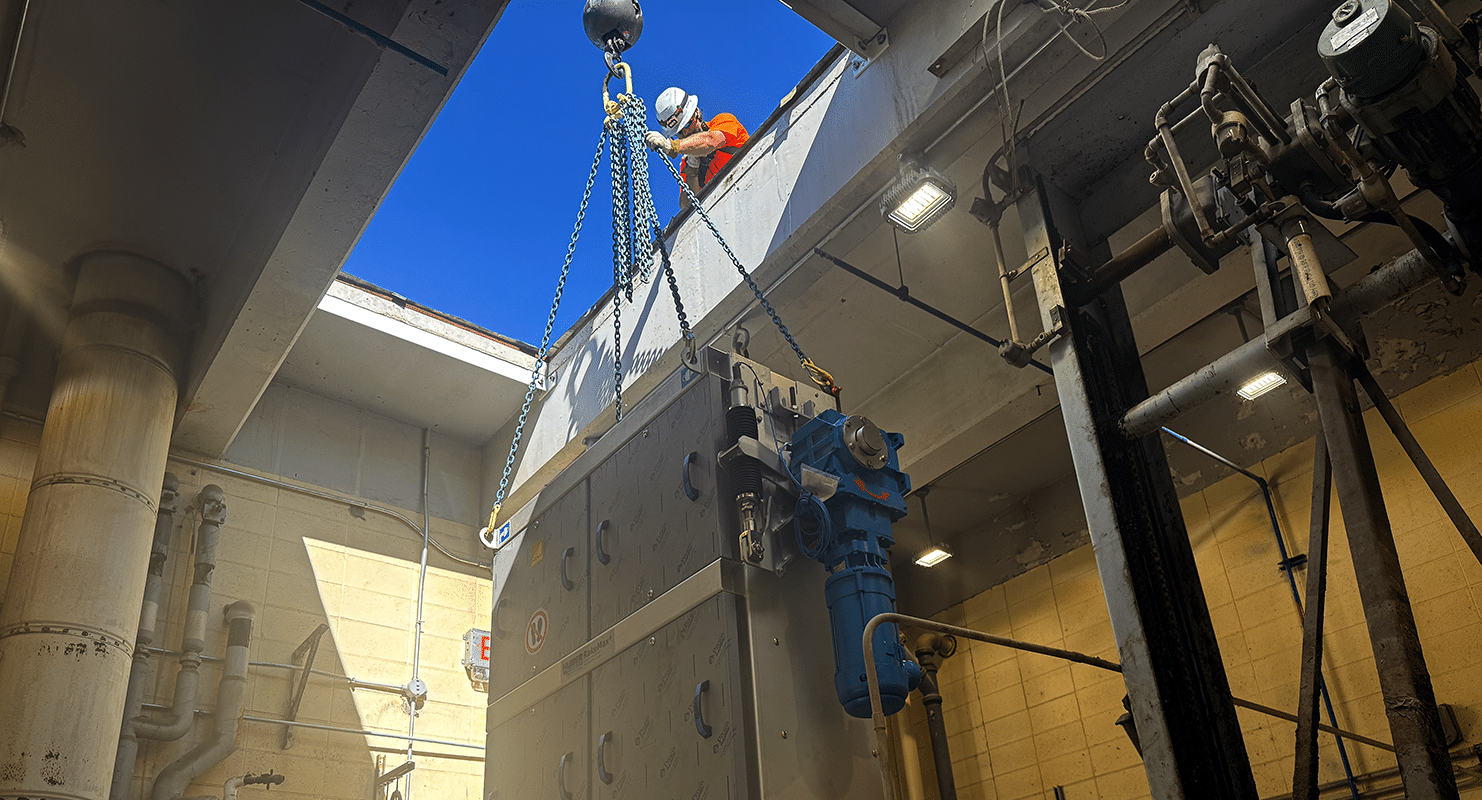
Installed a compact screening and washer/compactor system that captures more debris, reduces odors, improves handling, and protects downstream equipment.
Adapted quickly to undocumented drain lines, unexpected wastewater flows, and unusual asphalt-like material without interrupting plant operations.
Strengthened operator and engineer safety through coordinated confined-space procedures, gas monitoring, fall protection, and adjustments that reduced hydrogen sulfide exposure.
Approximately 60 percent of the city’s wastewater flow passes through this side of the headworks. Average bypass flows were estimated at 5.5 to 6 million gallons per day, and the temporary system was designed for up to 8,000 gallons per minute. Because flows arrived from multiple sources rather than one convenient manhole, the contractor needed to route large suction hoses through constrained access points, remove manhole tops, install strategic pipe plugs, and maintain backup plans. Morrison-Maierle involved a contractor during design to evaluate bypass strategies early, reducing construction surprises and protecting uninterrupted treatment.
A separate pre-design bypass event for a brief channel inspection was estimated at approximately $250,000. Instead, Morrison-Maierle designed for conservative rehabilitation assumptions and scheduled the detailed inspection during the construction bypass, when temporary pumping was already required. This approach avoided duplicative work and cost while preserving flexibility to address actual field conditions.
The existing building and channel geometry required a compact screen that could operate vertically or at a slight angle while providing sufficient hydraulic capacity, reliable debris removal, and practical maintenance access. Morrison-Maierle compared manufacturers, configurations, bar spacing, procurement options, and washer/compactor requirements. The selected system captures more material at the front of the process and dewaters and compacts screenings, making them easier for operators to handle while helping protect downstream pumps and equipment.
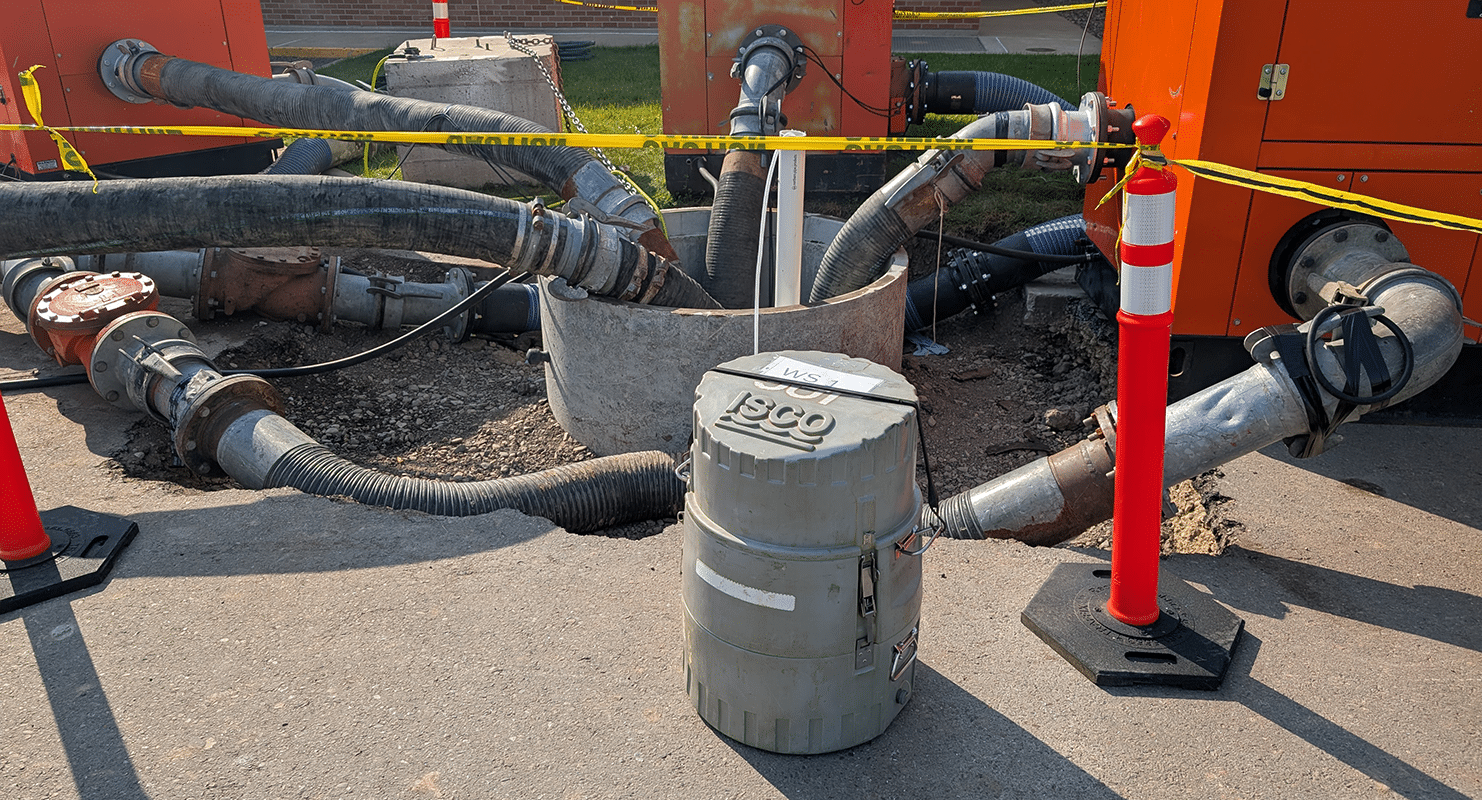
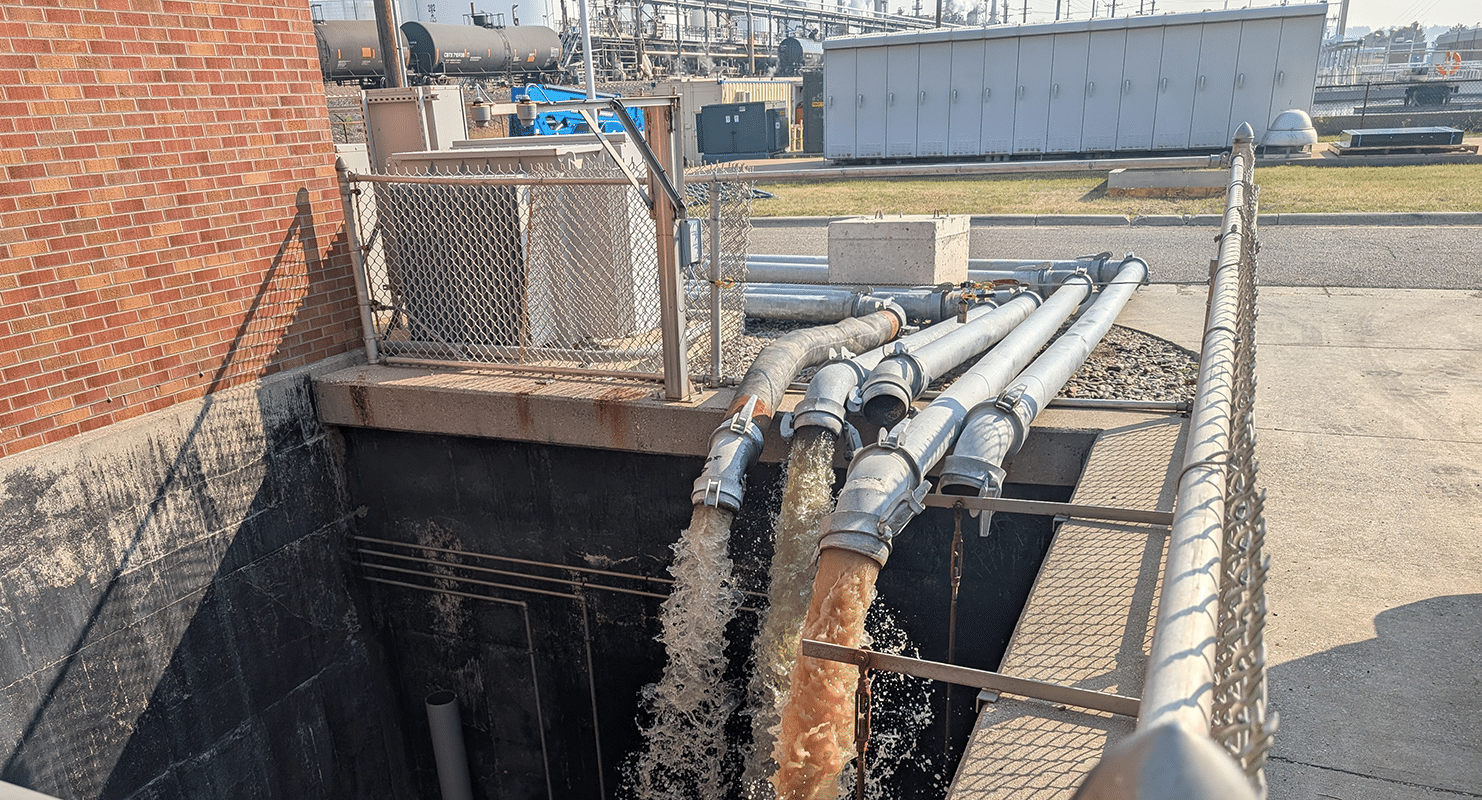
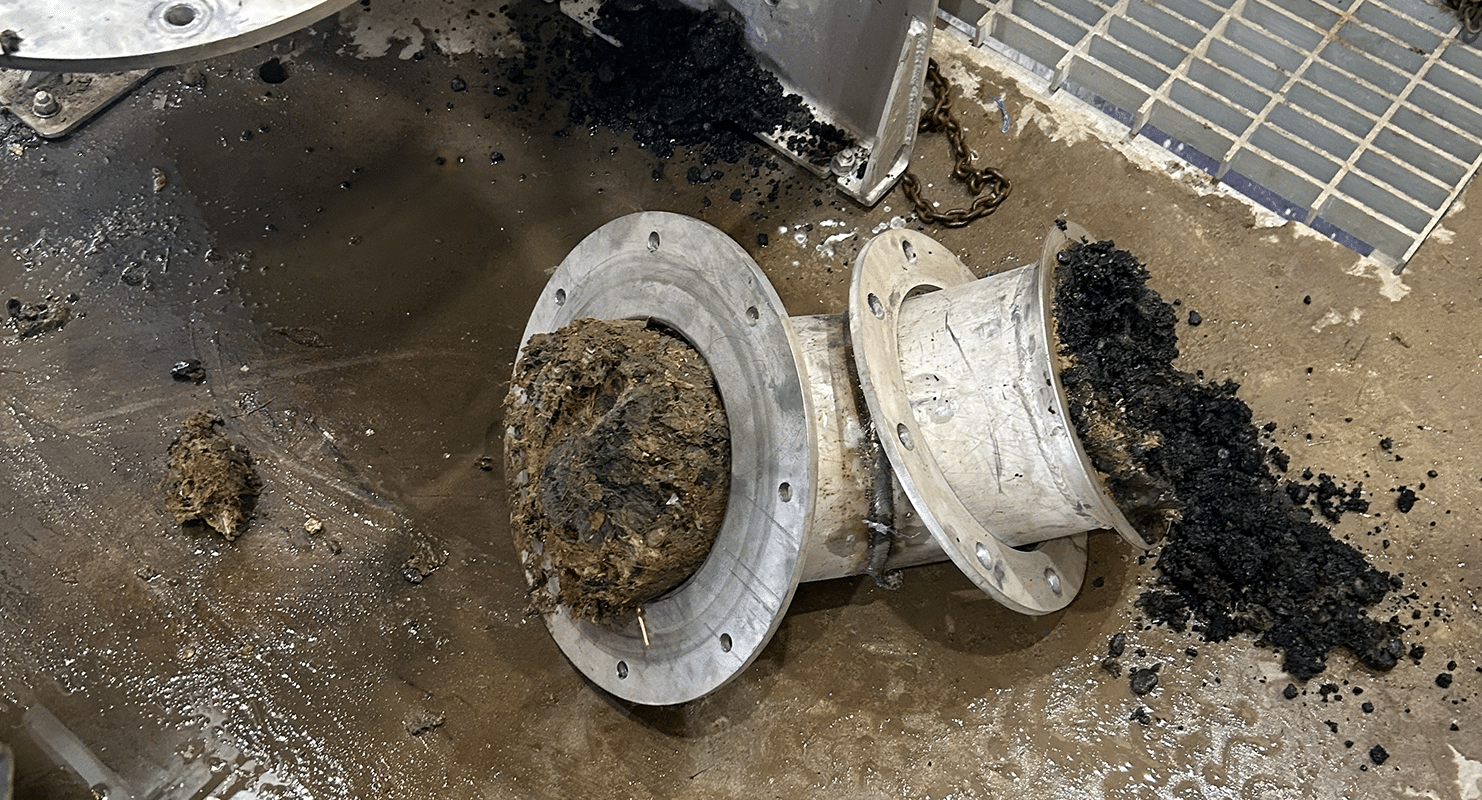
Construction revealed undocumented drain lines, unexpected flows, and a line shown as abandoned that still carried wastewater. The team worked with the contractor to plug or abandon lines where appropriate and added a bypass pump for localized flow. During startup, asphaltlike material entering the sewer clogged the washer/compactor. Operators and engineers monitored the issue until the seasonal source stopped. Importantly, the new screen captured the material before it could travel downstream.
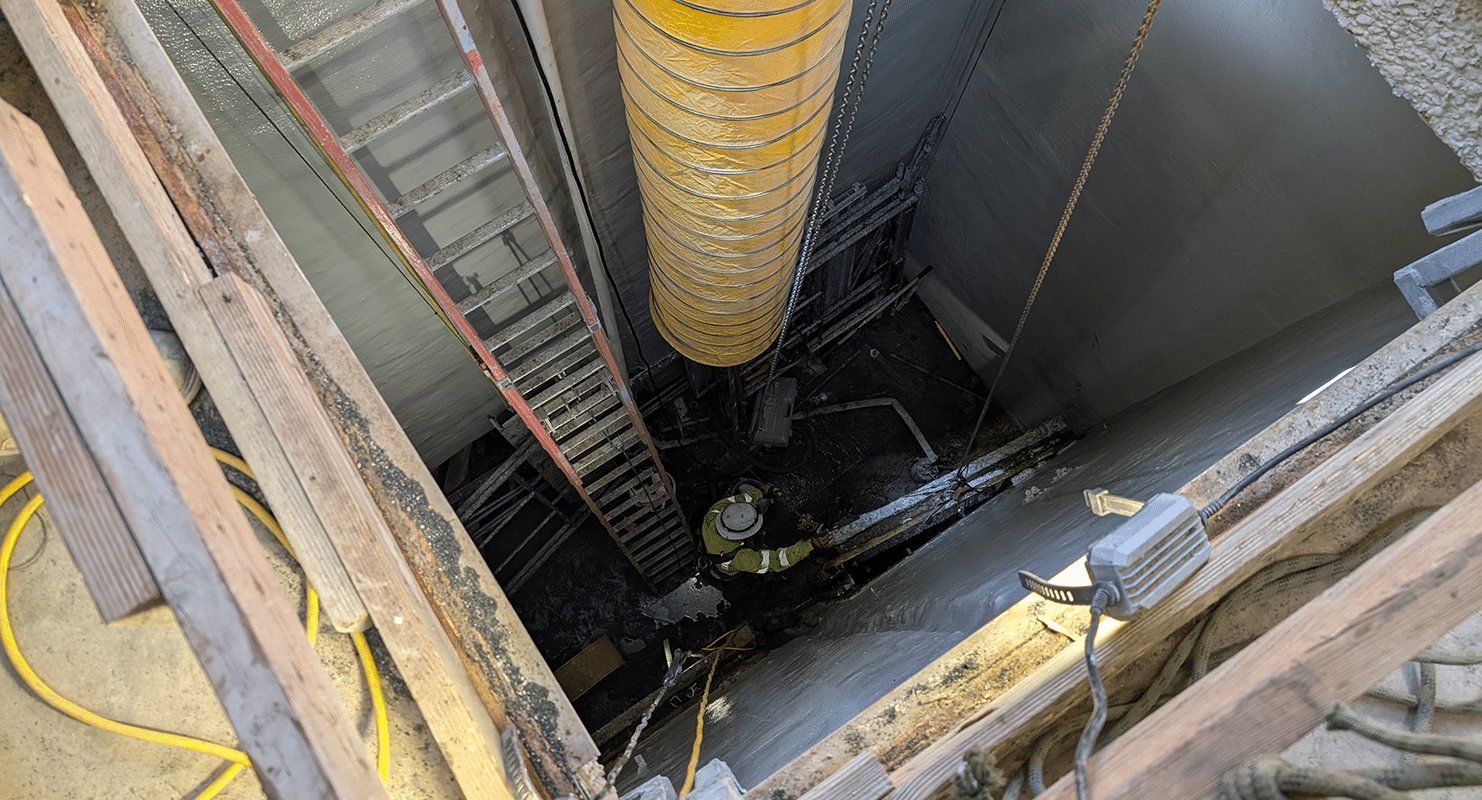
Engineers also needed to inspect concrete repairs and coatings inside a narrow influent channel approximately 20 to 24 feet deep. Morrison-Maierle coordinated with its safety officer, the City, Veolia, and the contractor to address hydrogen sulfide, fall, access, and engulfment hazards. The team completed required training, assigned entry roles, used calibrated gas monitoring equipment, and provided fall-restraint and retrieval systems. When bypass splashing increased hydrogen sulfide conditions, the discharge configuration was adjusted to reduce off-gassing and support safer entry.
The completed project reused the existing facility while replacing the ineffective screen, rehabilitating the influent channel, replacing slide gates, and integrating supporting building systems. Construction finished at approximately $1.961 million—slightly below the $1.988 million bid. The upgraded headworks now captures more debris, improves screenings handling, reduces odors, protects downstream equipment, and supports safer, more reliable operations.
Is it time to plan your next wastewater facility improvement?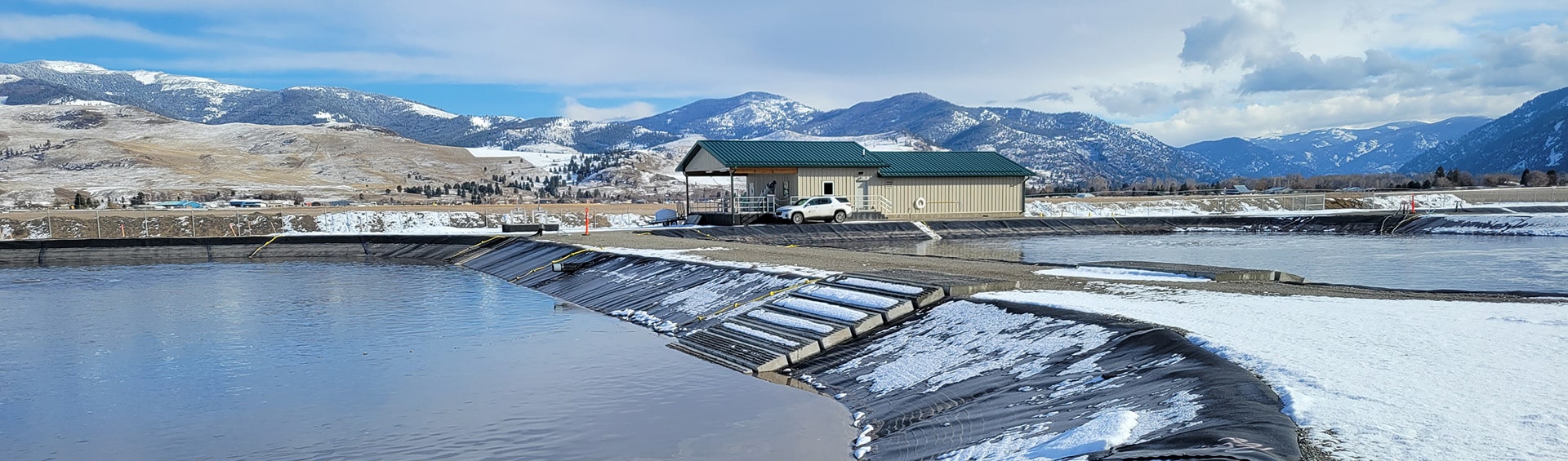
The moving Clark Fork River caused the Town of Plains, Montana, to design and build a new wastewater treatment plant in a new location with all processes under one roof.
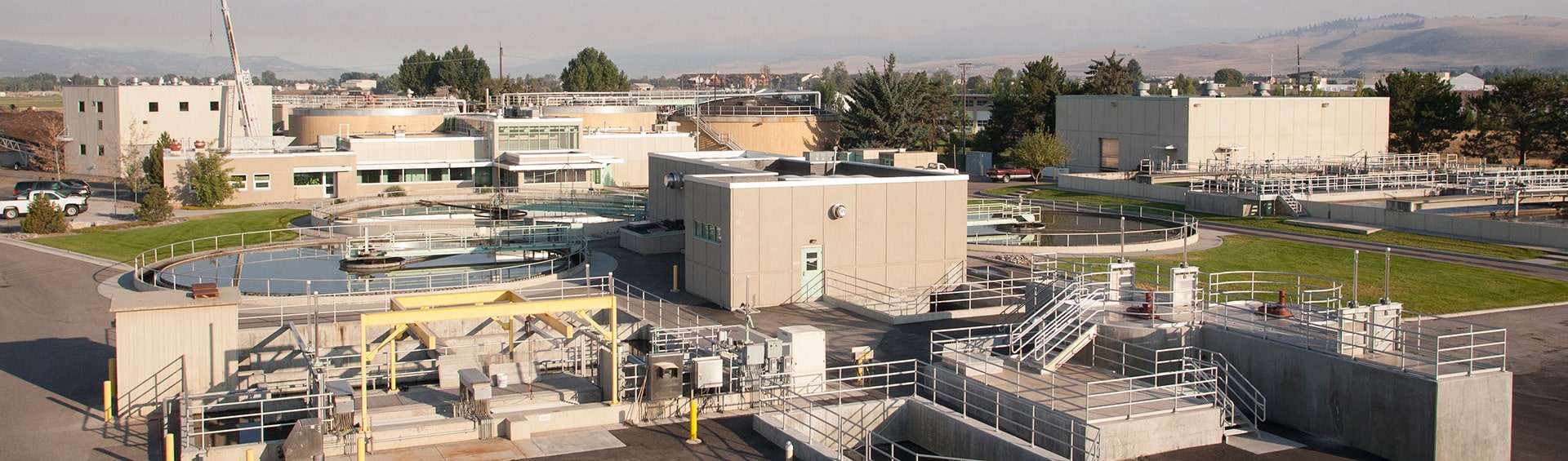
The Missoula Wastewater Treatment Plant required a Headworks building with a small footprint, deep vault, and an original dewatering approach.
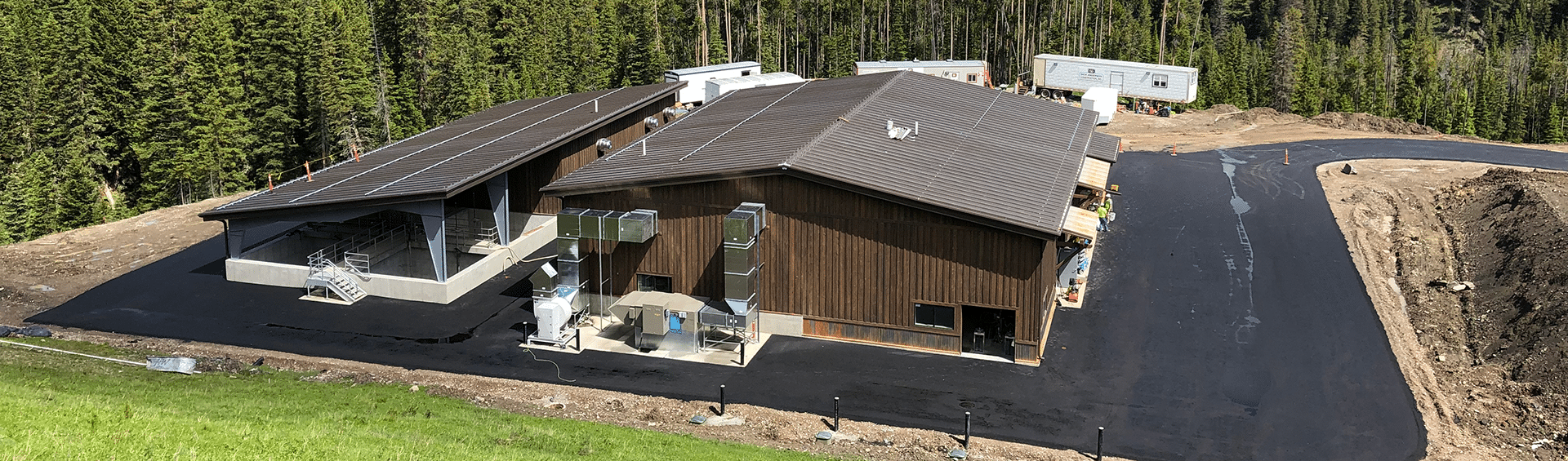
Designed to support sustainable resort growth near Big Sky, Montana, Moonlight Basin Wastewater Treatment Plant transforms wastewater into a high-quality reusable resource.
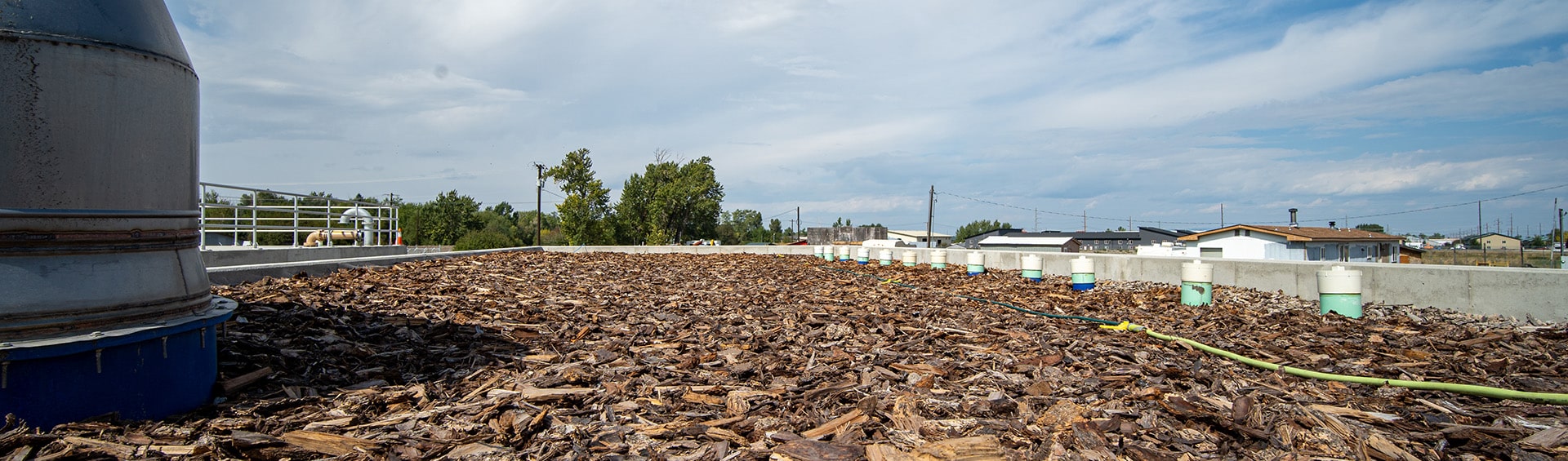
Four Corners Wastewater Treatment Plant
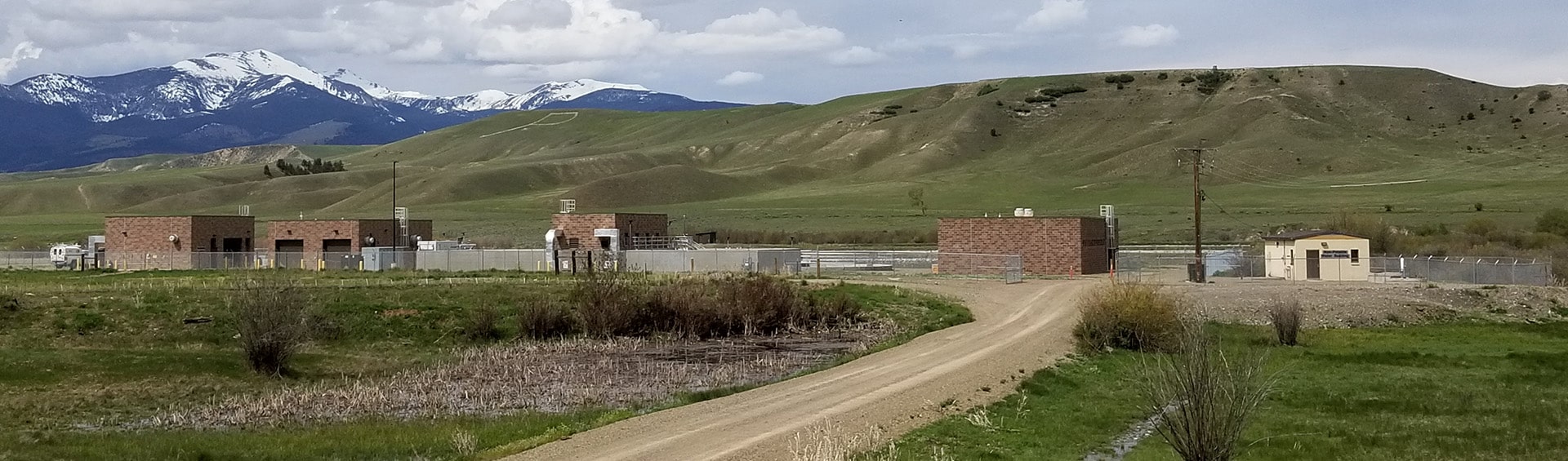
With several physical constraints and obstacles to factor into this project, the City of Deer Lodge now has a long-term, cost-effective solution for its wastewater treatment.
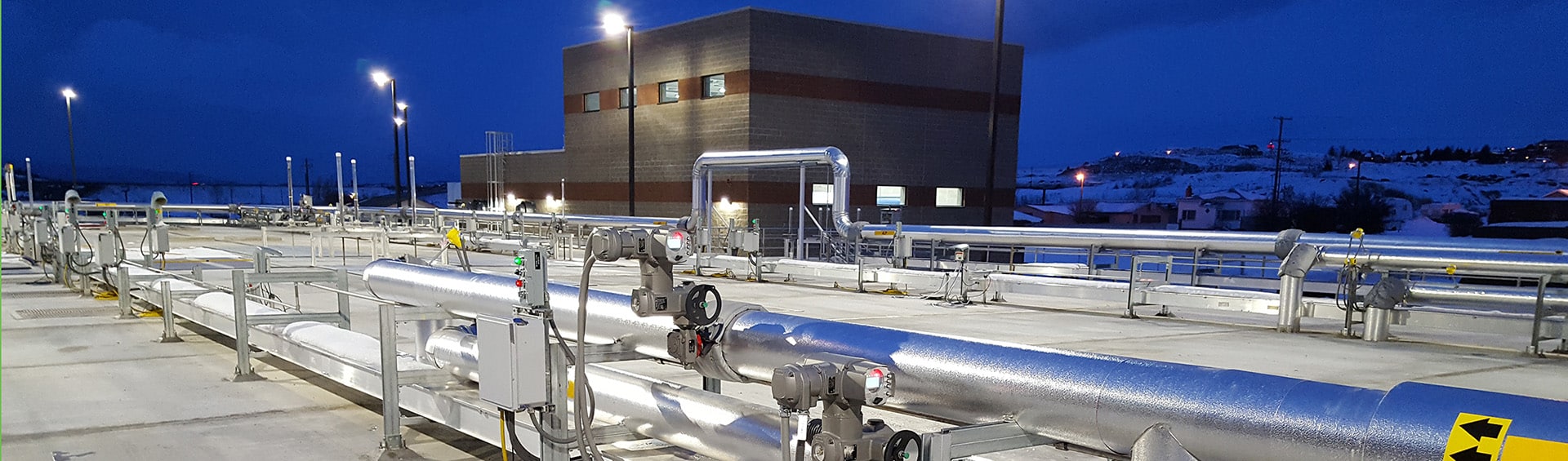
Morrison-Maierle developed a cost-effective, efficient wastewater treatment plant in Butte using advanced technologies that minimized environmental impact on a nearby Superfund site.

We know that building great communities starts with teams made up of great people. If you’re exploring ways to collaborate and make an impact, join us.
Explore Career Opportunities