Water Management
3 Ways to Avoid Construction Risks on Diversions and Fish Screens
There are several ways to avoid risks during the construction of diversions and fish screens. Capital improvements on irrigation systems are a huge undertaking—none more so regarding instream diversions and fish screens. Planning, designing, and permitting these large projects are critical, but the true test of the project’s success will almost always come during construction.
Even the best projects or designs can be undone by challenges arising from schedule delays, lack of planning for flood events, or inadequate quality assurance testing. With thoughtful structuring of bidding and construction documents, the odds for success increase significantly.
Both the construction and engineering professions have long used the following three tactics to help projects result in favorable outcomes for everyone.
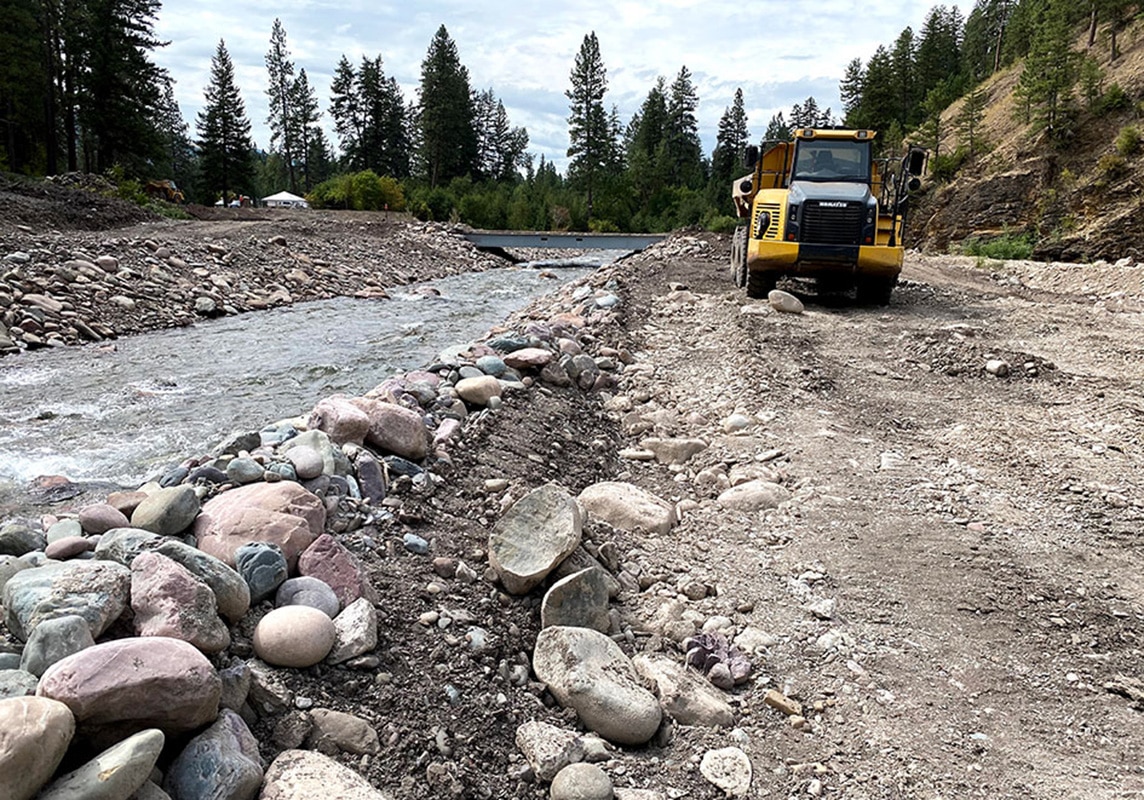
Irrigation system improvement projects, such as diversions and fish screens, can all benefit from three best practices to avoid risk during construction.
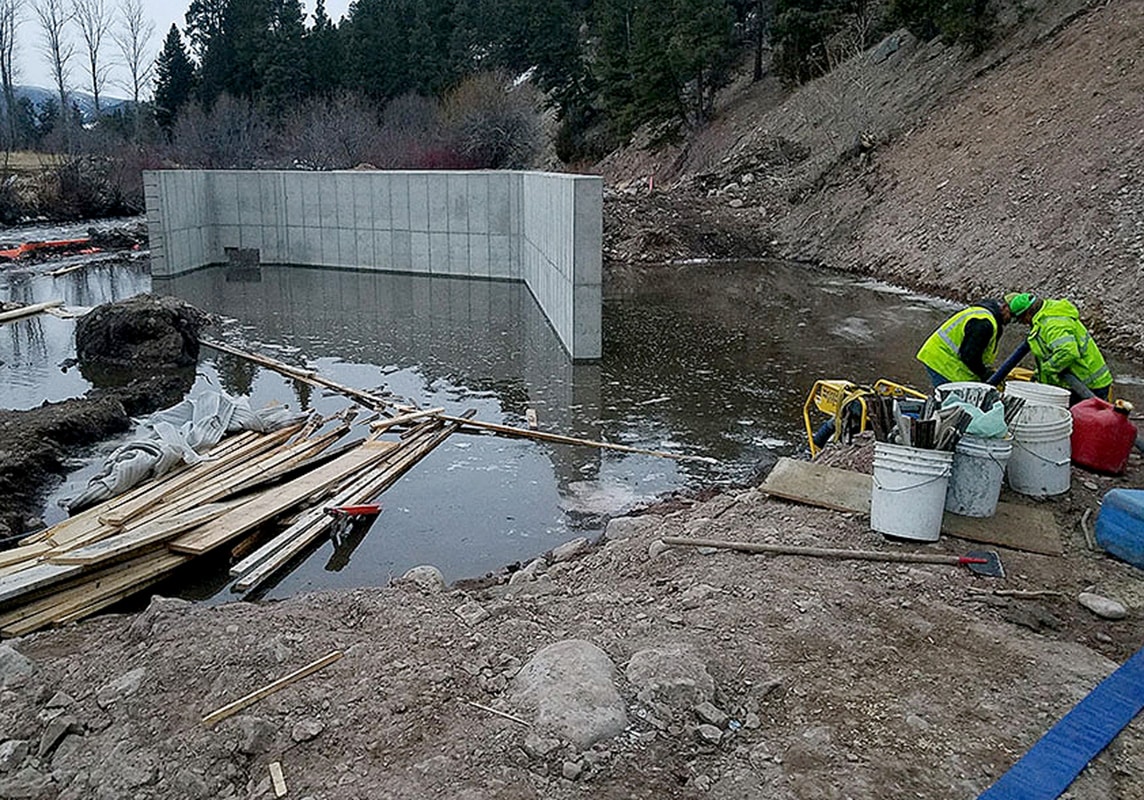
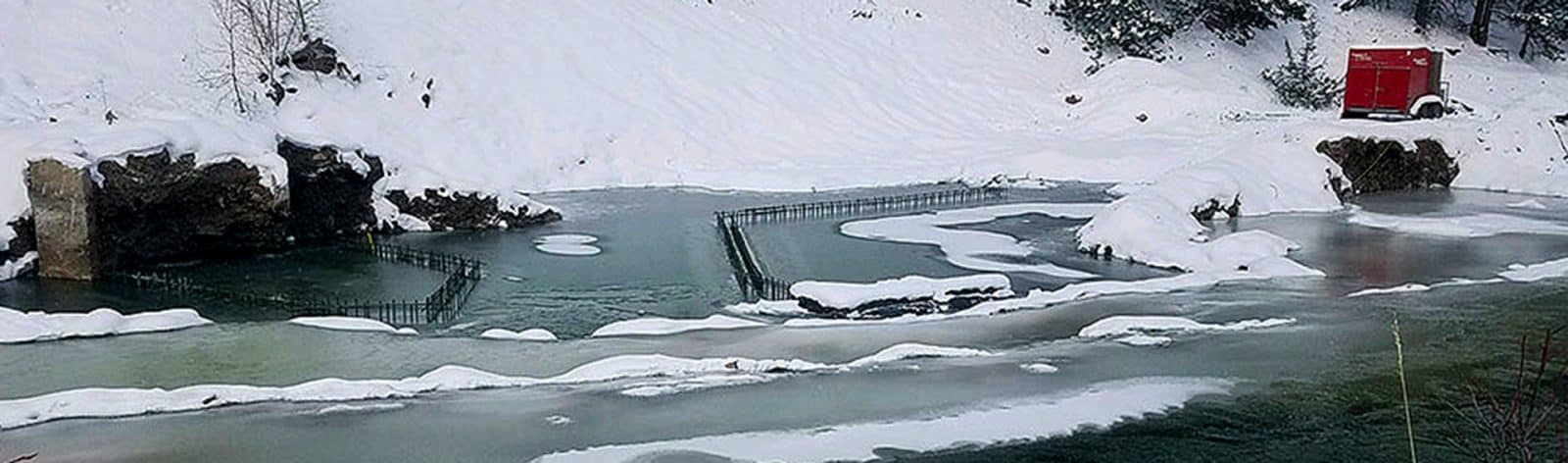
Winter conditions can contribute to unforeseen construction problems on diversion and fish screen projects.
Schedule Incentives for Early Completion
While liquidated damages are commonplace in construction contracts, monetary incentives are far less common. In many cases, it makes sense to incentivize contractors to complete portions—or all—of the work as soon as possible. Specifically, the additional time between construction completion and system operation is key for diversion and fish screen projects.
One way to incentivize accelerated completion is to structure monetary bonuses based on substantial completion before the contract dates. For example, the chart below shows an approach that requires a detailed definition of several criteria, including:
- Original substantial or final completion date
- Acceptance of completion verification
- Bonus distribution
| Days Prior to Completion | Bonus Amount |
|---|---|
| 0-14 | $0 |
| 15-30 | $5,000 |
| >30 | $10,000 |
Include a Flood Event Bid Item
Even with incentives to complete construction as quickly as possible, high water and flood events—triggered by a range of factors—can occur at any time during the project. Diversion and fish-screen projects nearly always involve much of the work in the stream. This work presents a risk to owners and contractors alike.
Since most irrigation systems require projects to occur in the winter when water is not being diverted, ice jams and flash snowmelt floods are an increased and unpredictable risk. A useful way to plan for this risk is to include a bid item up front to identify the effort needed to address a defined flood event. We have used this approach with success on many projects.
Some key items to keep in mind when developing a flood event bid item:
- Define a specific flow rate and/or water surface elevation to trigger the event. Consider adding a bid item stating that floods that do not impact the work are not included.
- Define a clear way to measure the trigger criteria and identify the responsible party.
- Define how the event ends. Will it be per day or occurrence? Is there a limit to the number of events over a period?
- Describe the minimum typical actions a contractor must take to dewater the site. Include a detailed temporary diversion plan.
- Describe the actions the flood event bid item will cover, such as increased dewatering, cleanup of the affected area, repair and/or retesting of impacted work, and revisions to the diversion system to prevent additional flood events.
- Including the flood event bid item upfront allows contractors to place the cost of this risk in a separate item that is used only if necessary. Otherwise, this cost may be rolled into the work itself, making it hard to distinguish. This practice gives the owner a clearer picture of what to budget for and how much to set aside for contingency.
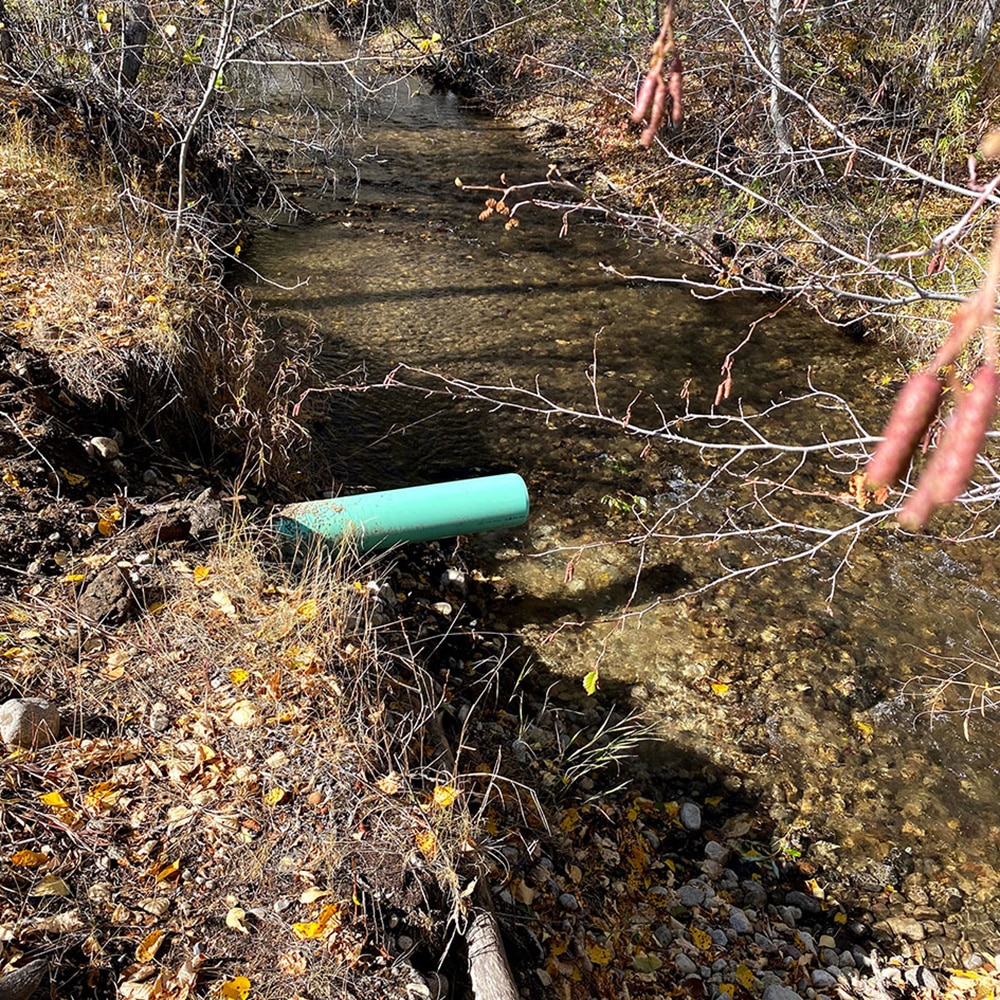
Light testing can be done and is required on many diversion projects.
Incorporate Acceptance Testing to Measure Success
Some construction projects, like sewer collection systems, have very clear and common-sense testing requirements to meet before the owner accepts the completed work. Irrigation systems, especially diversions and fish screens, can benefit from similar requirements. This can also provide clarity for the contractor from the start so they know exactly what to expect.
Tests can vary widely depending on the project’s size, type, and complexity. Some examples are a light test on buried pipelines, leak tests on gates, and those that measure the minimum time of smooth and unaltered operation of a screen cleaner, just to name a few.
When tests—including the criteria that determine a “pass” or “fail”—are clearly defined, the owner and contractor alleviate the pressure of potential subjective decisions and conflicts. The absence of a clear acceptance test can lead the contractor to claim the work is built per plan, while the owner views the work’s operation as insufficient, creating a conflict over completion and payment.
Incorporating Lessons Learned
None of these three approaches is new, but they can be absent from irrigation capital improvement projects. Irrigation owners can also use these tools with great success, especially on larger projects.
It makes sense to consider implementing these tactics to increase success, avoid risk, and define acceptable work. By learning from industry-wide lessons, irrigation owners and contractors can enter and exit projects successfully.