Water Management
EPA Delays MDBP Rule Revisions: How Water Utilities Can Prepare for DBP Precursor Control
The rule delay creates new opportunities for community planning efforts
The EPA has delayed the proposed Microbial Disinfection Byproducts (MDBP) rule revisions until July 2027, with the final rule deadline in October 2028. The extra time gives water systems more time to plan and provides opportunities to dive deeper into several potential aspects of a revised rule.
As part of the potential rule revisions, the National Drinking Water Advisory Council (NDWAC) was asked by the EPA to review the MDBP rule and make recommendations. One specific recommendation was to increase control over disinfection byproducts (DBP) precursors. DBP precursors are naturally occurring organic matter, measured as total organic carbon (TOC), and some inorganic compounds, such as bromide and nitrogen.
About DBP Precursor Removal
DBP precursor removal has become one of the most studied areas in water treatment. We know a lot about regulated DBPs that form from organic precursors combined with a disinfectant such as chlorine. The regulated DBPs were, in some ways, meant to serve as surrogates for the many unknown and unregulated DBPs.
As results from additional research on the toxicity of unregulated DBPs from organic and inorganic sources are revealed (along with increasing and changing organic concentrations in watersheds), precursor removal in water treatment is crucial to continue protecting public health.
Along with actual DBP maximum contaminant levels (MCLs) in water distribution, conventional surface water treatment plants, typically those that utilize coagulation, flocculation, sedimentation, and media filtration, are also evaluated based on source water conditions that require a certain monthly percent of total organic carbon (TOC) removal, ranging from 15 to 50 percent. The lower the TOC concentration, the less potential it has to form DBPs. A specific treatment technique, Enhanced Coagulation, is required to remove TOC.
TOC removal compliance is calculated using a running annual average (RAA), which allows systems to remain in compliance if they don’t meet the percent removal requirement for one month. If the organic concentrations in the source water or finished water are low enough—and if DBPs in distribution are low, or if other specific source water quality criteria are met—alternative compliance criteria may be used to comply with the current rule. In addition, some plants can use performance criteria to meet compliance requirements.
MDBP Rule Revisions: A Two-Part Series
This is Part 2 of a two-part series on considerations for communities during their planning process. In Part 1, we presented an overview of the rule timeline and explored several potential rule revisions and their implications for water systems. In Part 2, we examine a specific element of a possible rule regarding disinfection byproducts (DBPs), which are regulated contaminants due to their known carcinogenicity.
Read Part 1Multi-Benefit Precursor Control
One of NDWAC’s recommendations is to require a multi-benefit precursor control. In the EPA’s proposed MDBP rule revisions, this may involve additional requirements for source water screening and monitoring, as well as more robust treatment requirements for TOC removal in conventional surface water treatment plants.
This proposed requirement may include the following:
- Additional TOC removal
- Limits to the existing alternative compliance criteria
- Establishing a TOC MCL for finished water, not just a percent removal
- Adding TOC removal requirements to systems other than conventional plants (e.g. direct filtration plants, membrane plants, and systems that use groundwater with high organics content).
The benefits to these requirements involve lower potential DBP formation protecting public health, and will also reduce disinfectant demand and dosing. This will lead to an improvement in overall water quality by providing a more stable and consistent disinfectant residual in distribution.
Learn about our water treatment services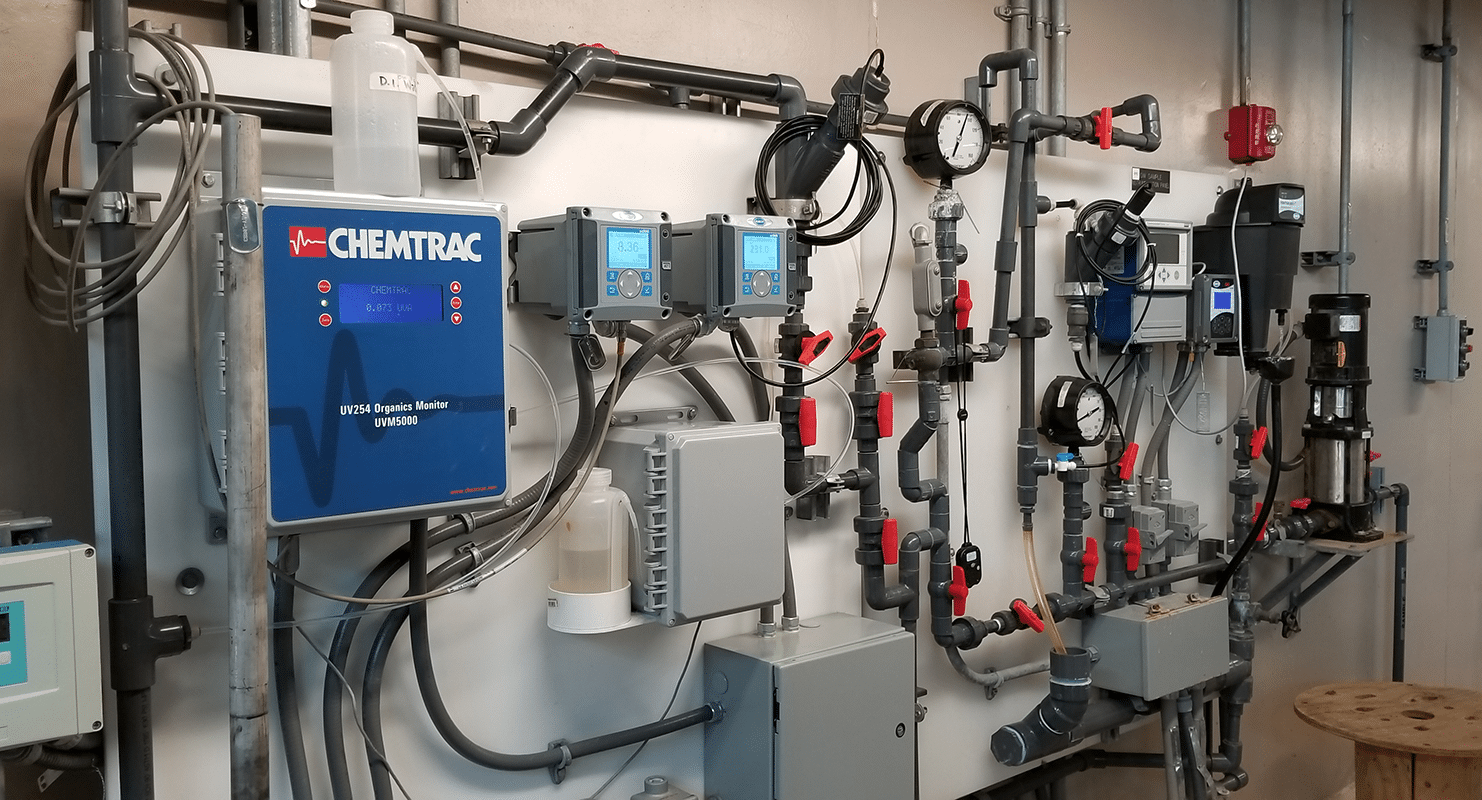
Enhanced DBP precursor removal could be a focus of new MDBP rules.
The Impact of TOC Removal
The American Water Works Association (AWWA) commissioned a technical evaluation to determine the impacts of this potential rule revision on treatment plants. A small data set from the EPA’s fourth, six-year review (approximately 10 percent of conventional surface water plants) was used to quantify this impact. Below are the results of systems having at least one month of RAA TOC removal that did not meet the requirement:
- Current rule ==> 29 percent*
- Additional 5 percent TOC removal required ==> 37 percent
- Additional 15 percent TOC removal required ==> 55 percent
*Data shows less than 5 percent of total systems were out of compliance, and the remaining systems (24%) used alternative compliance criteria or performance criteria to maintain compliance.
This evaluation suggests that approximately one-quarter of systems currently use alternative compliance or performance criteria to comply with the current MDBP rule. Therefore, removal of these options would have a significant impact on these systems, as would increased TOC removal requirements.
An MDBP rule revision may also establish a finished water MCL for TOC, potentially between 2 and 4 mg/L. The AWWA evaluation also analyzed EPA data from approximately 20 percent of conventional surface water treatment plants in the US, examining monthly finished water TOC concentrations and comparing them to various potential MCLs. The results of plants that would exceed the MCL on a monthly RAA basis are outlined below:
- MCL of 2 mg/L ==> 40 percent exceedance
- MCL of 3 mg/L ==> 20 percent exceedance
- MCL of 4 mg/L ==> 8 percent exceedance
Any revision to the MDBP rules has significant implications for conventional water treatment plants that rely on their current treatment and operations.
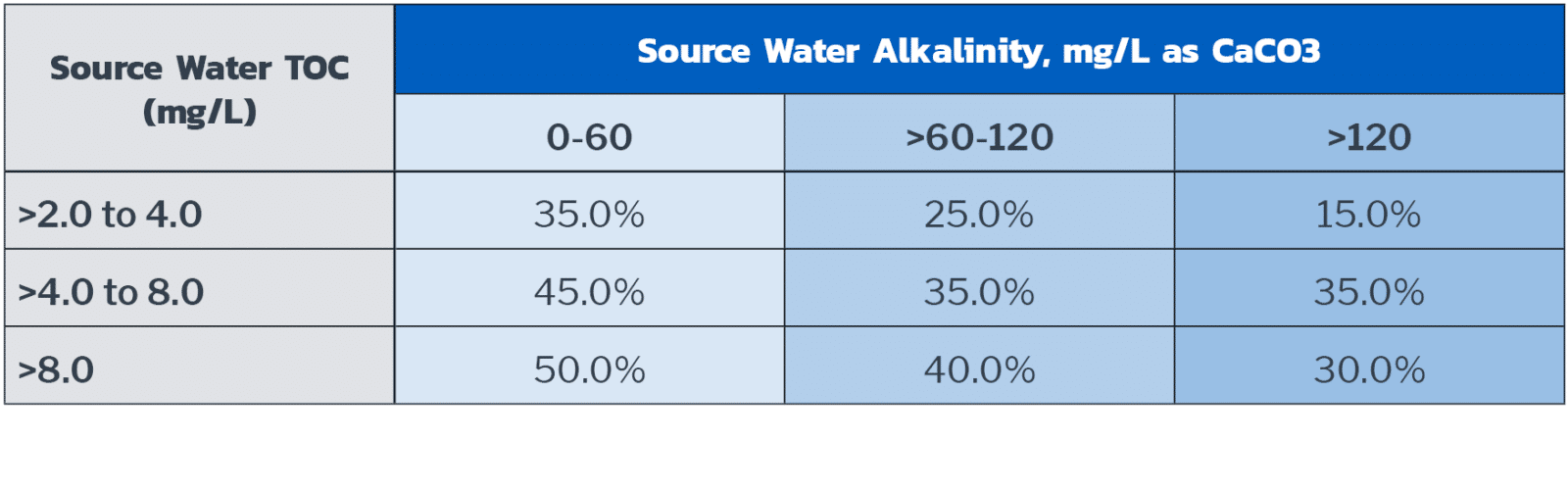
This table shows the current TOC removal requirements for Enhanced Coagulation. Could these change with the potential new rule revisions?
Now What?
As water systems begin planning for revised TOC compliance, several considerations have come to the forefront. Two topics to think about include introducing a new treatment processes and possibly making optimizational changes to address the new TOC requirements.
New Treatment
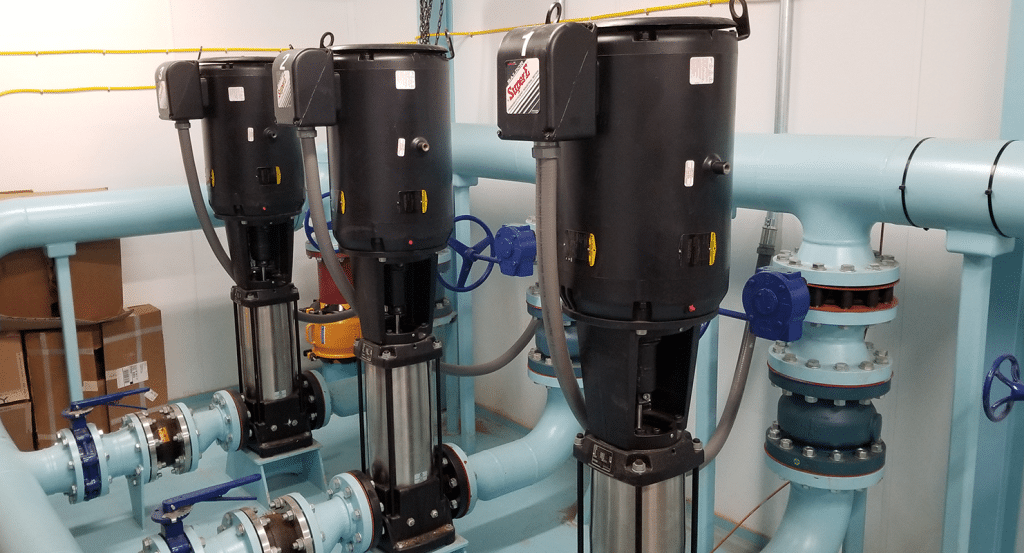
Depending on the extent of a new MDBP rule, a new treatment process may be required for some plants, providing more consistent and reliable TOC removal than conventional processes. More advanced methods, such as biofiltration and granular activated carbon (GAC) adsorption, have been successful but can require significant capital and O&M investments. For example, GAC contactors are typically installed post-filtration and may require additional pumping, adding to O&M. Adding these large units to existing facilities likely involves a new building or expansion. In addition, the GAC media must be replaced upon exhaustion of adsorption sites. The frequency of this replacement is highly dependent on source water quality, but can typically be an annual O&M cost.
Pre-oxidation of organics ahead of conventional treatment is another alternative, using oxidants such as chlorine or permanganate, or more advanced processes such as chlorine dioxide or ozone. These are listed in order of increasing complexity and cost; water systems should consider these factors during planning.
Optimized Coagulation
The current tried-and-true method for many surface water plants is conventional treatment using enhanced coagulation. Dialing in the correct coagulants to achieve charge neutralization and subsequent particle removal is the basis for TOC removal under the current MDBP rules. For some plants, that will not change much to address new TOC requirements. However, for others, changes may be needed.
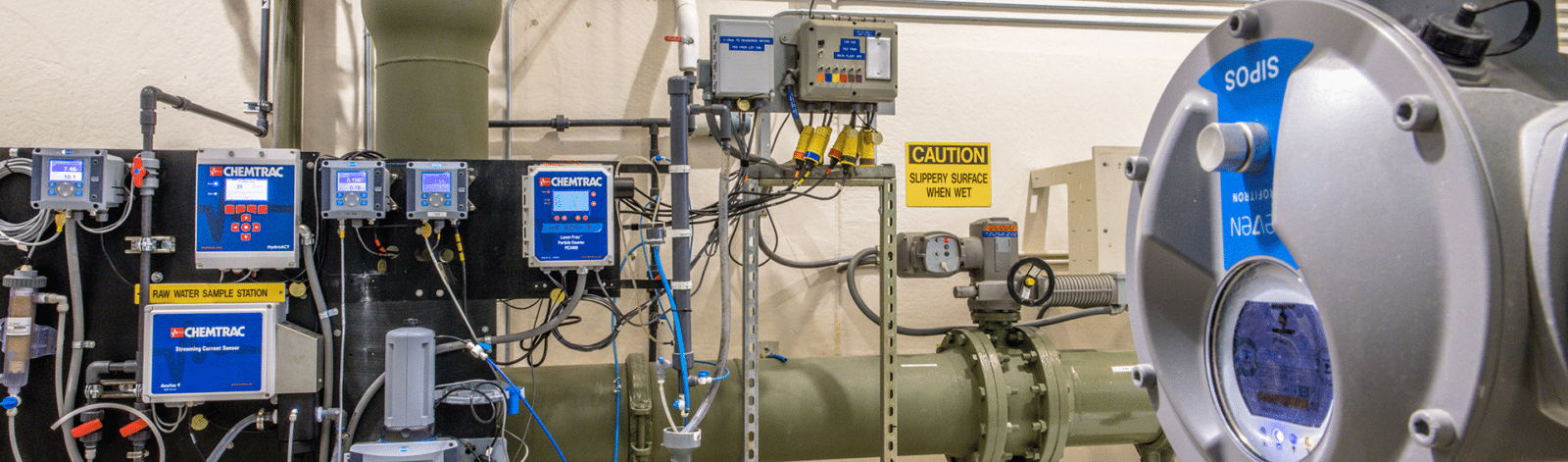
It is typical for the coagulant dose to be controlled based on filter turbidity values, primarily because turbidity is the daily compliance metric (as opposed to TOC compliance, which is monthly), and turbidity instrumentation and control provide immediate feedback on filter performance. However, online coagulation control using streaming current or zeta potential instruments can provide process control to optimize organics removal. Online TOC and UV-254 analyzers are also proactive operational tools that provide real-time information on organic content in raw and finished water. In addition, newer coagulants that do not suppress pH as much as traditional aluminum and iron-based chemicals, and those used in combination with specific polymers, can be a better way to remove organics.
Chemical optimization for more effective TOC removal will likely require higher coagulant and polymer dosing if this process is utilized on its own. More chemical use means additional O&M costs and additional sludge production on the residuals side. A long-range cost evaluation will produce the results required for effective decision-making on how best to move forward.
Take Aways
Although we have been anticipating a proposed MDBP rule revision for several years, it has been delayed until 2027 with the final rule deadline in 2028. This extra time allows communities to consider and plan for potential items the EPA may or may not include in a revised rule.
There is a lot to take in, and the proposed revisions will likely not include all of these elements discussed in this series. However, communities should begin to consider the minor and significant implications for their water systems in their planning efforts.
We’re thinking a lot about this upcoming decision and how it might impact our community drinking water systems. We know that all systems are unique, so please reach out with questions or concerns specific to your community’s water treatment plant.
About The Author

As the Water Treatment Technical Leader, Jeff Ashley enjoys helping his team deliver high-quality projects to help our clients meet their project goals.
Learn more about Jeff