Shape Communities. Grow Your Career.
We know that building great communities starts with teams made up of great people. If you’re exploring ways to collaborate and make an impact, join us.
Explore Career Opportunities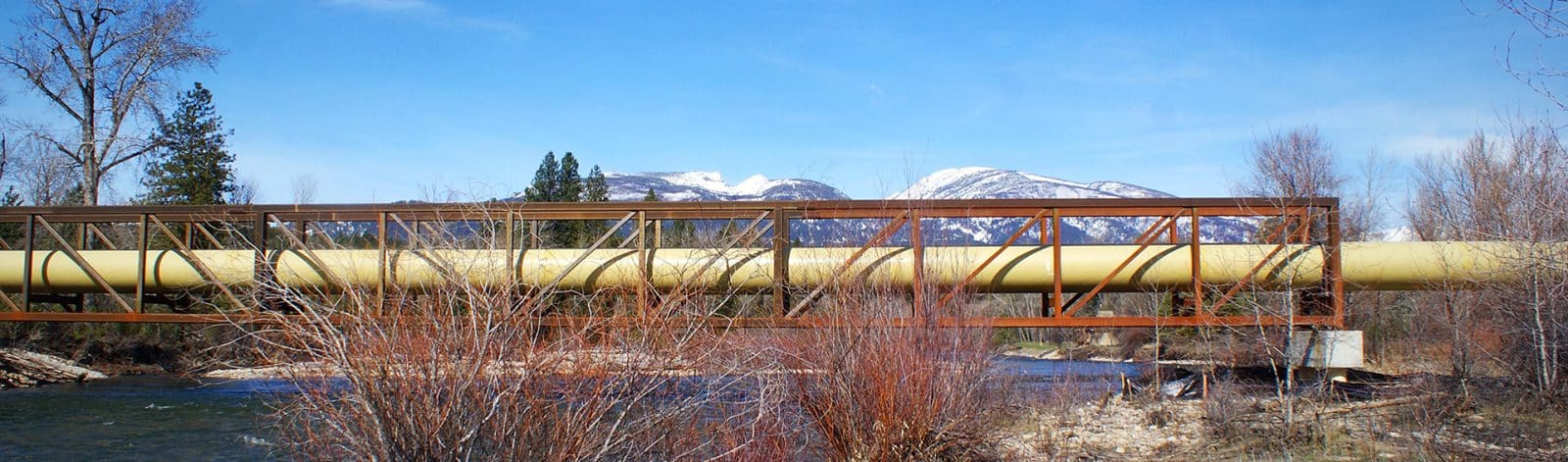
The Bitter Root Irrigation District (BRID) in Ravalli County, Montana, provides irrigation water to approximately 1,400 irrigators on 16,665 acres along a more than 70-mile-long canal system. The Bitter Root Irrigation District Siphon 1 – Phase 3 Improvements Project improves an 1150-foot section of a 5,654-foot-long steel pipeline and supporting bridge that crosses the Bitterroot River. This siphon and 1900s-era bridge deliver surface water from Lake Como to the ditches and canals throughout the eastern side of the Bitterroot Valley.
The siphon and bridge both presented serious problems including structural integrity and leaking that would eventually fail. After careful inspection, Morrison-Maierle found deterioration in all areas including the pipe, expansion joints, shallow pier footings, and bridge trusses. Investigations indicated that the bridge footings lacked sufficient depth, and as the river migrated, the entire bridge would eventually collapse.
Civil engineering
Bridge engineering
Planning
Permitting
Bidding
Construction oversight
Funding assistance
Grant administration
Stakeholder communication and strategy
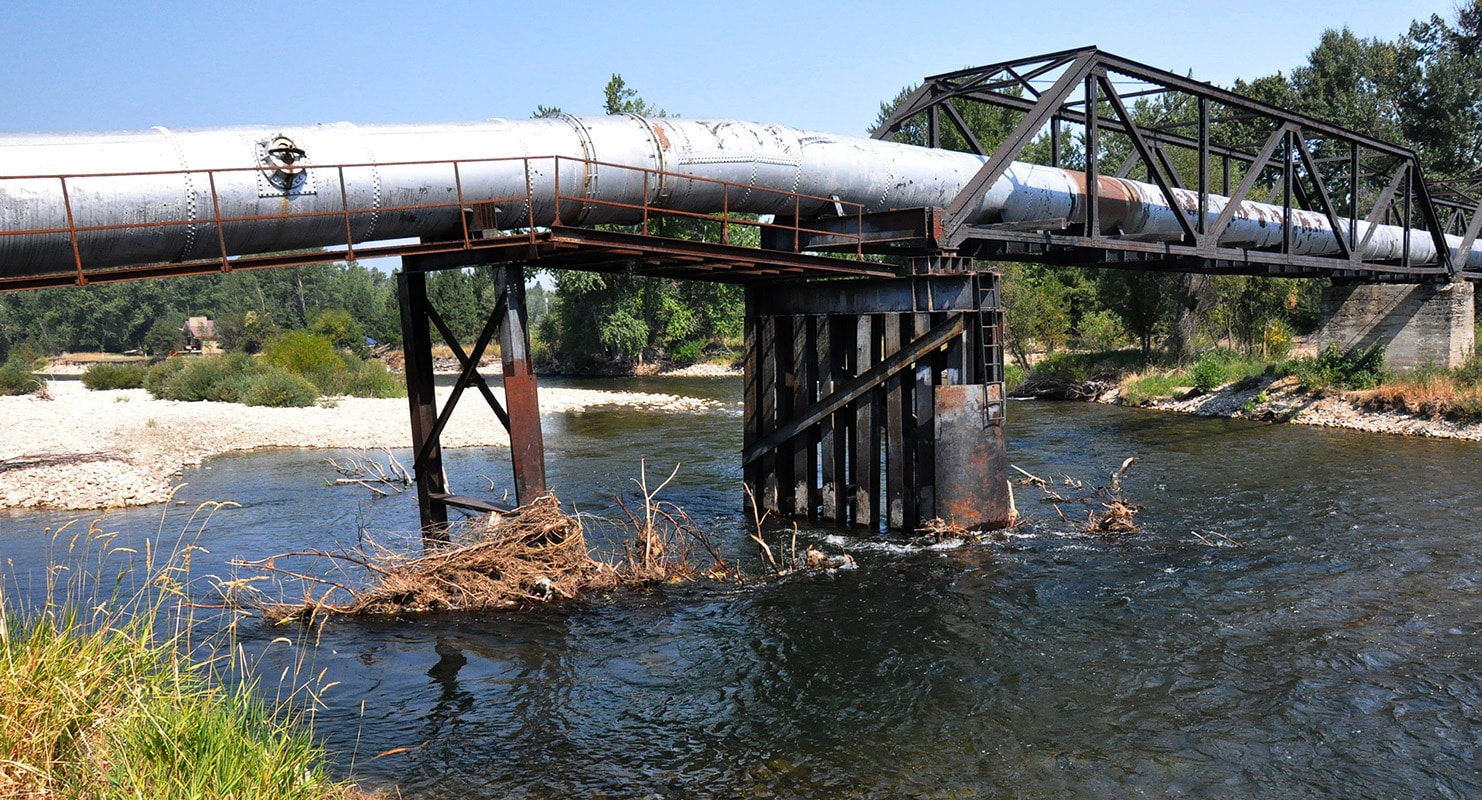
Failure of any major element of this project would result in a total loss of irrigation water to the Bitterroot Valley and would eventually cause damage to the river system, wetlands, residential homes, and the adjacent U.S. highway as all are impacted by the water provided by the BRID. As with most water projects, economic impacts on the area’s agriculture, economy, and recreation would be felt if any part of this infrastructure failed.
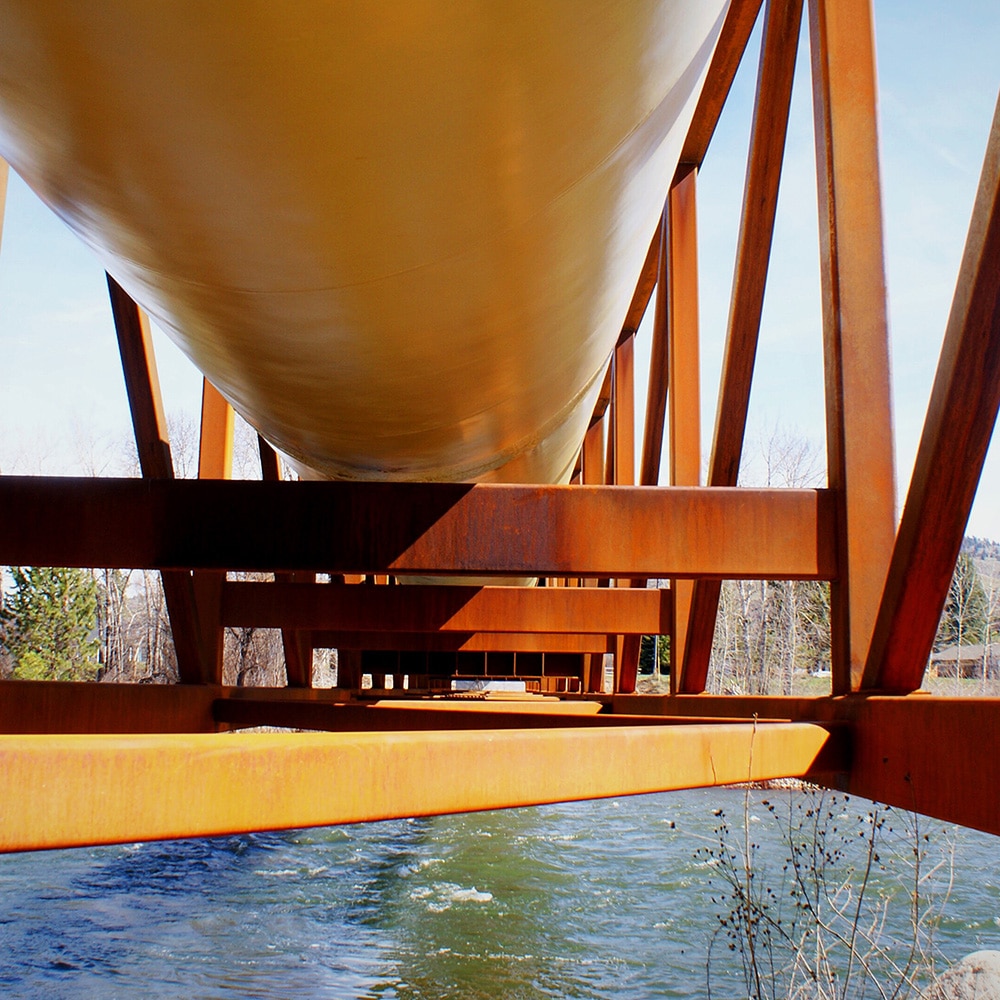
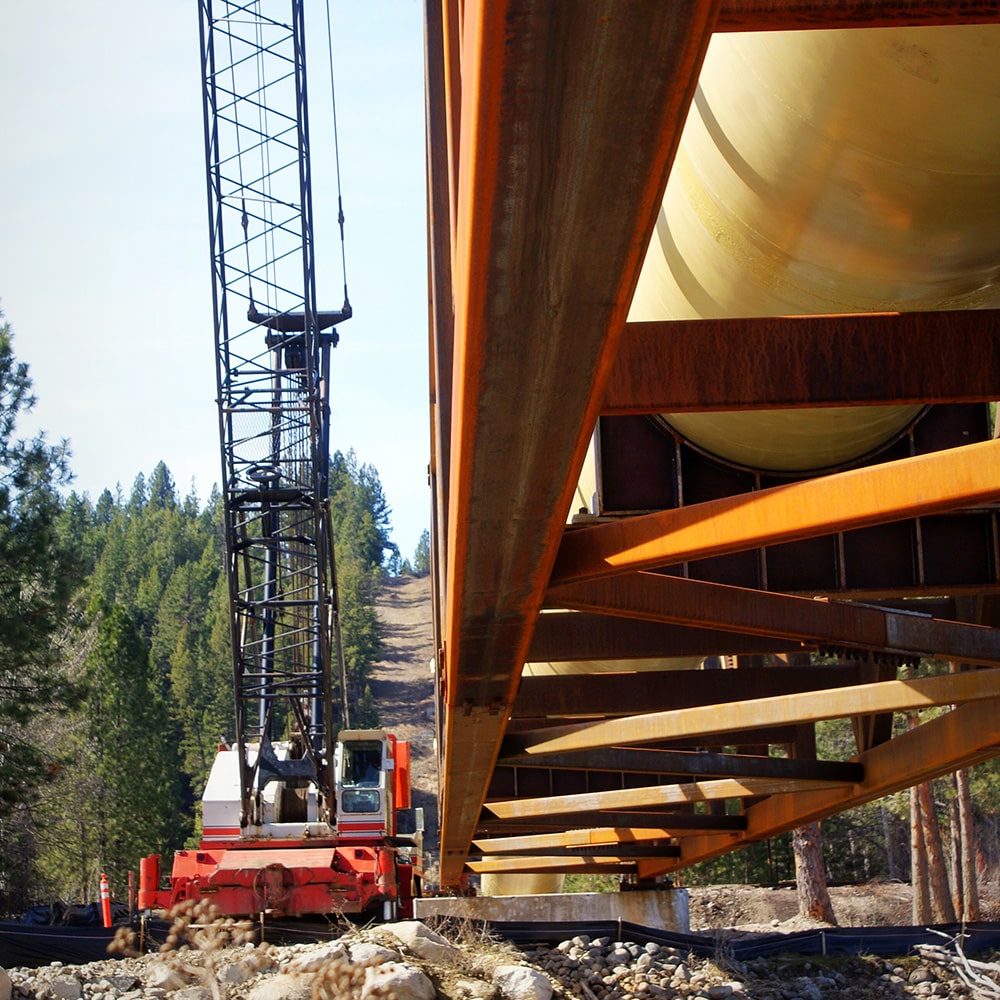
Morrison-Maierle came up with a solution that simplified the river crossing by designing a bridge that spanned the river channel. The money saved after receiving low bids for materials and construction helped them purchase more pipe that allowed them to replace more of the aging siphon. As the previous solution used several piers that were problematic themselves, the new design greatly reduced the number of piers also resulting in less risk of scour and safety hazards to river users.
From a fiscal standpoint, the team also lent its expertise in bidding and came up with an approach that saved $60,000. As Morrison-Maierle’s team also helped write two grants and one loan application (and permit requirements from six regulatory agencies), these cost-saving measures aided in the success of the project.
Finally, this project encompasses numerous renewable resources and benefits to public safety. With a team-centered approach, it now is a benefit to the area’s users, economy, and environment.
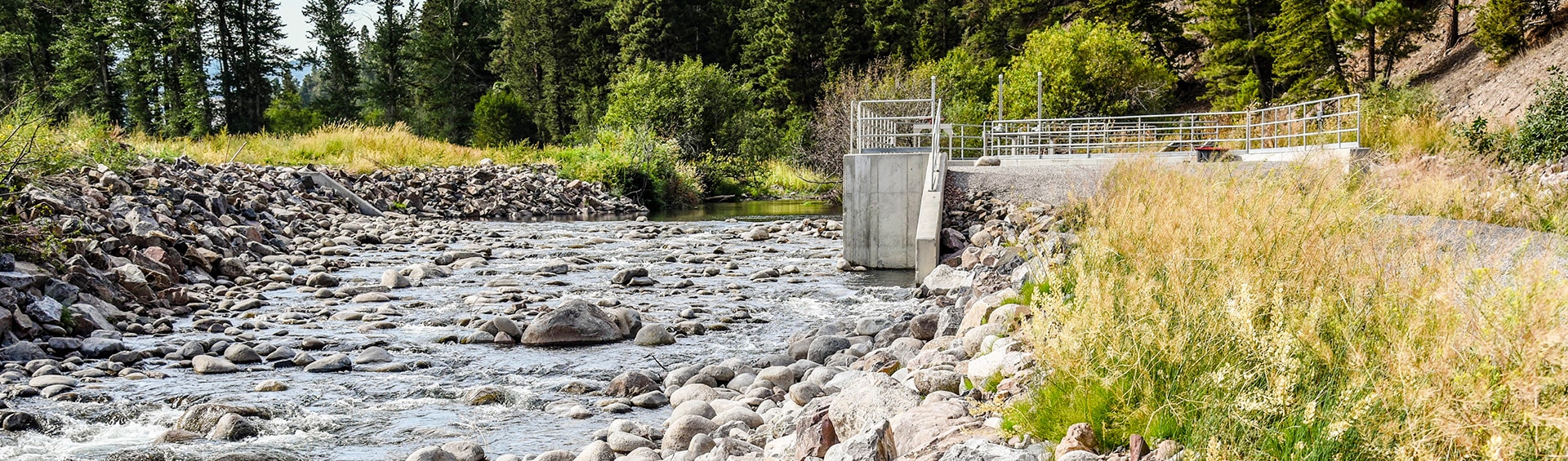
Allendale Canal and Fish Screen is part of the Flint Creek Water Project, owned by the Montana Department of Resources and Conservation (DNRC) and operated by the Flint Creek Water Users Association.
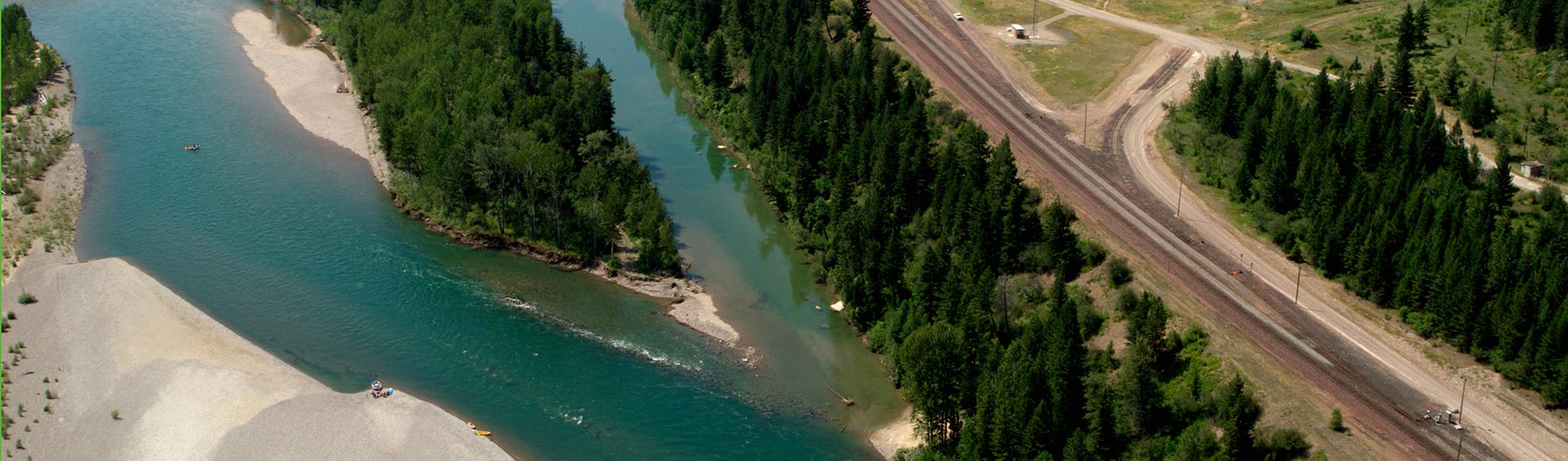
The South Ponds Remediation project returned the site to its natural condition and reduced the need for future operation and maintenance tasks in the Flathead River floodplain.
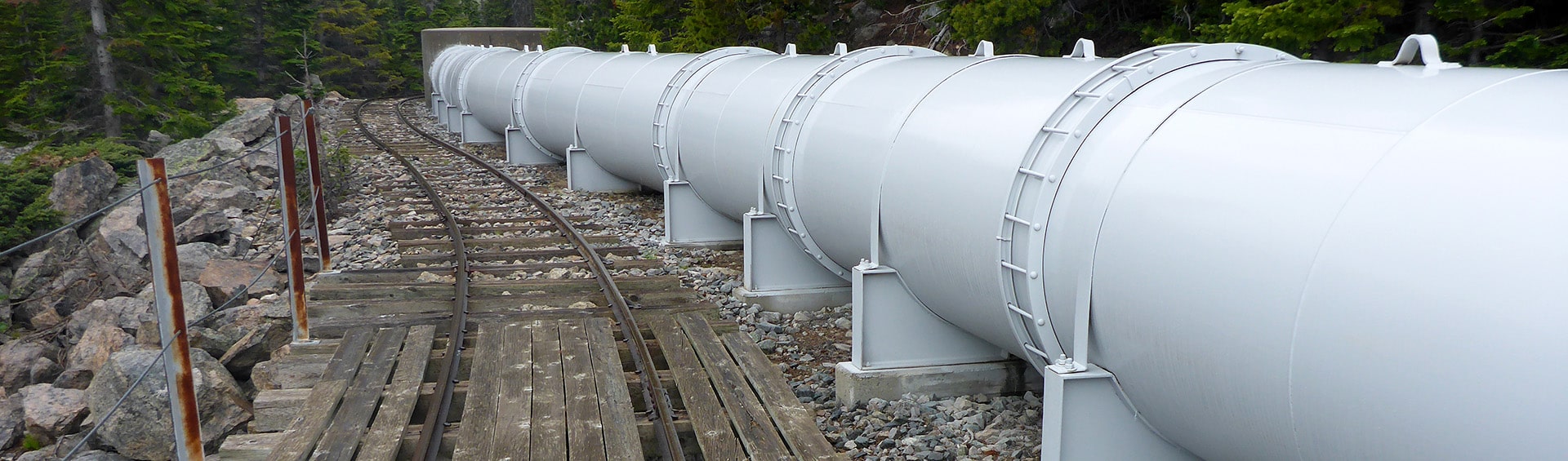
Morrison-Maierle provided engineering services for design and development of construction documents for the new steel trestle bridges along the Mystic Lake flowline hydroelectric project.

We know that building great communities starts with teams made up of great people. If you’re exploring ways to collaborate and make an impact, join us.
Explore Career Opportunities