Shape Communities. Grow Your Career.
We know that building great communities starts with teams made up of great people. If you’re exploring ways to collaborate and make an impact, join us.
Explore Career Opportunities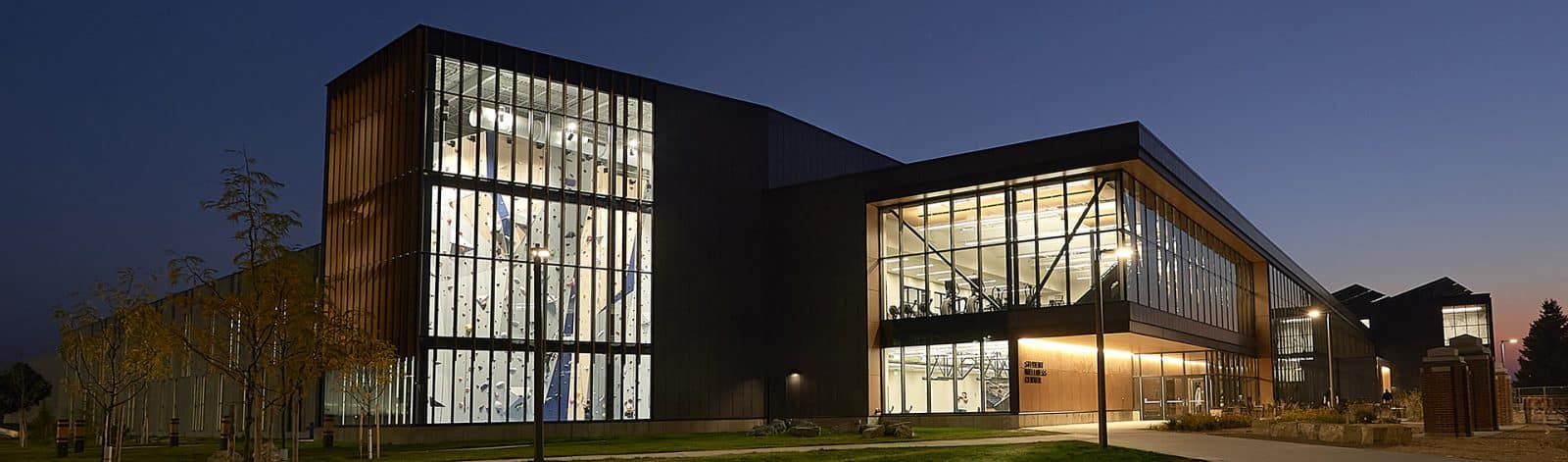
After two roof collapses forced Montana State University (MSU) to decommission its 1970-era gyms, pool, and student recreation space in 2019, the university seized the chance to reimagine wellness on campus. The new Student Wellness Center co-locates health, counseling, recreation, and exercise-related academic programs into a single, student-centered facility.
Morrison-Maierle partnered with MMW Architects and MSU to help deliver a space that supports physical fitness and enhances mental health services, academic research, and holistic well-being. With a long history of collaboration on campus and deep technical expertise, our team provided a range of engineering services to support the university’s mission and long-term sustainability goals
Civil
Geothermal heat
Electrical
Fire protection
Mechanical
Plumbing
Sustainable design
Telecommunications
University design
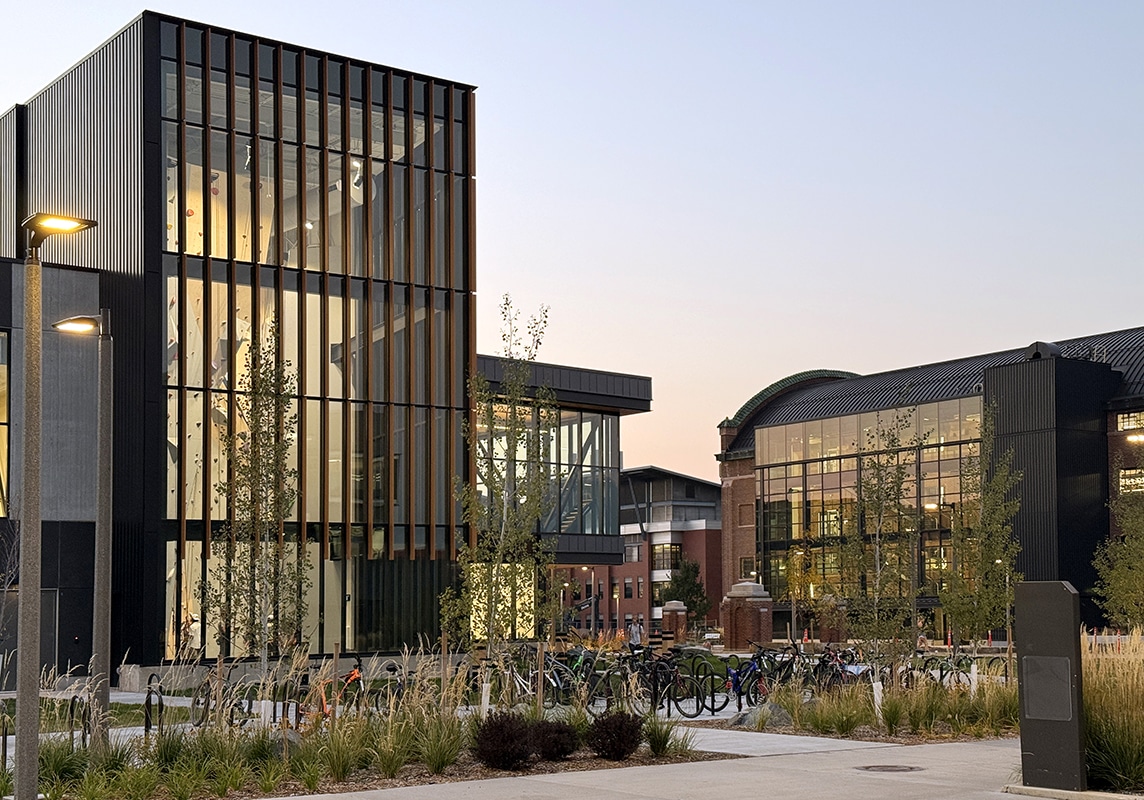
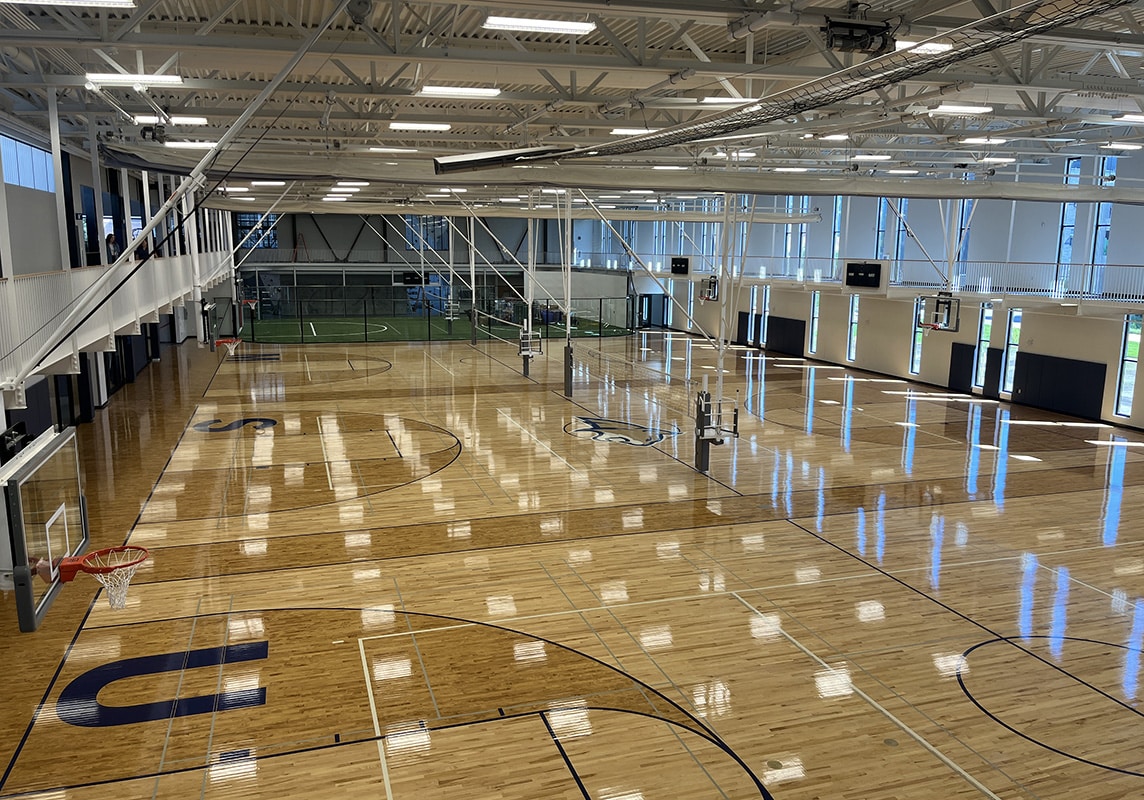
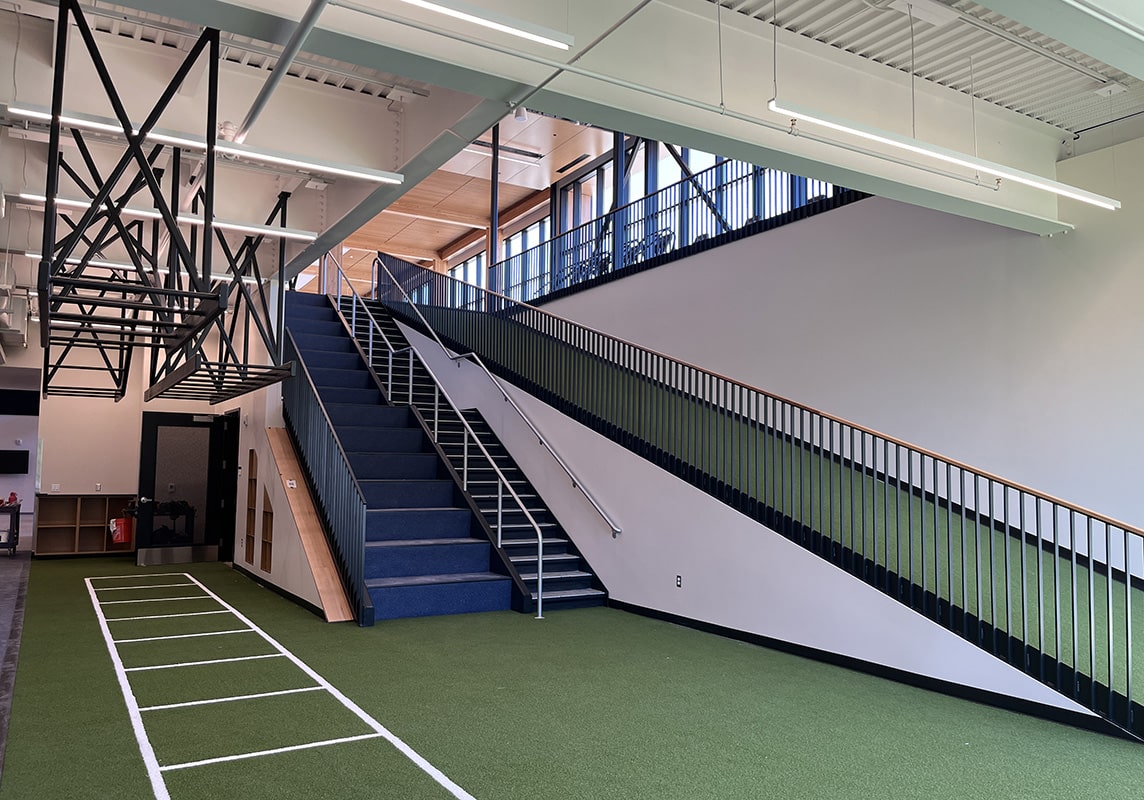
What began as a crisis quickly became a catalyst for long-term improvement. When a winter roof collapse made MSU’s original gym unusable, the university quickly moved to restore recreation services by erecting temporary domes. At the same time, leadership accelerated long-standing plans to create a modern, integrated wellness facility.
The new Student Wellness Center consolidated programs that had been scattered across campus—often in dark, outdated, or repurposed spaces—and brought them together into one thoughtfully designed and centrally located building. Students now have access to preventive care, mental health support, recreation, and academic research opportunities all under one roof.
This intentional grouping fosters student well-being in a more equitable and accessible way. Even during high-stress times like finals week, the facility remains a hub of activity and support.
Key features include:
The result is a vibrant, inclusive environment that reflects MSU’s vision of whole-person wellness and enhances the overall student experience.
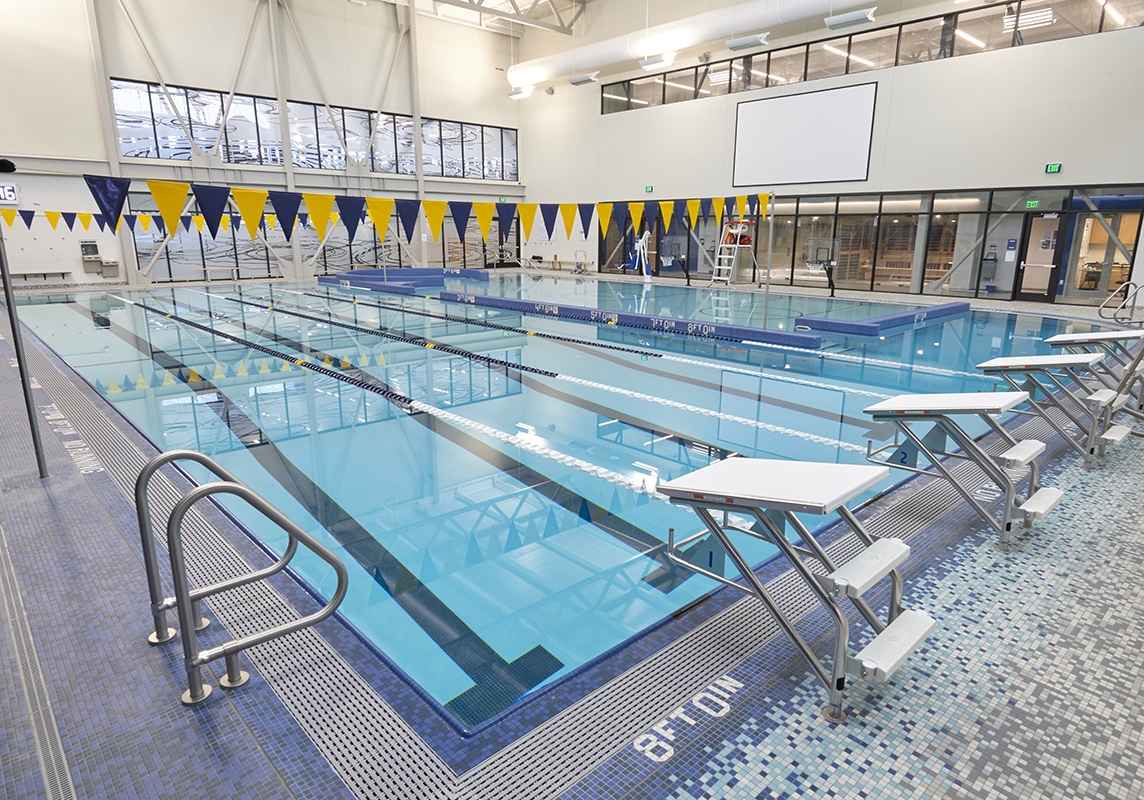
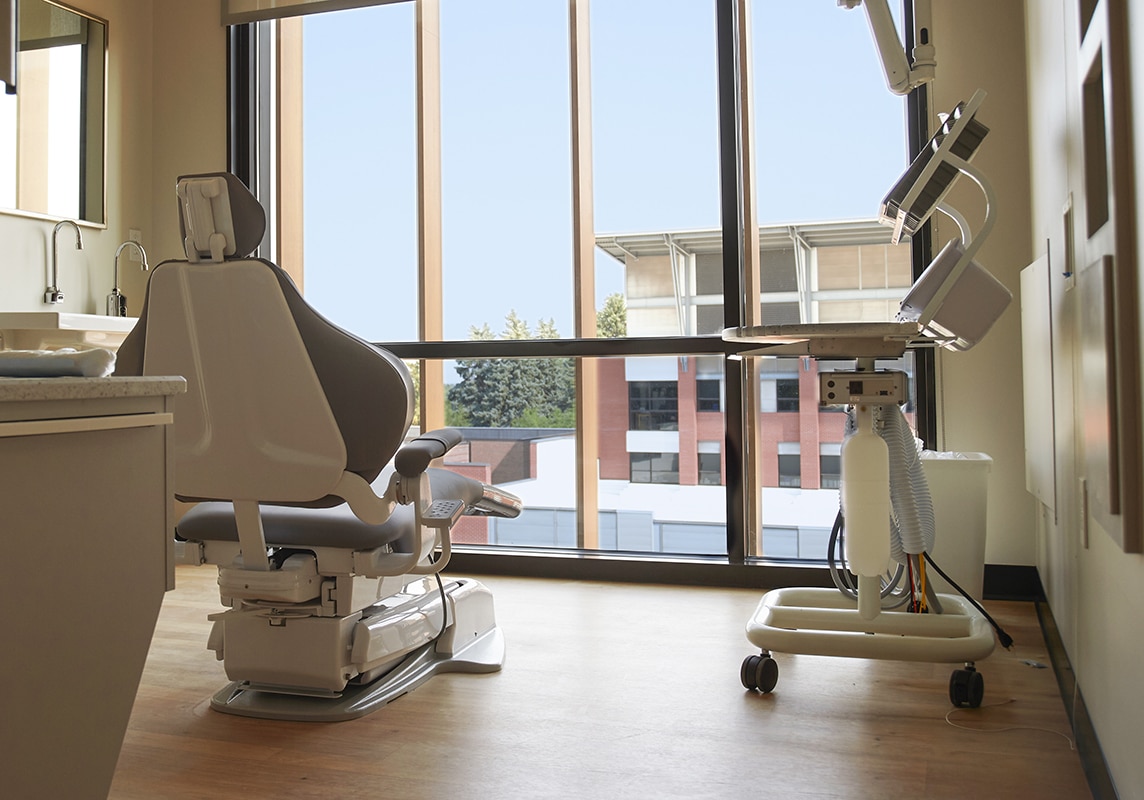
Recreation and aquatic facilities are among the most energy-intensive building types, so MSU, MMW, and Morrison-Maierle worked together to integrate high-efficiency systems from the earliest phases of design. The student wellness center is targeting LEED certification and incorporates several innovative sustainability measures to reduce its environmental footprint.
Key sustainability measures include:
Together, these systems reduce operational costs, improve occupant comfort, and help MSU meet its campus-wide sustainability goals.
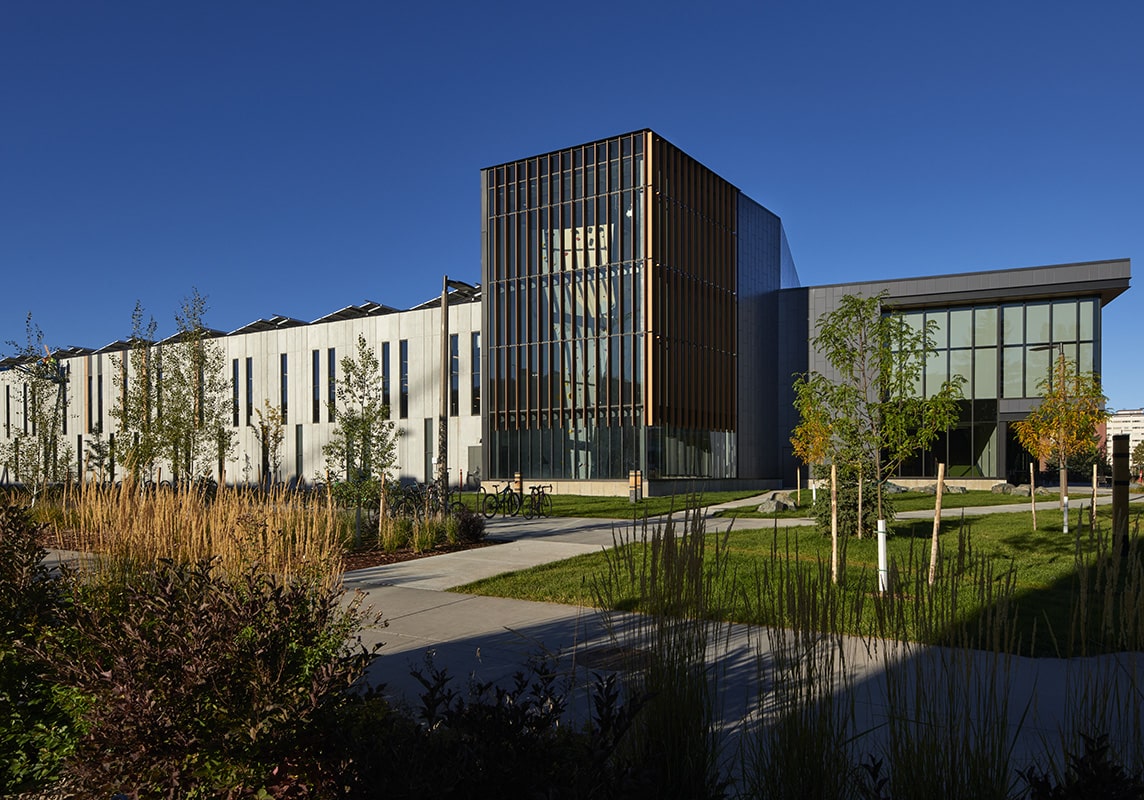
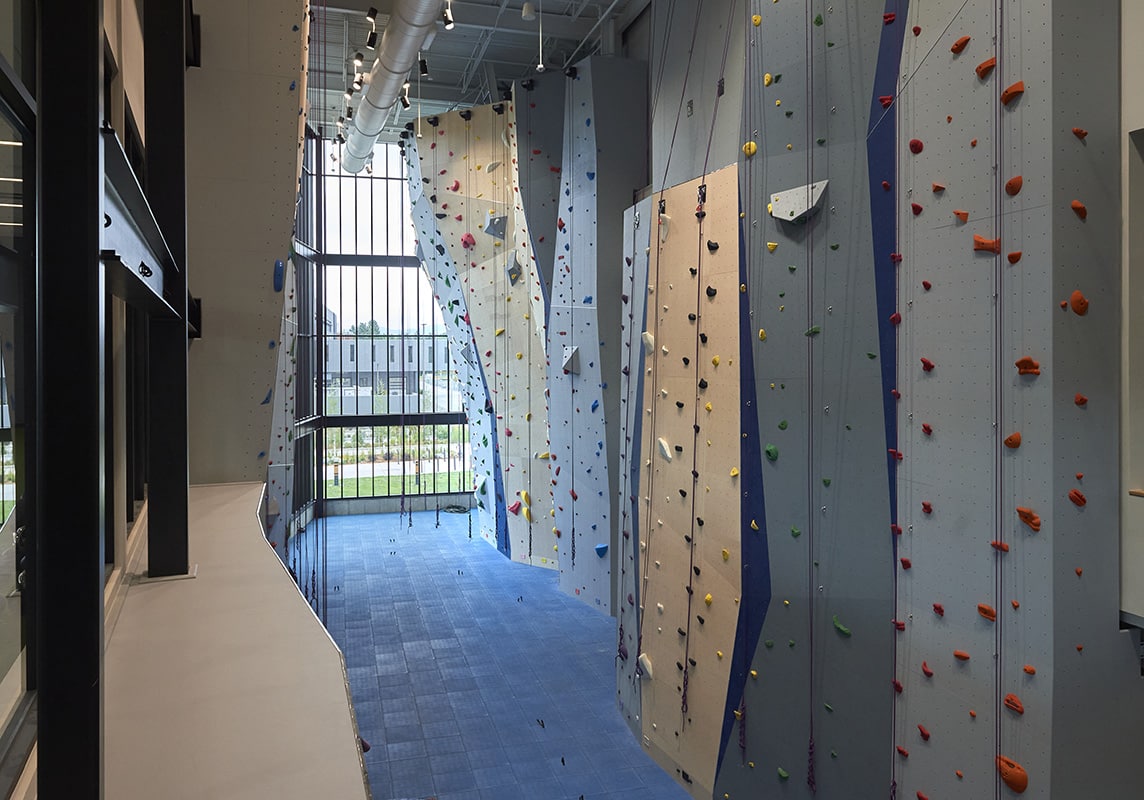
With more than 80 years in business and a deep portfolio of work on the MSU campus, Morrison-Maierle brought both technical strength and institutional knowledge to this project. We’ve helped design and engineer a range of campus facilities—from academic buildings to utility infrastructure—and we understand MSU’s standards, processes, and operational priorities.
This insight proved invaluable during a complex project that required:
Our multidisciplinary team was involved from day one, assessing existing buildings and systems post-gym collapse, helping design and engineer temporary gym domes, modeling complex systems in 3D, and navigating pandemic-era design coordination. We brought flexibility, experience, and technical depth to help MSU turn a challenging situation into an asset for students and staff alike.
With the updated building, students can access inclusive wellness resources that contribute to their overall health and well-being for years to come.
Learn more about our education projects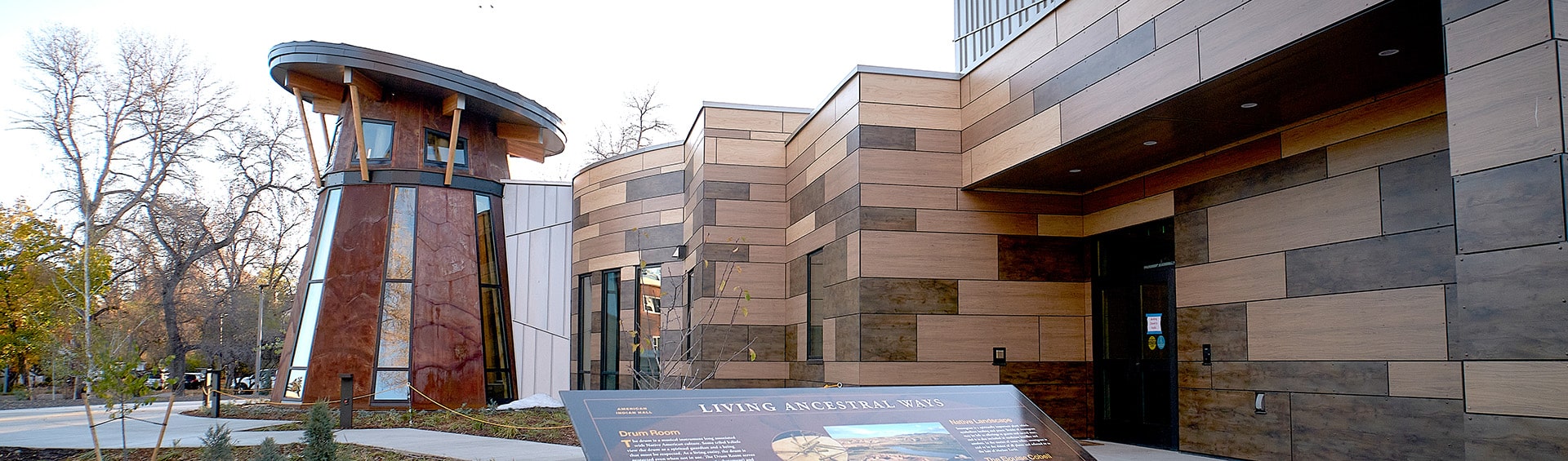
Montana State University’s 38,000 sq. ft. American Indian Hall (AIH) opened in October 2021 and now serves more than 800 Native American and Alaska Native students enrolled at the university.
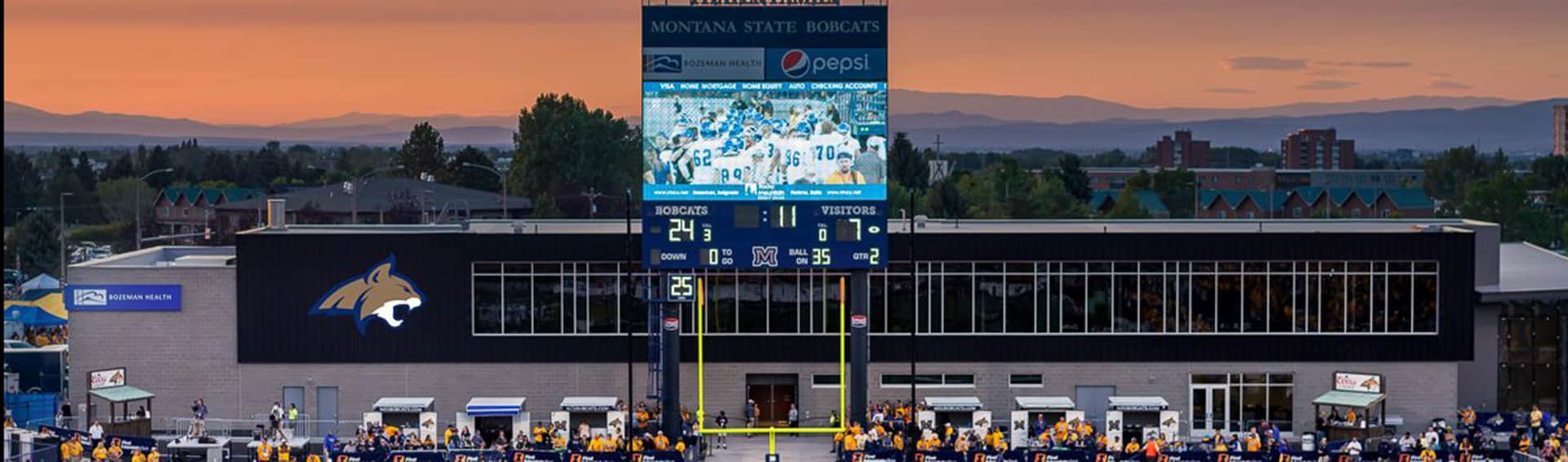
The Bobcat Athletic Complex is a 40,000 sq. ft. facility next to Montana State University's football stadium that supports the university's athletes and coaching staff.
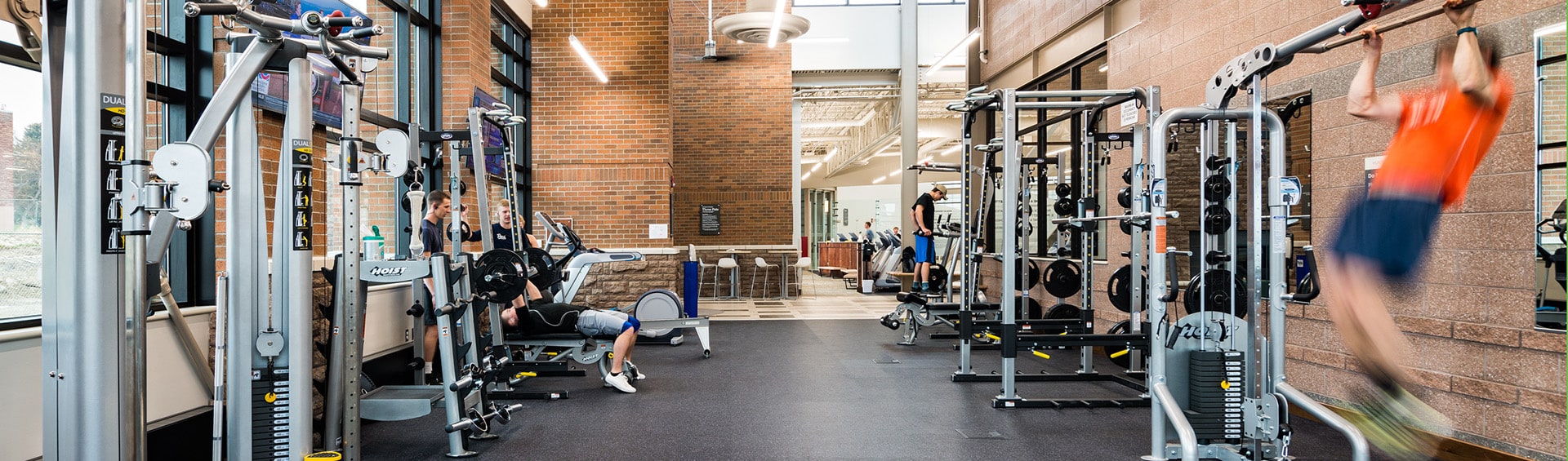
Caroll College’s Hunthausen Activity Center (HAC) is a campus-based PE center for non-varsity athletic use in Helena, Montana. It is the first energy-efficient building on campus.

The MSU Football Stadium End Zone Addition increased the stadium capacity by 5,200 seats, improved the accessibility and pedestrian flow, and provided new restrooms, concessions, and locker rooms.
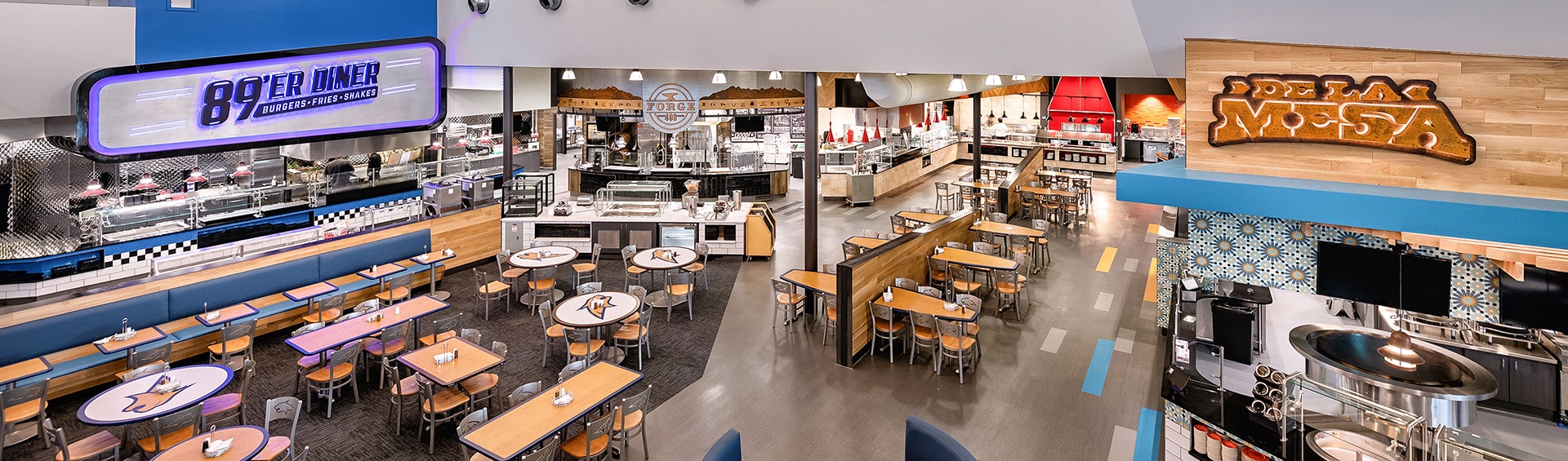
The Rendezvous Dining Pavilion on the MSU campus is an $18.5 million facility designed to address campus growth and create an environment that makes students and staff want to stay on campus.
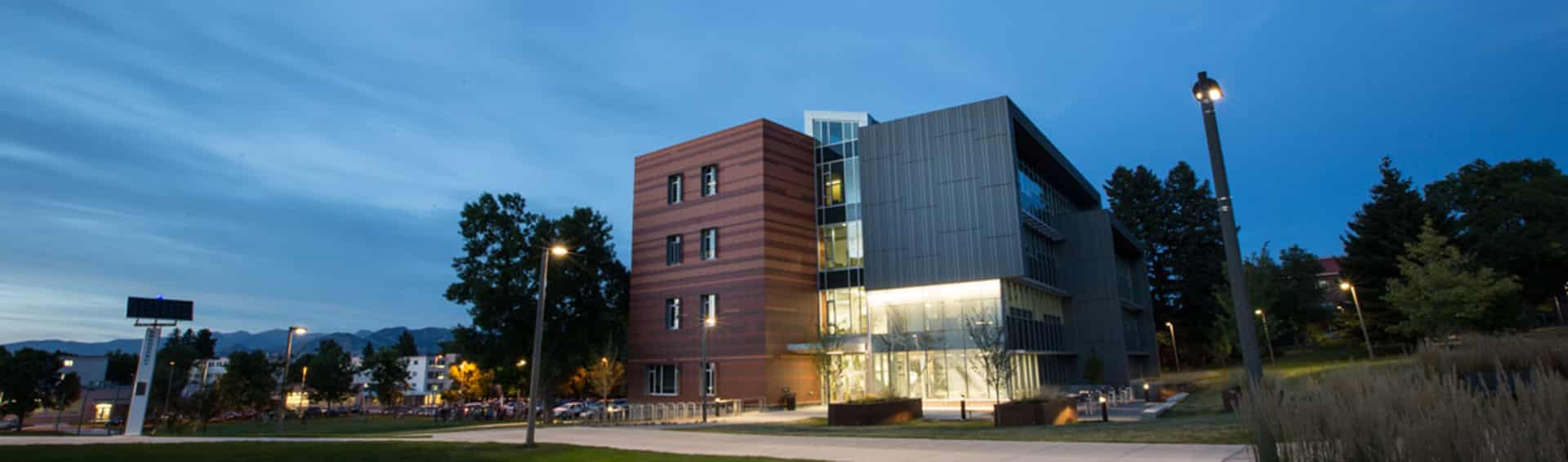
The Jake Jabs College of Business at Montana State University is an energy-efficient, four-story, 55,000 sq. ft. structure that provides a place for learning and collaboration for students and faculty

We know that building great communities starts with teams made up of great people. If you’re exploring ways to collaborate and make an impact, join us.
Explore Career Opportunities